





-
My cartSub-total: Subtotal: €1.25

- Dasduino (Arduino-compatible)

- Inkplate

- easyC ecosystem

- Raspberry Pi & Micro:bit

- Breadboards & Cables

- Batteries & Power supplies

- Kids

- Sensors

- Actuators

- Communication

- Tools & Lab equipment

- Soldering kits

- Components

- Sale

Shop

24/7 free customer and technical support

Comprehensive documentation

Open-source hardware and software

2-year Warranty - no questions asked
Showing 433–456 of 699 resultsSorted by latest
Coming soon
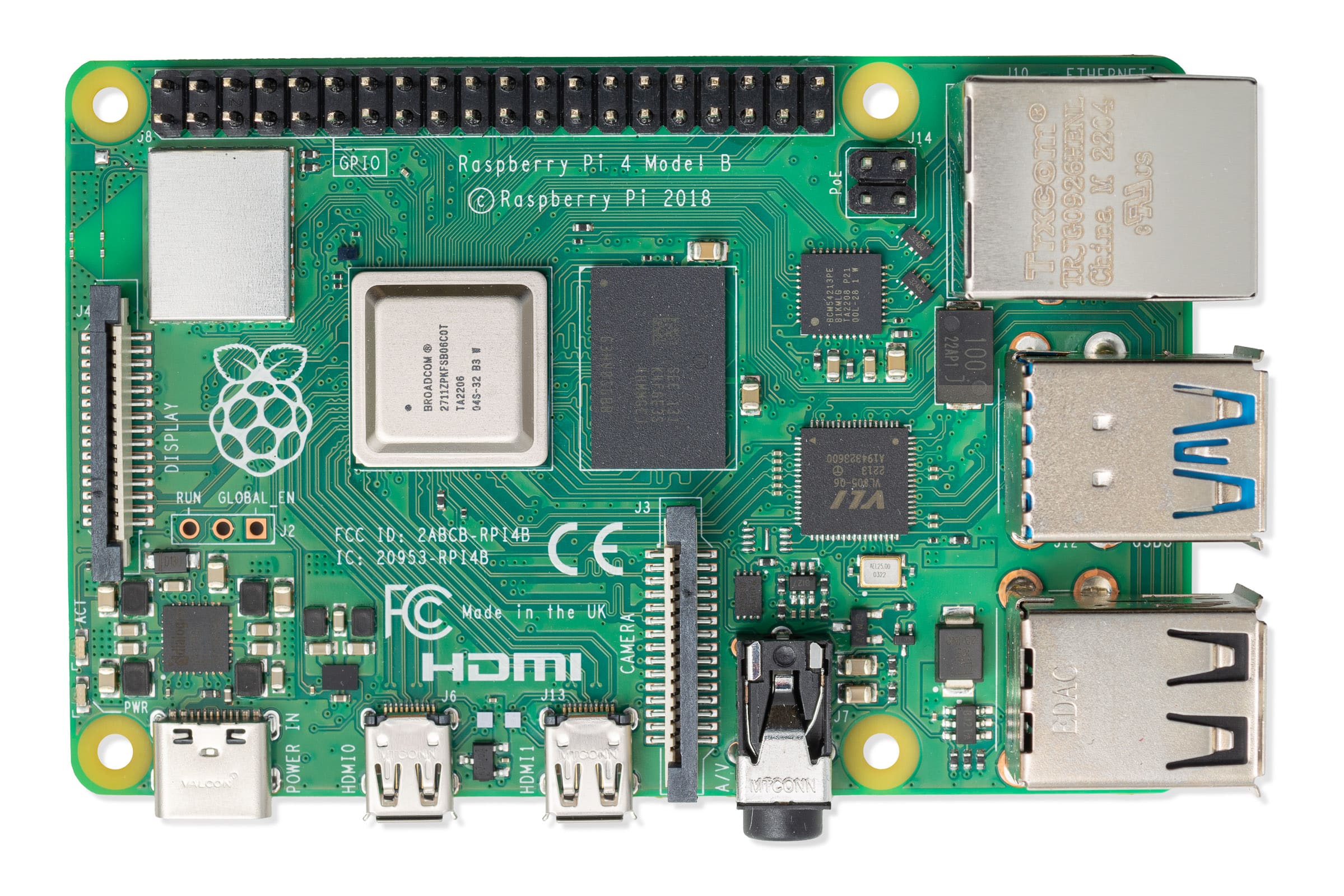
Raspberry Pi 4 B 2GB
A new and more powerful Raspberry Pi 4 is here! The most famous little computer in the world that doesn’t need any introduction. The 87 x 58mm board features a 64-bit 4-core processor clocked at 1.5GHz, 2GB of RAM, WiFi and Bluetooth, Gigabit Ethernet, 2x HDMI output, 4 USB ports, an SD card slot for system sotrage and your data. One should not forget the well-known Raspberry Pi GPIO, which allows you to connect various accessories directly to the Raspberry Pi.
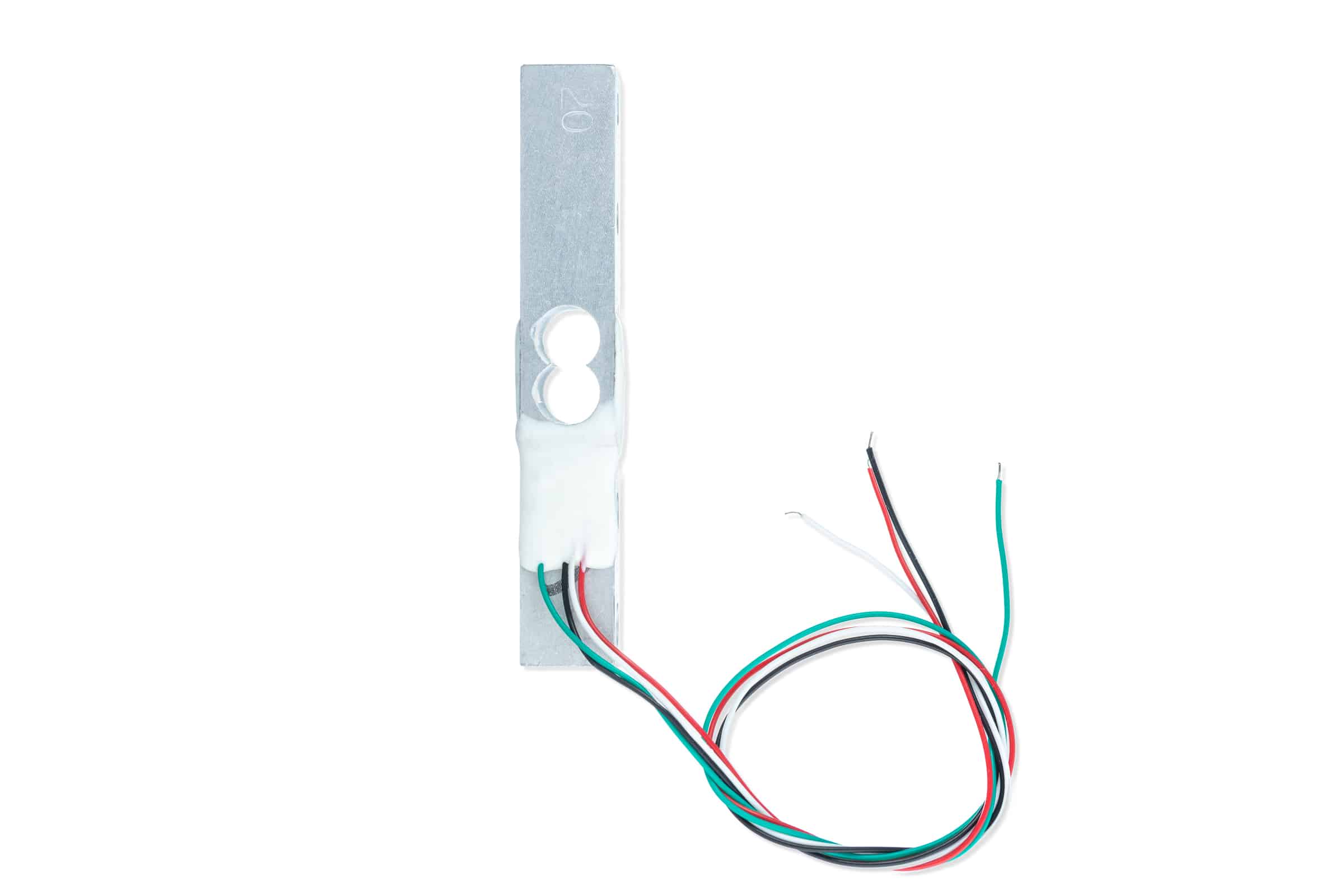
Load cell module high-precision 20kg
Load cell is a small device that is able to weigh the load on it. Due to the load, it provides very small output voltages that need to be amplified (eg using op-amp or ADC with a built-in op-amp) to find the use for the module. It incorporates two invariable two variable resistors connected to the Wheatstone Bridge. This sensor is made from high-quality materials, so it does not get affected by high temperature or continous load. You need to connect it with the HX711 to read information with Croduino.
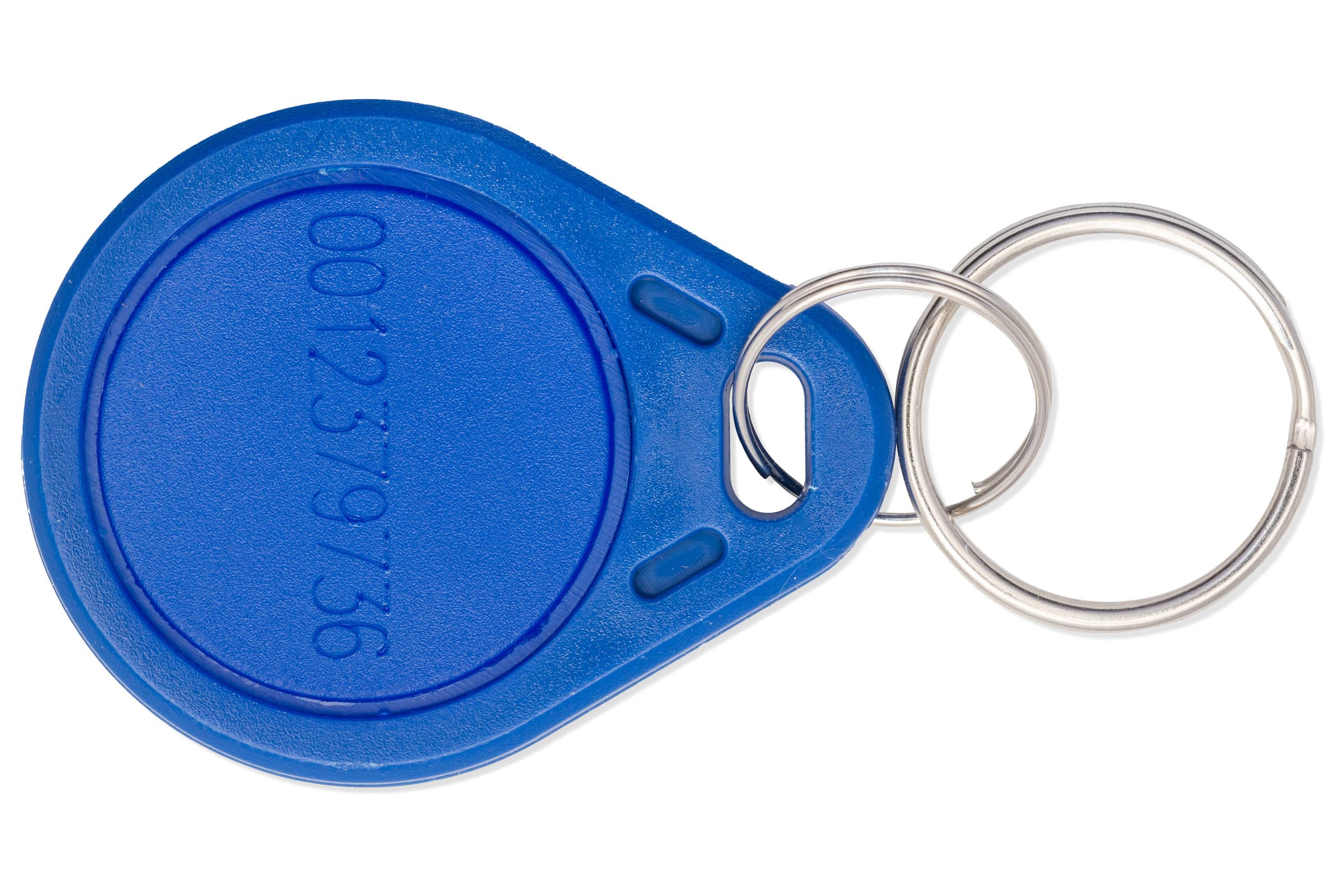
RFID tag
Additional passive RFID tag for use with our RFID readers. It si practical as key ring.
RFID tag comes in two variants, 125kHz or 13.56MHz.
Coming soon
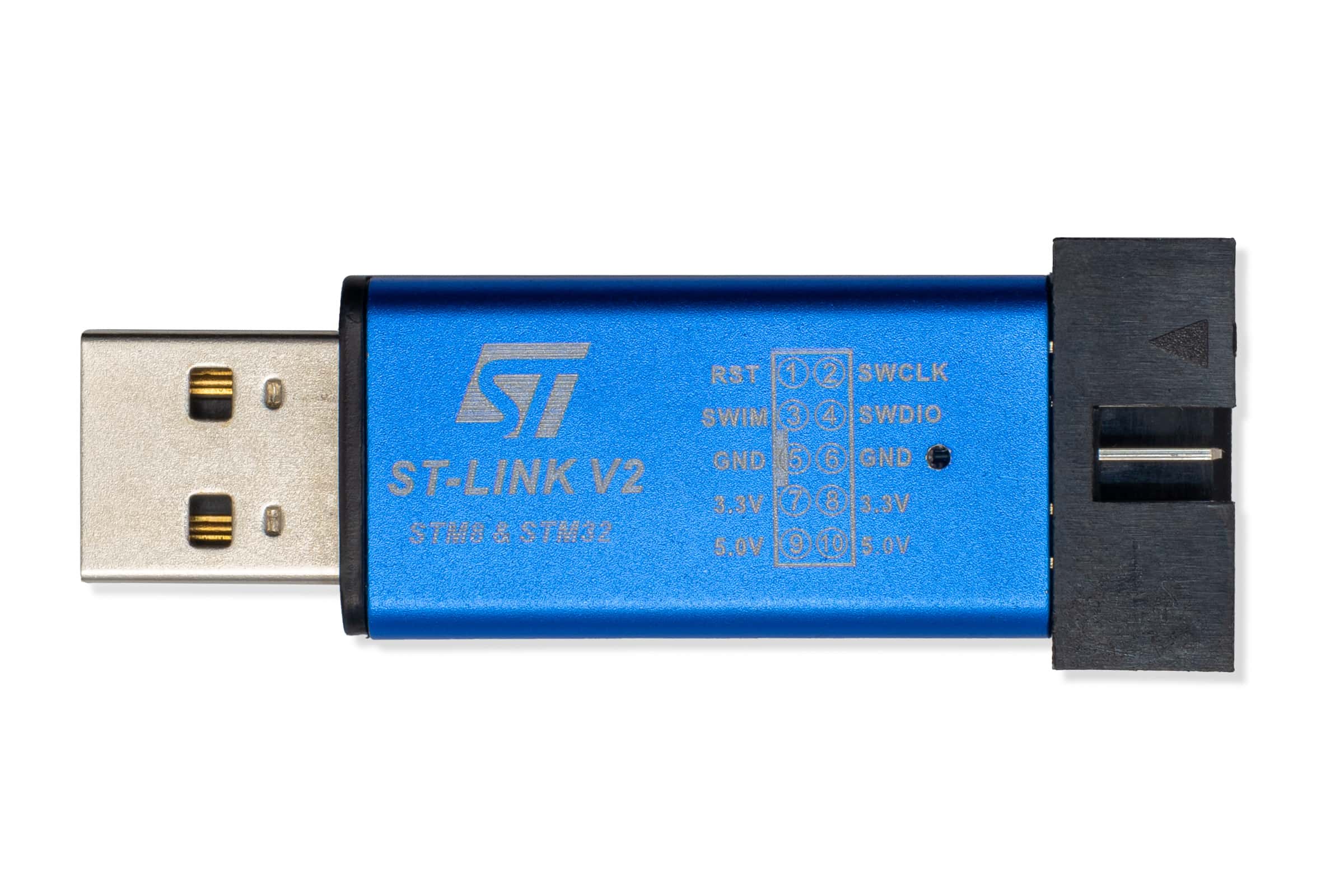
STlink v2 programmer
STLink standardly is known programmer for STM microcontrollers. Works with a whole specter of tools for STM, including mbed, Atollic Studio, Arduino IDE etc.
Coming soon

Tubed soldermask, black
Soldermask is a layer on a printed circuit board that gives it a color, usually green, and is used to protect the tile from corrosion, easier soldering and visual appearance. This soldermask is in a liquid state, so you can easily apply it to places you want to protect further, such as wires that have been added or lines that have been damaged. It enters the solid state under UV light.
Coming soon

Vernier caliper
A vernier caliper is a tool that allows precise measurements of many physical dimensions. This one, made of high-strength stainless steel and with a digital display of the measured value.
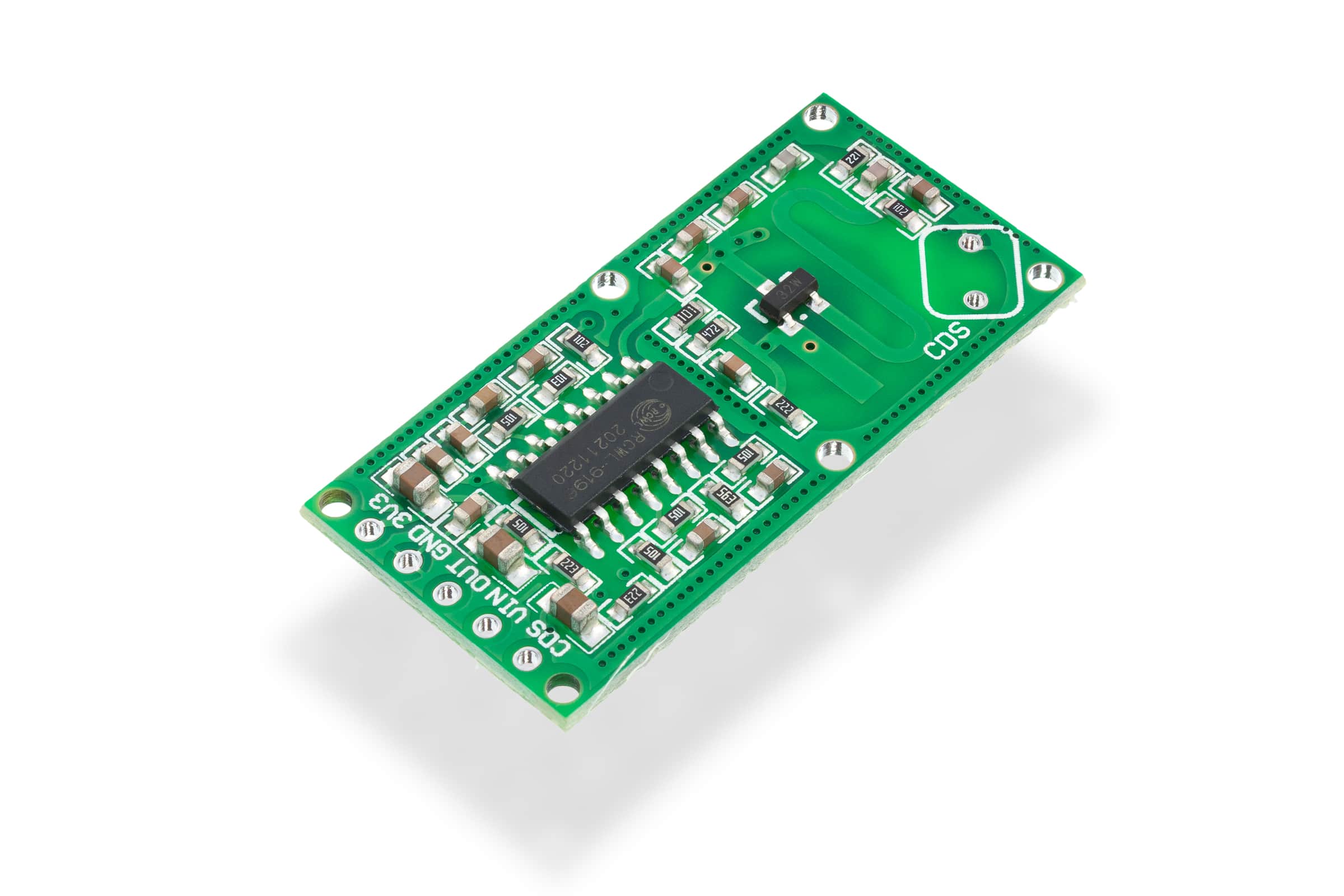
Microwave motion sensor
This motion sensor uses microwaves, based on the radar doppler effect, to detect warm bodies in motion. Therefore, it can be used as an alternative to the PIR sensor, the advantage being that it does not require optical visibility as a PIR sensor, and the disadvantage is that it detects objects at a smaller distance from the PIR.
• Approximate frequency: 3.181GHz
• Input voltage: 4.0V – 28.0V
• Output voltage: 3.3V
• Dimensions: 36 x 17.3 mm
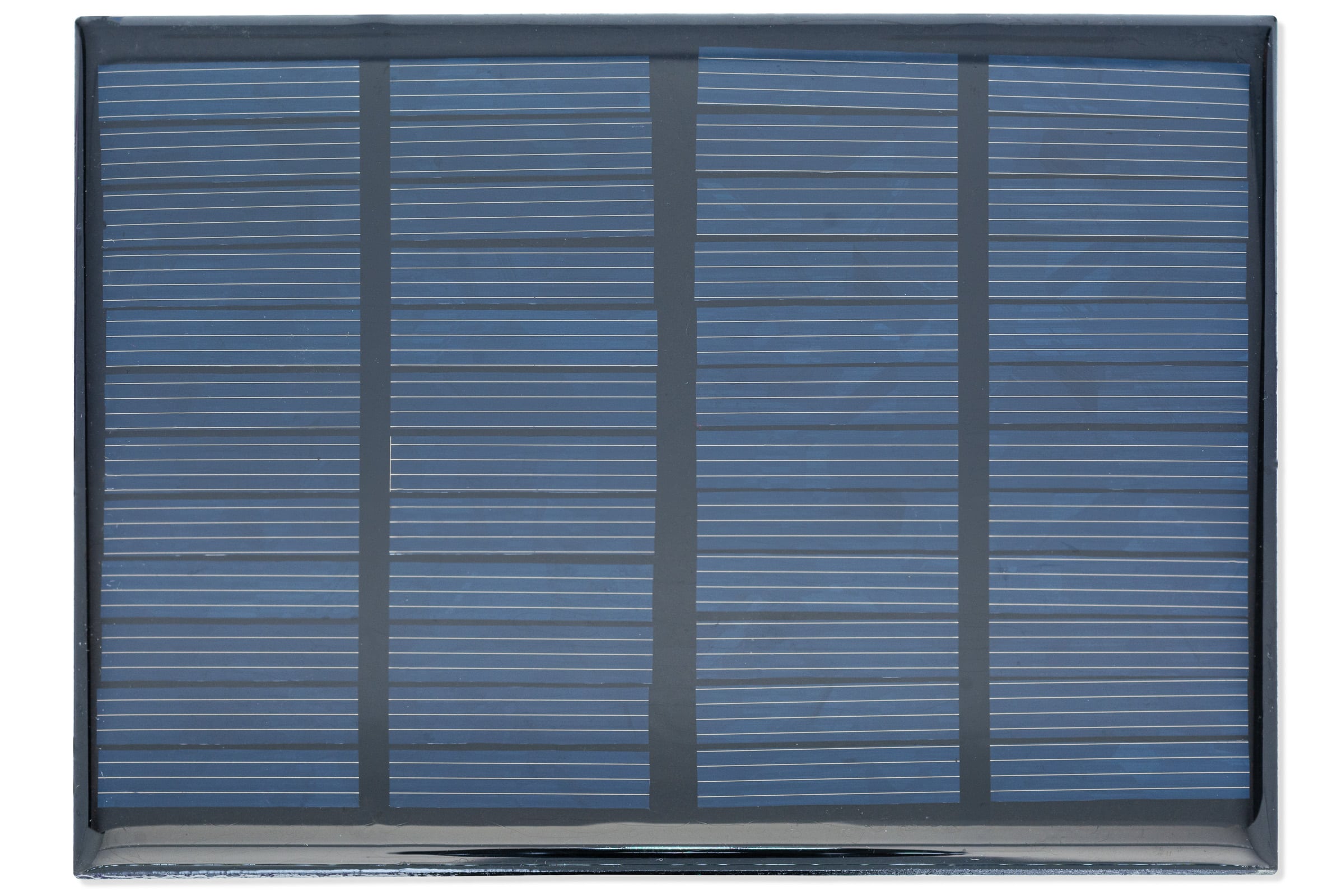
Solar panel 1.5W 12V
The Solar Panel 1.5W 12V offers a compact, reliable solution for charging batteries and powering low-consumption electronics in off-grid applications. Designed to convert sunlight into electricity, it’s ideal for remote installations like weather stations, agricultural sensors, or small IoT devices. Its durable construction ensures consistent performance in varying environmental conditions.
Delivering 12V open-circuit voltage (Voc) and ~9V under load, the panel provides a maximum current of 166mA, compatible with standard 12V charge controllers and batteries. The laminated monocrystalline cells and pre-attached leads simplify installation, while its small footprint allows flexible mounting.
Perfect for keeping 12V batteries topped up or powering microcontroller-based projects, this panel supports energy-independent operation. Note: this panel should be used with a suitable charging controller (e.g., an MPPT charger) and not connected directly to a battery.
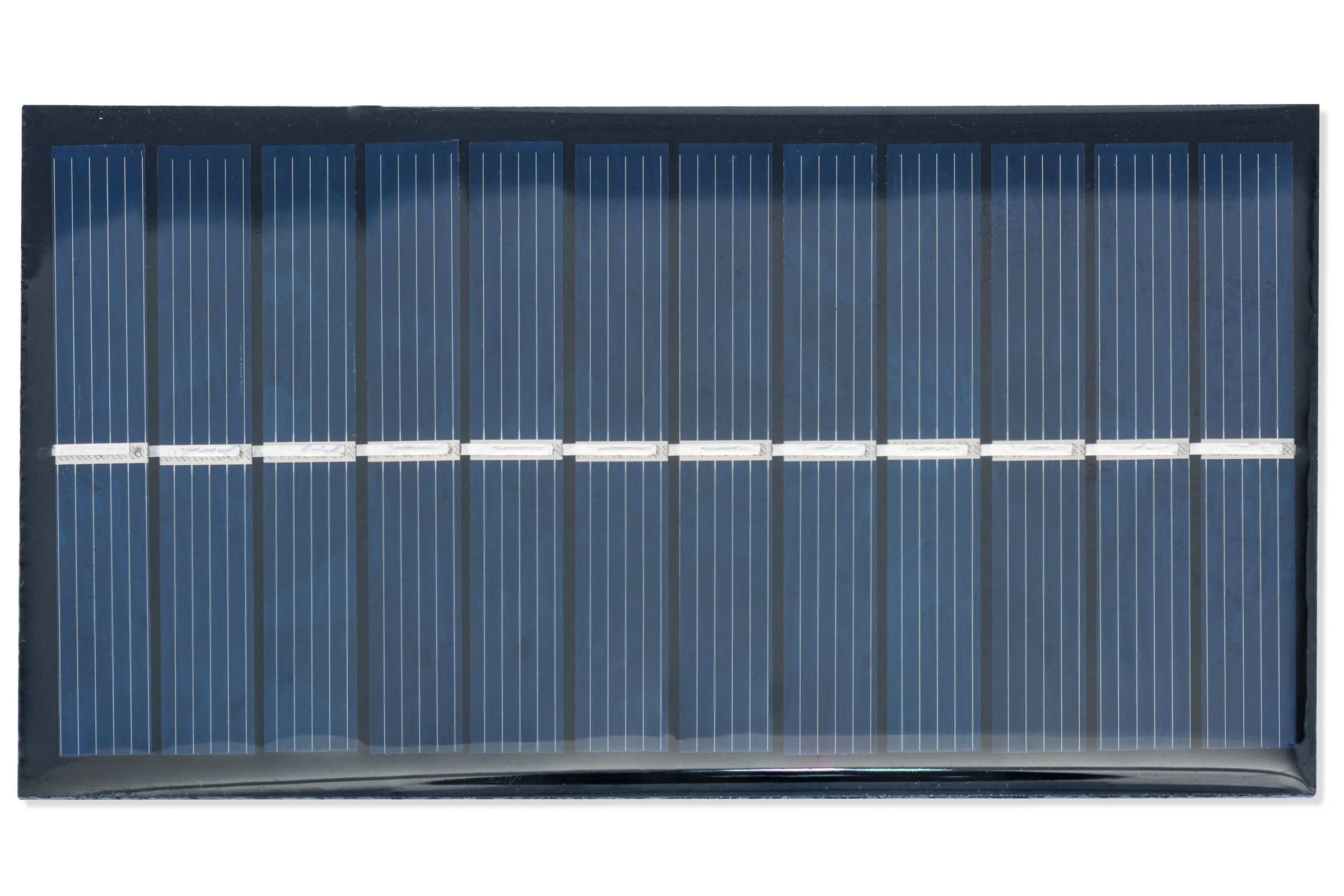
Solar panel 1W 6V
A small solar panel that will keep your Internet of Things alive for a very long time, but also for many other projects. It has waterproof silicone to protect the panel from water and sunlight.
Coming soon

Plastic platform (two wheels) for robotic projects
Plastic platform with slots for two mountable wheels and two DC motors. Because it’s easy to assemble, it’s great for various hobby and school (robotic) projects. There are many more slots on the platform for various position and distance sensors, LEDs, batteries and controllers.
• Material: plastic, transparent
• Type: for two wheels
• Contents: one plastic platform
• Needs to be added: two wheels with DC motors
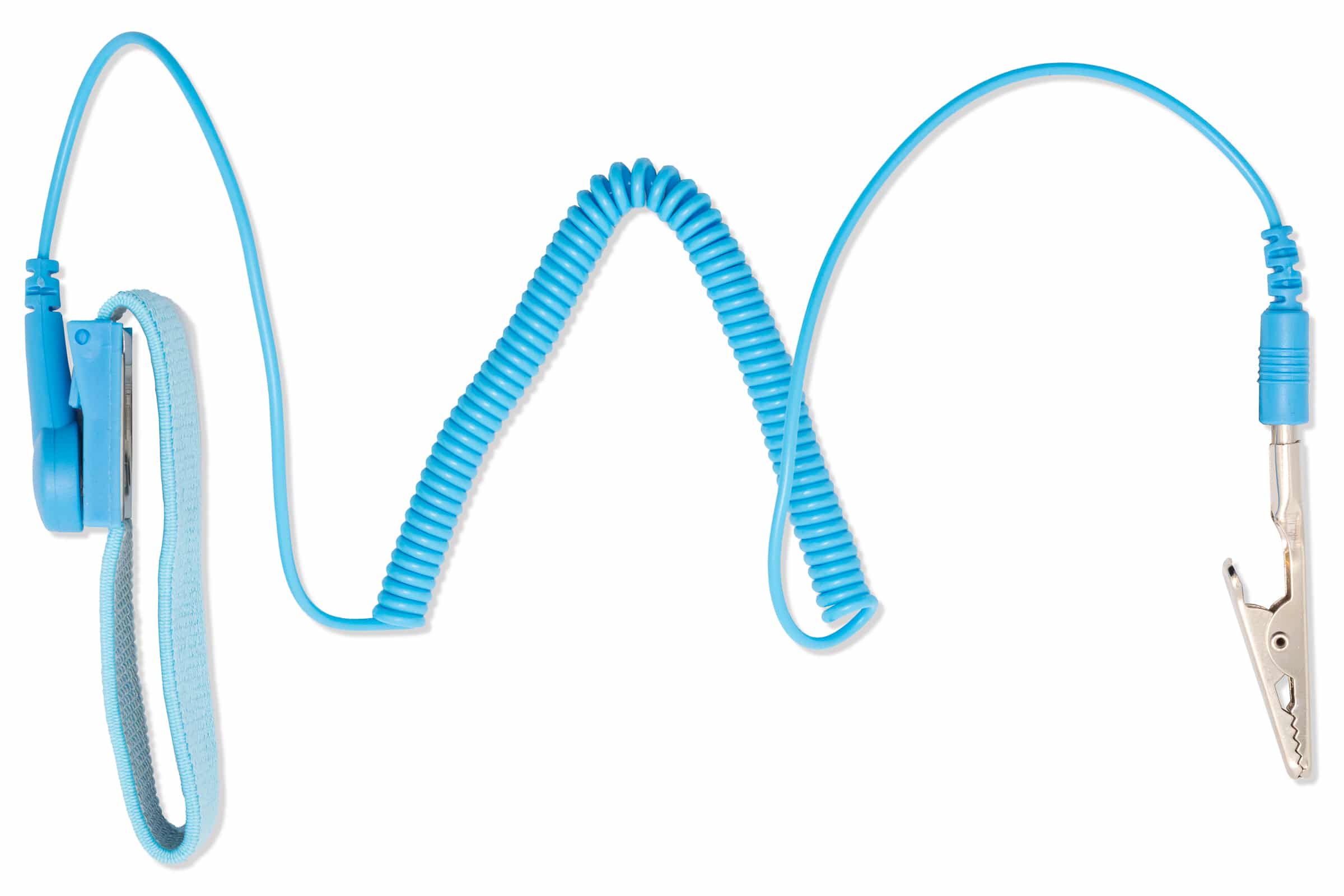
ESD antistatic bracelet
ESD (ElectroStatic Discharge) or static electricity is a phenomenon where electricity flows suddenly between two electrically charged objects that are in touch or near each other. You experienced it, most likely, when you touched something and felt “current” hurting you. Other than being unpleasant, there are no major consequences caused by ESD. But in electronics, ESD is very dangerous and can destroy your components and semiconductors.
This is where antistatic bracelet helps. If its other end is properly terminated to ground, it means that you are too. Through the 1M resistor, current flows to ground where it safely “goes” without being felt, and there won’t be any damage to components. It is always recommended to wear an anti-tatic bracelet whilte working with electronics.
11 years in the industry
Customers in 80+ countries
20,000+ satisfied customers