






- Dasduino (Arduino-compatible)

- Inkplate

- easyC ecosystem

- Raspberry Pi & Micro:bit

- Breadboards & Cables

- Batteries & Power supplies

- Kids

- Sensors

- Actuators

- Communication

- Tools & Lab equipment

- Soldering kits

- Components

- Sale

Shop

24/7 free customer and technical support

Comprehensive documentation

Open-source hardware and software

2-year Warranty - no questions asked
Showing 649–672 of 699 resultsSorted by latest
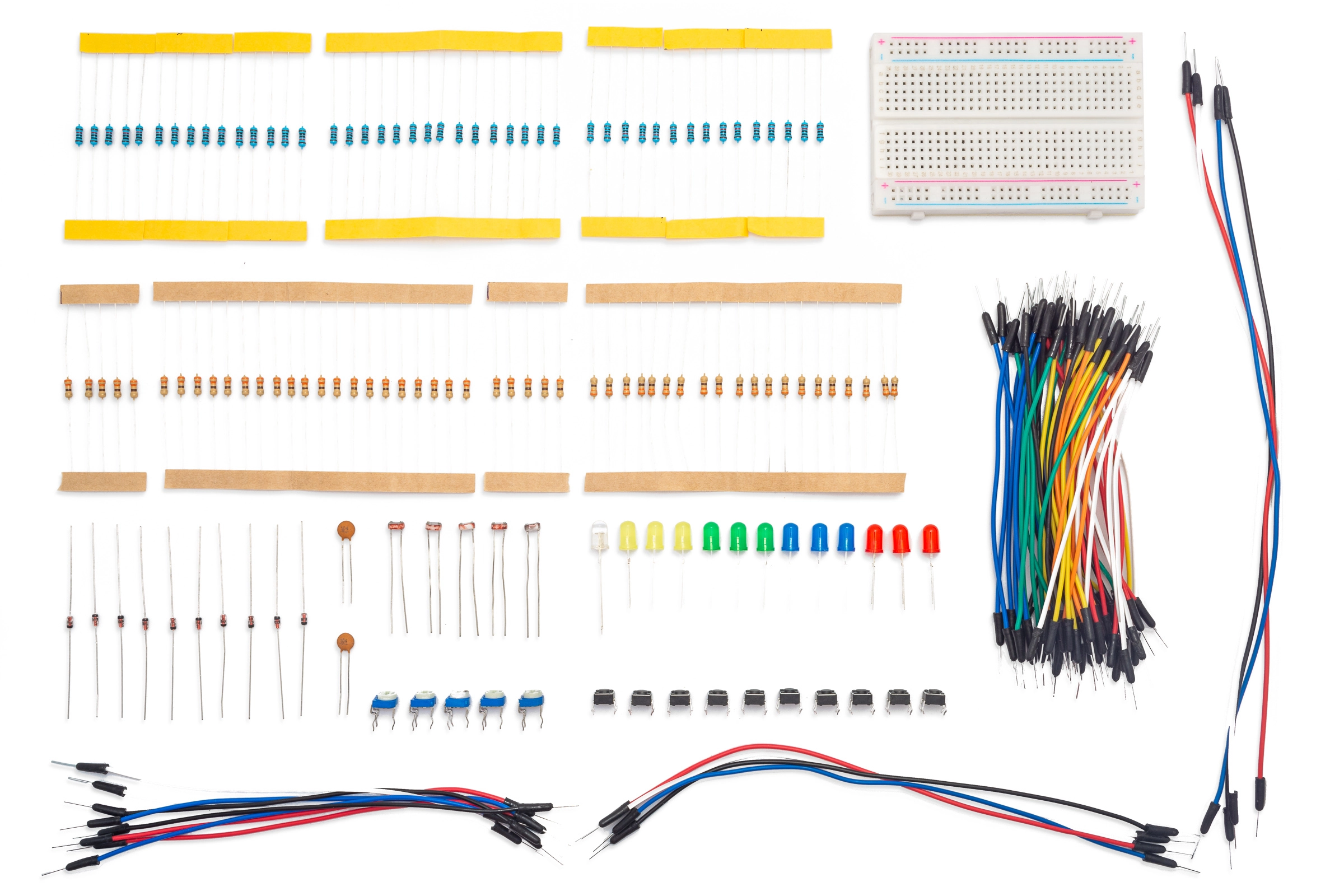
Dasduino beginner kit REFILL
If you usually do big projects or put on workshops, you know that there’s never enough of some components. Therefore, we’ve put together this set of wires, resistors and other primary components to make your everyday work or education much easier.
This set consists of:
- Breadboard
- Set of cables for breadboard
- 50x 330ohm resistor
- 45x 10k resistor
- 10x 2n2222 transistor
- 10x 1n4148 diode
- 5x photoresistor
- 10x pushbutton
- 5x potentiometer 10k
- 2x 100nF ceramic capacitor
- 5mm RGB LED diode
- 3x 5mm blue LED diode
- 3x 5mm red LED diode
- 3x 5mm yellow LED diode
- 3x 5mm green LED diode
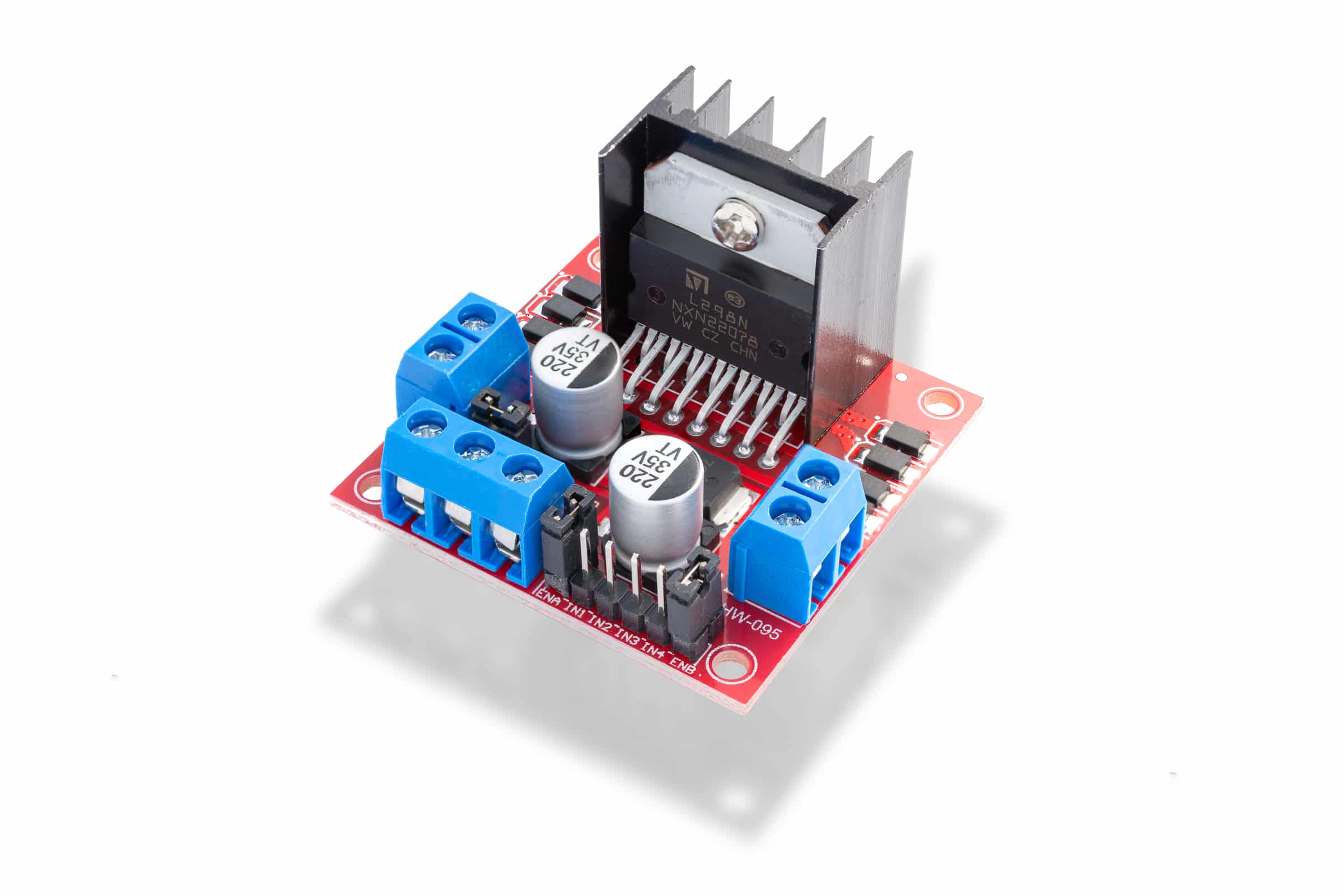
DC Motor Driver Dual H-Bridge L298N
H bridge supports an exchange of polarities on its outputs and therefore enables control of motor spins in both directions in a very simple way. It can also direct other devices that for certain usage require the exchange of polarities on their inputs.

Atmega328P SMD microcontroller
Well known and popular 8-bit Atmel microcontroller which is used on the majority of modern Arduino boards as well as on Dasduino. This one is the SMD version, just as the one on Dasduino, which is used for soldering on PCBs and for usage in projects.

5mm LED diode pack (13 pieces)
5mm diffused LED diodes are great for experimenting and trying new things, which is why they are included in our Dasduino Beginner Kit (DBK)!

Generic N-channel MOSFET DPAK
MOSFET transistor N-channel has ideal characteristics that allow it to connect to Croduino/Arduino. With this transistor, you’re able to control devices that need big amounts of current or voltage – all of that via a microcontroller.
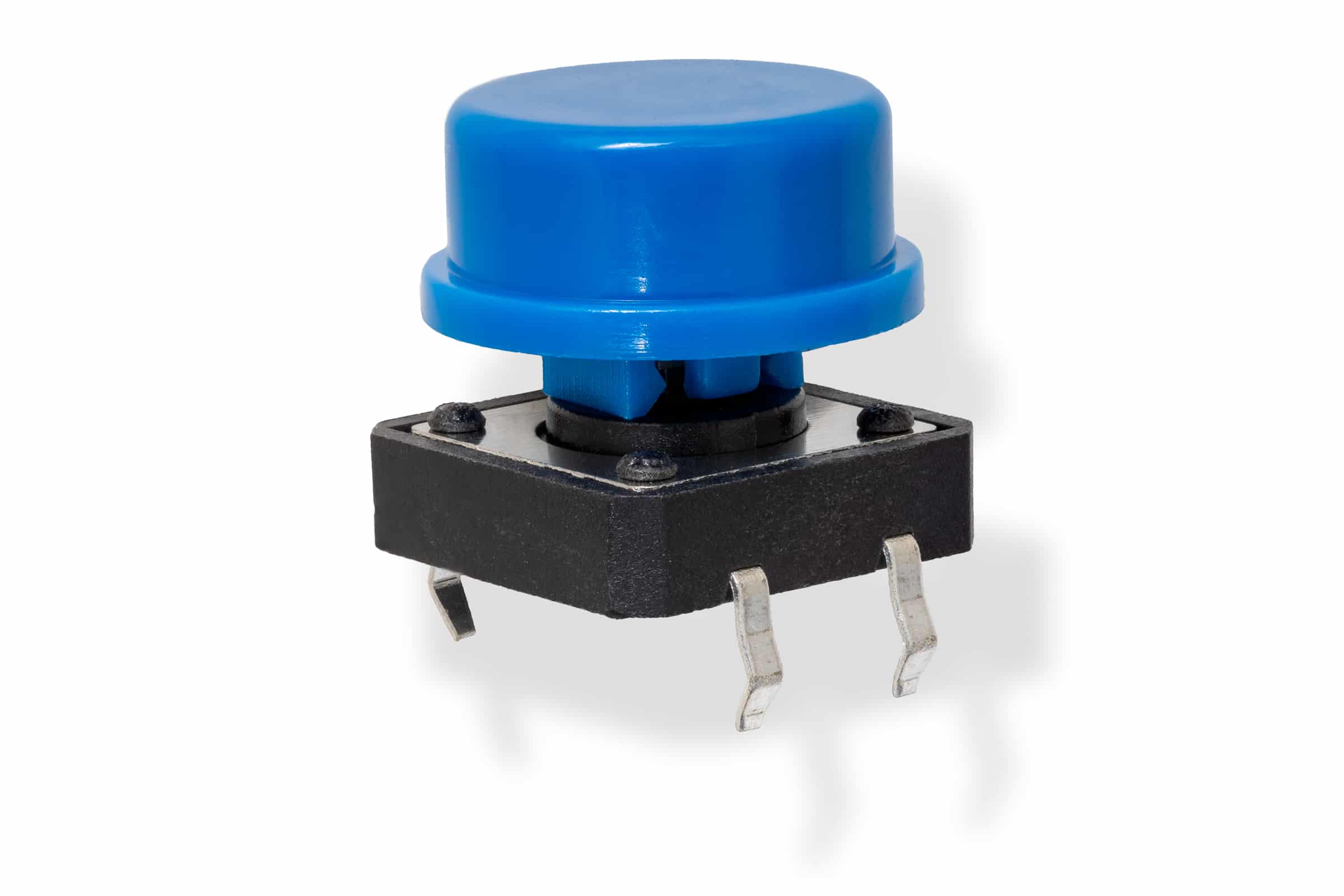
Pushbutton 12mm
Large pushbutton will often be more practical than the small one (classic pushbutton). With dimensions of 12mm x 12mm it can be pushed in the breadboard, but it is also suitable for ordinary drill boards.
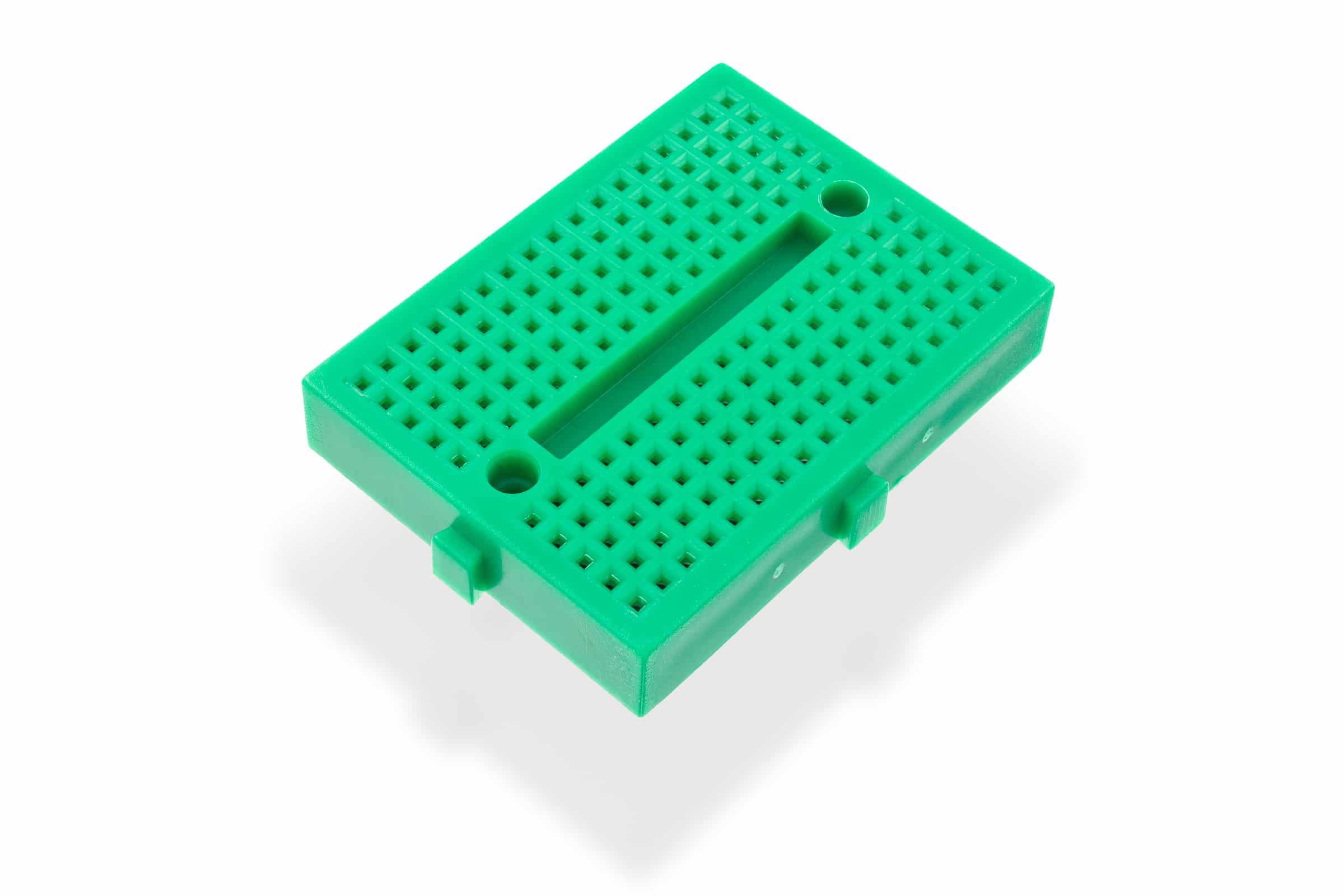
Mini breadboard
Mini breadboard for beginners or for fast prototyping.
The colors on offer are green, blue, red, white and black. We send them out randomly so you could get any of them. If you prefer a specific one, leave a message with your order letting us know which one and we’ll try to fulfill your wish. 🙂

Relay with 5V coil
Relay is a device with enables switching greater loads – ones that require more voltage/current. These relays can be found in our relays breakouts. It has NO and NC pins.
• Current needed for activation (current of Dasduino): 20mA
• Coil voltage: 5V
• Max. DC: 30V, 10A
• Max. AC: 250V, 10A
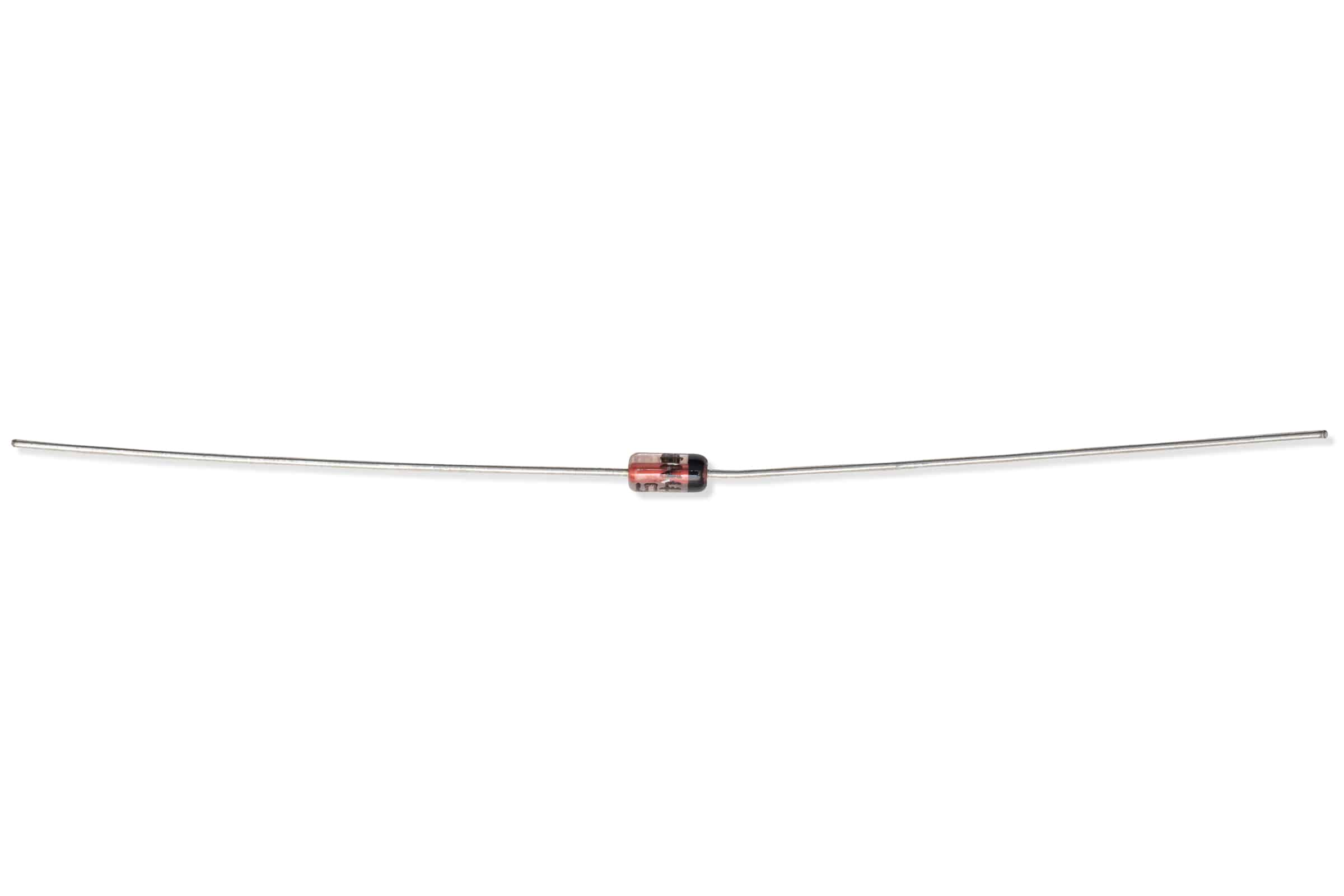
1N4148 diode
This is a pretty ordinary signal diode 1N4148. It is used for signals up to 200mA of current.

Graphic LCD display 128x64 blue
LCD display with one ST7920 controller displays text, symbols or any other characters that are a product of Croduino/Arduino. With an ability to display 128 characters in 64 rows, it will find its usage in many projects that are required to show clear and readable output information.

1N4007 diode
Ordinary and well-known rectifier diode 1N4007. It’s often used for rectification of voltage, protection from the wrong polarity, different projects with breadboard etc.
Max. voltage that this diode can endure is 1000V and max. current it can carry out is 30A.
Coming soon
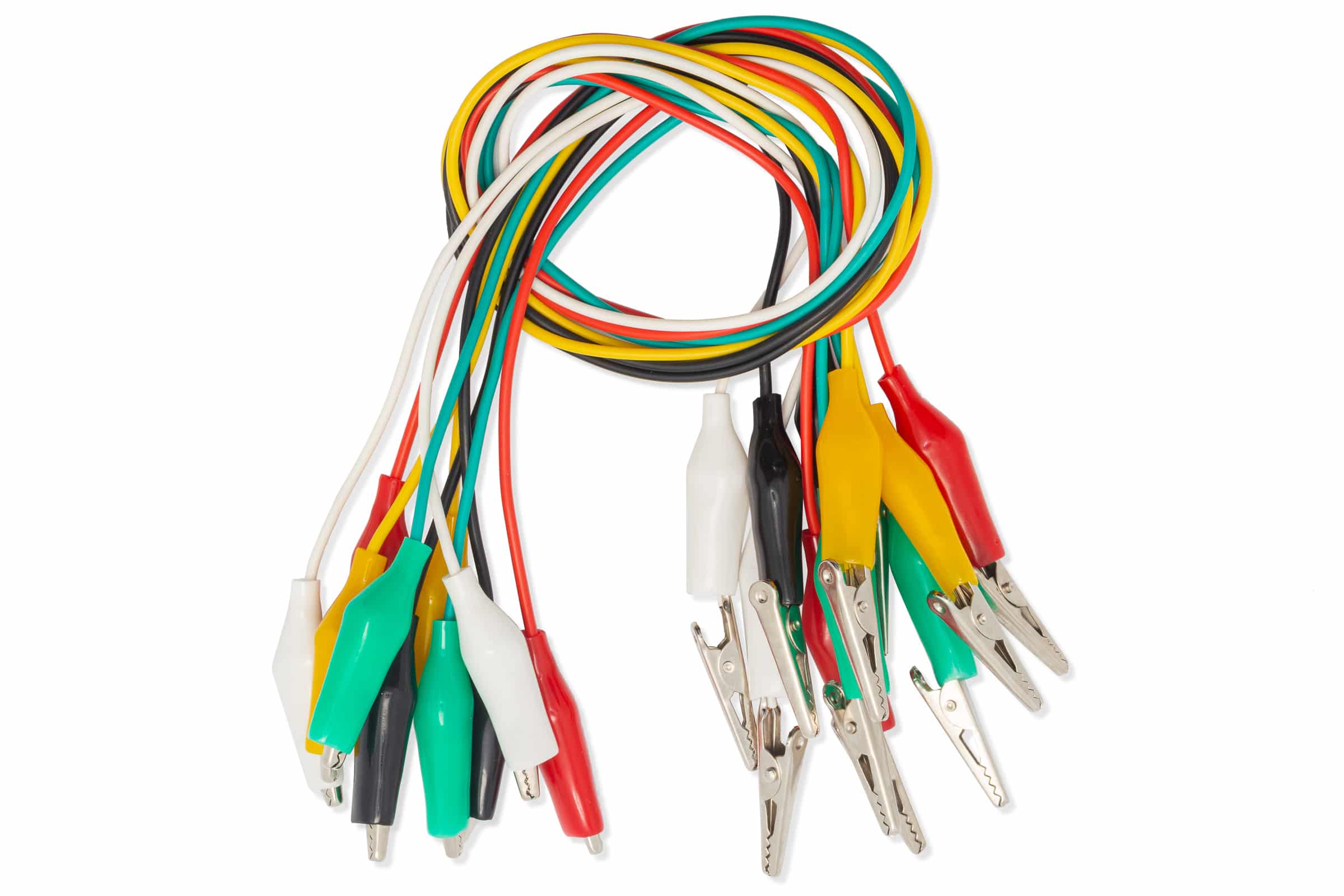
10x cables with aligator clips
This set of cables makes component conjugation when prototyping or testing much faster and easier. Set consists of 10 cables that have alligator connection on each end so you could hook it to any component easily. Moreover, your work will be even simpler because of different cable colors in the set.

Rotary encoder 20mm with pushbutton
A rotary encoder can be rotated endlessly – it has no end. That’s the main difference between it and the potentiometer and the reason why it’s more suitable for usage in certain applications. Its output (rotation outcome) is written in gray code, therefore you’ll need a microcontroller in order to use it.
It also has inbuilt pushbutton which makes it suitable for different selections.
Coming soon
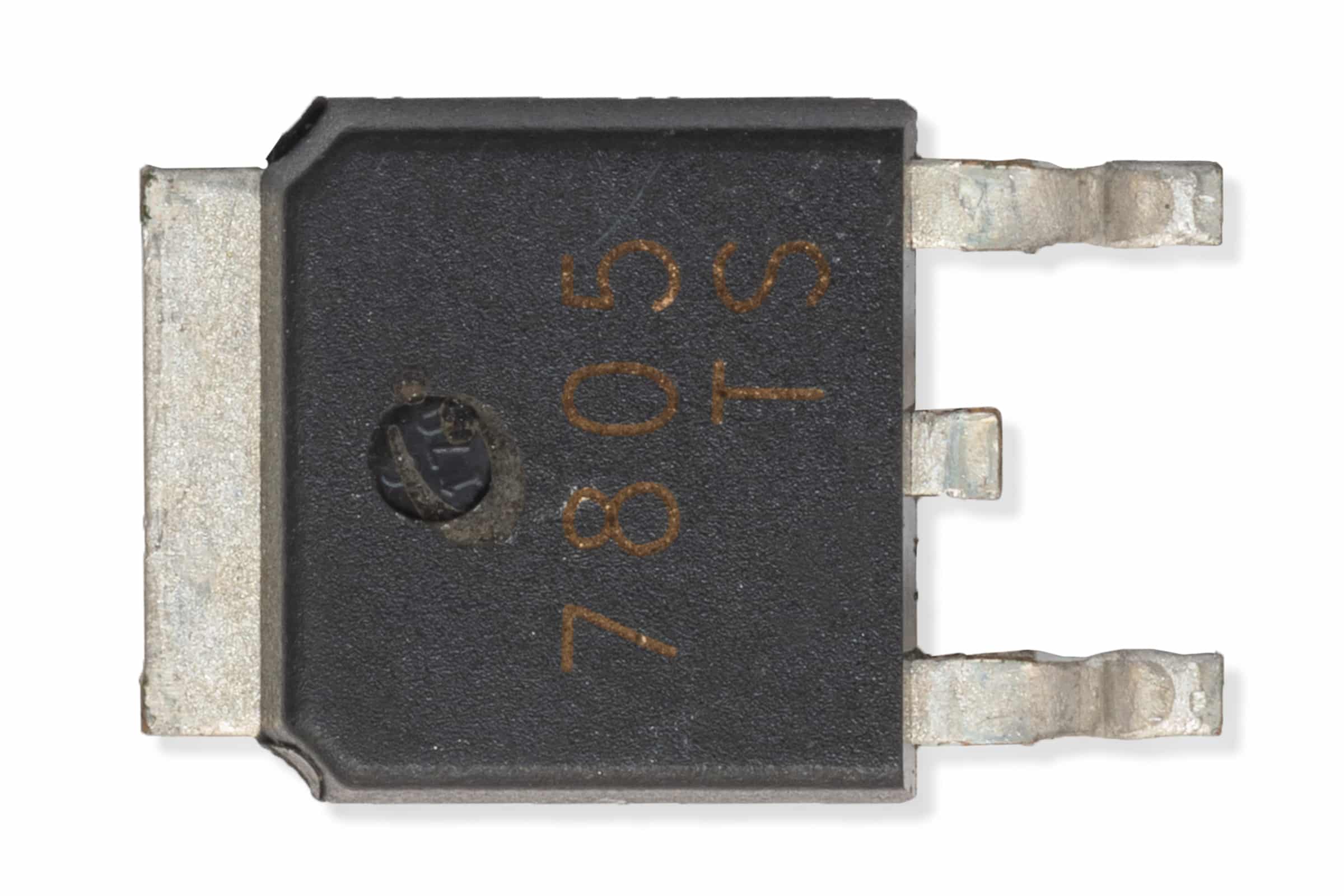
Generic 5V voltage regulator DPAK SMD
78m05, often used 5V linear regulator in DPAK SMD package.

LCD display 20x4 blue/white
LCD display with HD44780 controller enables showing text, symbols, value or anything else that comes from Croduino/Arduino. It is capable of showing 20 symbols in four lines and therefore can be used in many projects that need to send clearly visible and legible output information.
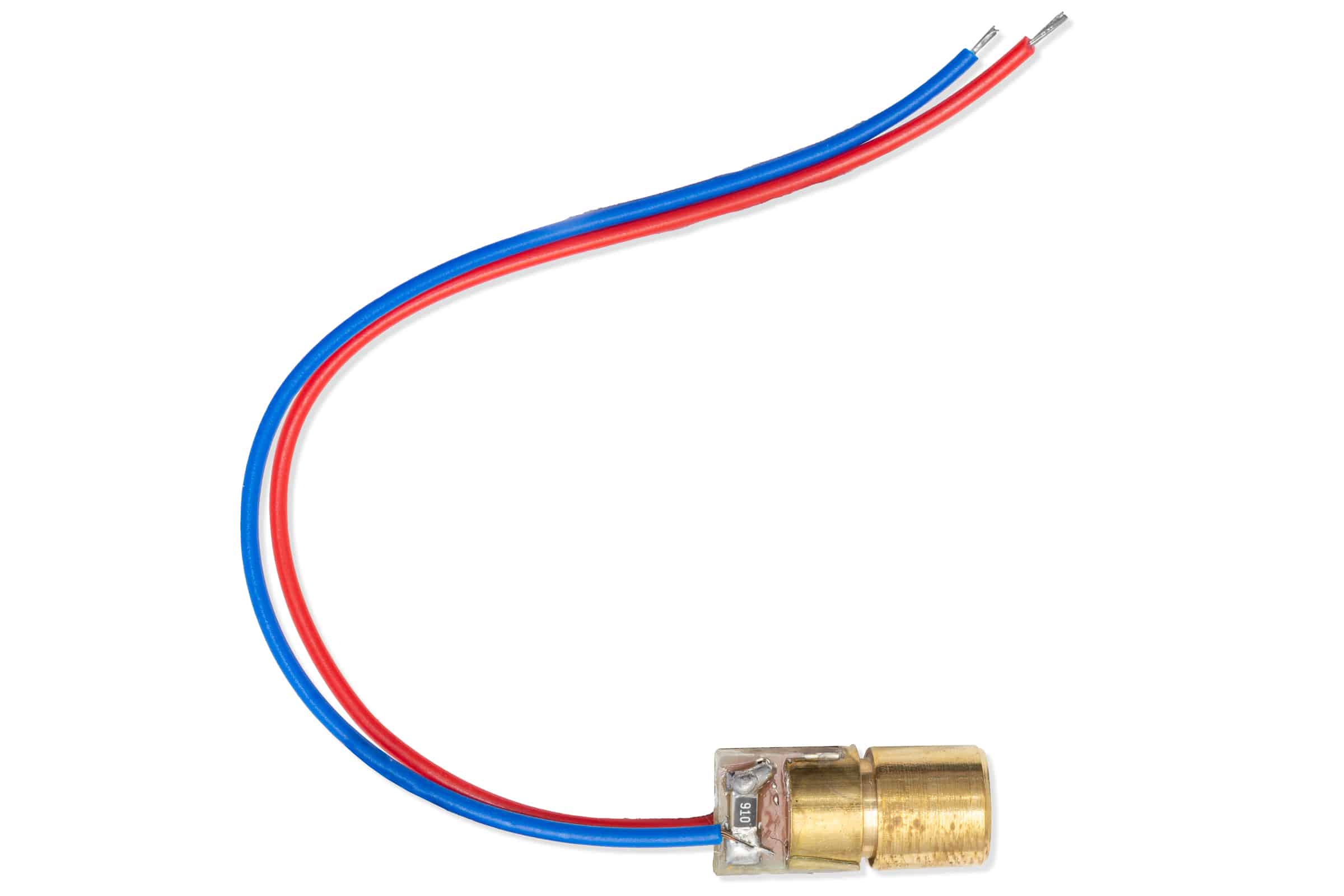
Laser 650nm(red) 5mW 3V
This little laser is capable of showing a small dot on a great distance. You can use it, for example, in combination with a photoresistor to register when somebody has passed through a certain space.
• Wavelength: 650nm (red color)
• Power: 5mW
• Voltage: 3V

Buzzer speaker
In a buzzer speaker, current is run through a coil of wire that produces a magnetic field. The flexible ferromagnetic disc is attracted to the coil when current is flowing through it and returns to a “rest” position when current is not flowing through the coil. The sound from the buzzer speaker is produced by moving a ferromagnetic disc in a similar way to a cone in a speaker.
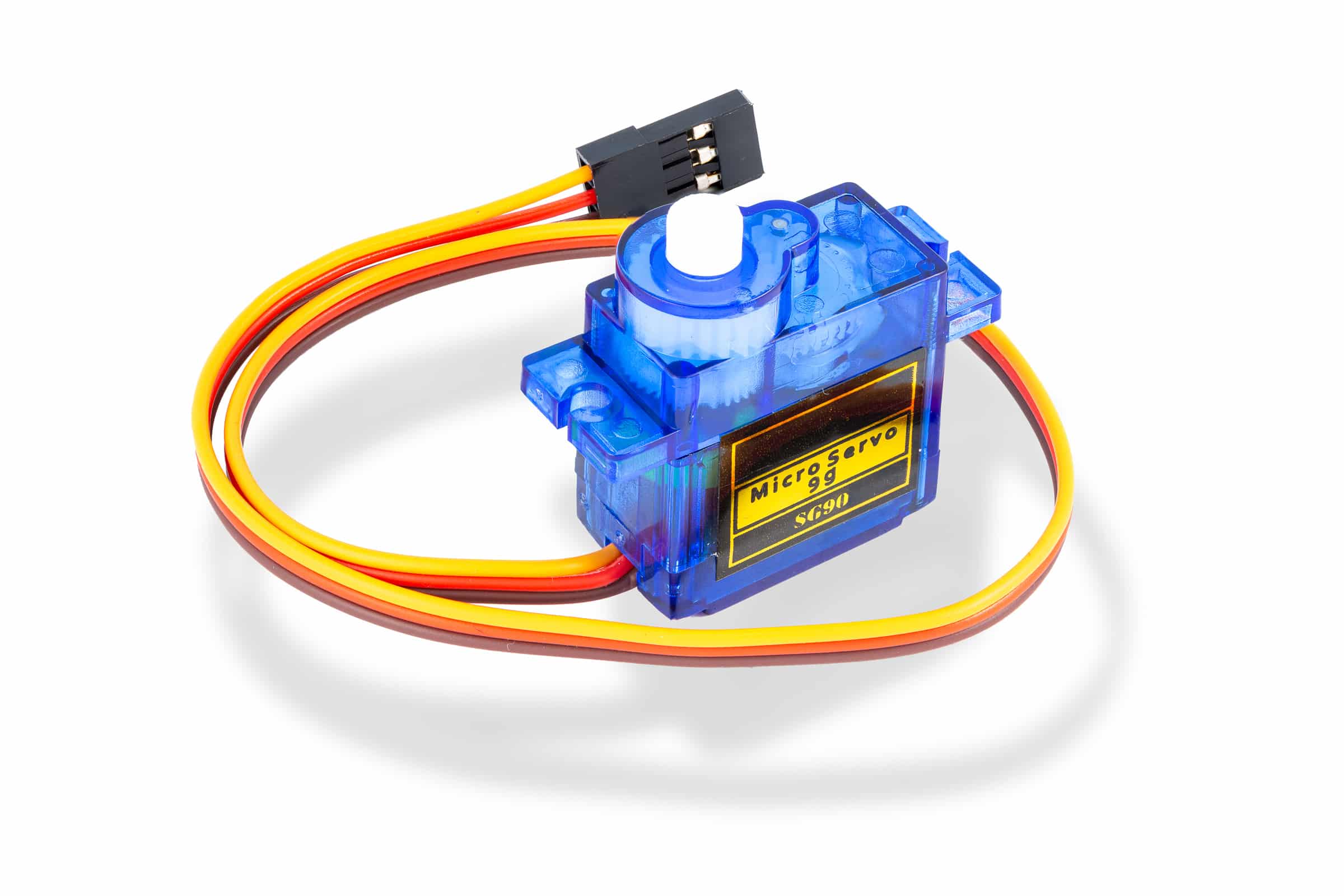
Servo motor TowerPro SG90
The TowerPro SG90 Micro Servo Motor is a highly popular and versatile component, especially favoured by hobbyists and educators for its easy compatibility with Arduino and other microcontrollers. Its compact size and lightweight design make it an ideal choice for projects where space and weight are considerations. With a wide operating voltage range and precise control, the SG90 offers reliable performance for a multitude of small-scale applications, making it an important piece in introductory robotics and electronics kits.
This micro servo excels in various applications, from controlling robotic arms and legs in small humanoid robots to actuating camera gimbals or steering mechanisms in RC cars. Its ability to provide accurate angular positioning within a 180-degree range, combined with its ease of integration, makes it a tool for bringing dynamic movement to static designs. The SG90’s plastic gear train ensures durability for repeated use in educational and experimental environments.
Its widespread adoption has led to a vast community of support, with countless tutorials, code examples, and project ideas available online, particularly for Arduino users. This accessibility, combined with its straightforward wiring and control via standard PWM signals, positions the SG90 as the go-to micro servo for rapid prototyping, educational projects, and small-scale automation tasks.
Coming soon
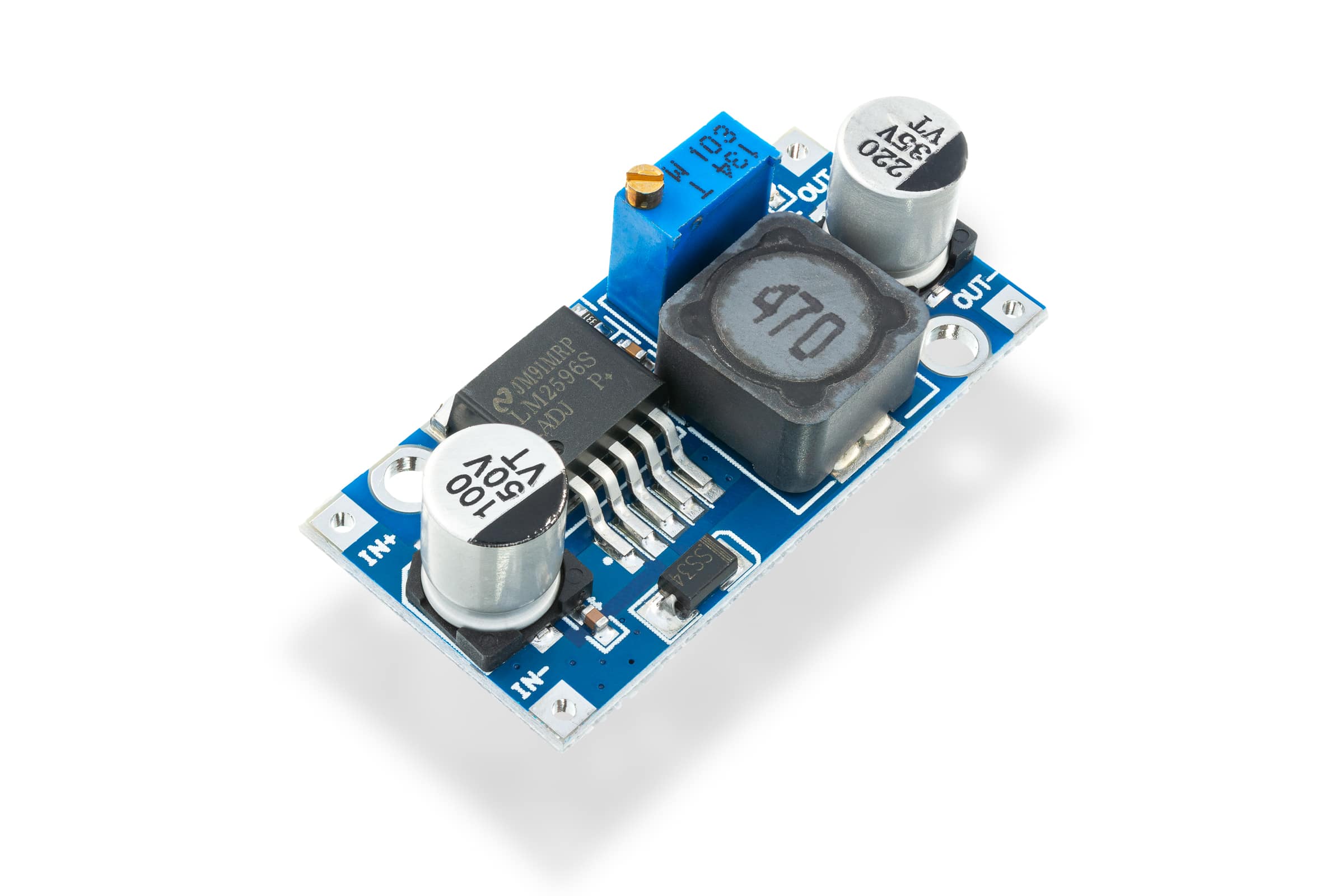
Step-down module with LM2596S
This module lowers the input voltage on the specified output voltage that you adjust through the trimmer on the board. It’s very practical because while changing the input voltage, the output voltage always stays the same. However, the input voltage has to be at least 0.7V higher than the output voltage.
Input voltage is IN+ and IN-, while the output is OUT+ and OUT- . A power supply is able only to bring the voltage down, not up!
It does not have a protective diode in case of the wrong polarity, pay attention while connecting!
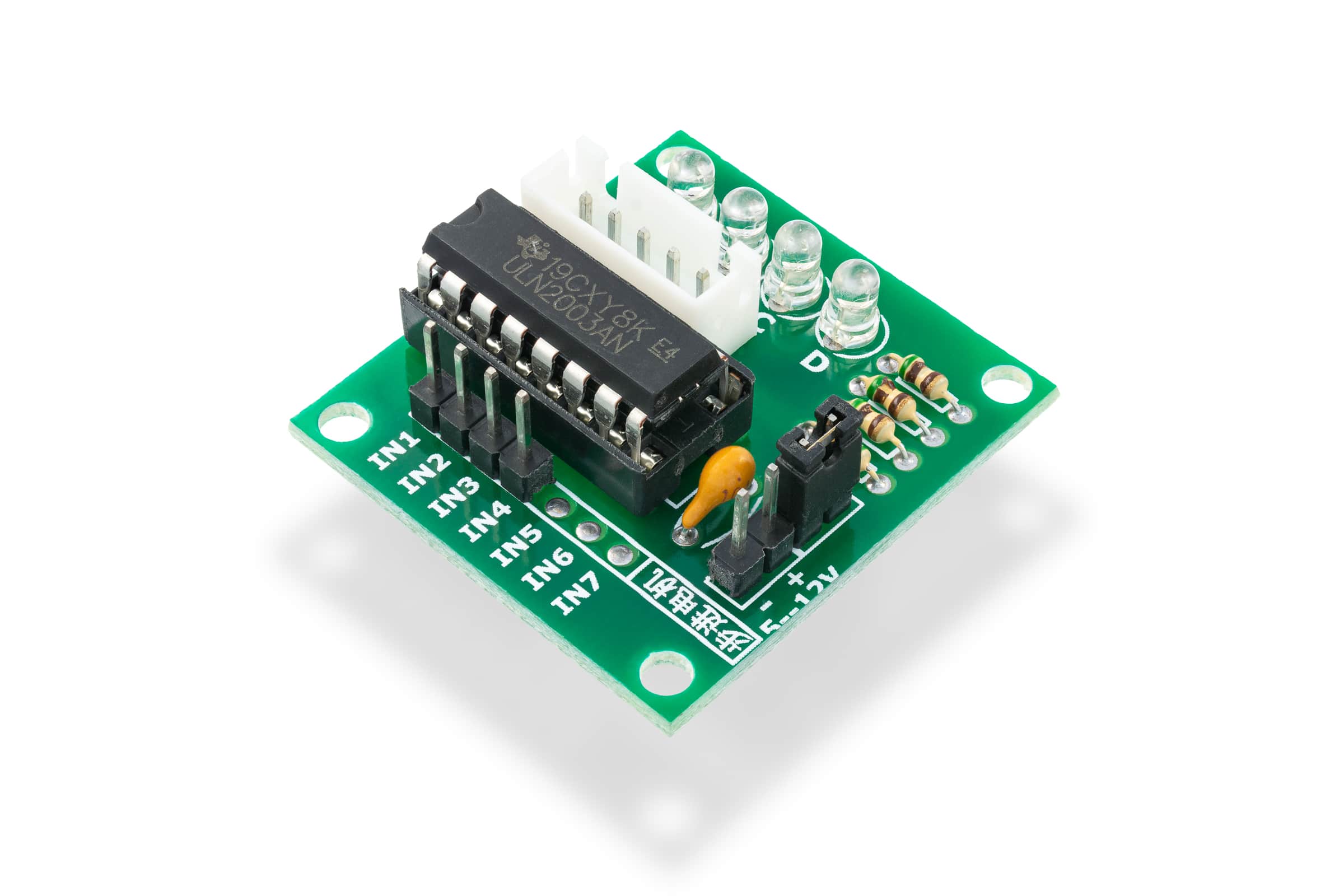
Stepper motor driver ULN2003
This driver for stepper motor enables control over a stepper motor that does not require more than 500mA of current and works at 5V-12V voltage. Except for the driver, it has built-in LED lights that indicate which phase of the motor is currently active. Connecting on Croduino/Arduino is simple, and control is directly through the library.
11 years in the industry
Customers in 80+ countries
20,000+ satisfied customers