





-
My cartSub-total: Subtotal: €2.50


- Dasduino (Arduino-compatible)

- Inkplate

- easyC ecosystem

- Raspberry Pi & Micro:bit

- Breadboards & Cables

- Batteries & Power supplies

- Kids

- Sensors

- Actuators

- Communication

- Tools & Lab equipment

- Soldering kits

- Components

- Sale

Sale
In this category, you can find all products from the offer that are on sale.
Showing 1–24 of 78 resultsSorted by latest
Coming soon

Kapton tape 20mm width, 10m
Kapton is a special type of material that is resistant to high temperatures and does not conduct electricity. When it is thinly rolled out and adhesive tape is placed on it, we get a kapton tape. In electronics, it is often used to protect plastic components from damage during soldering and as an insulator.
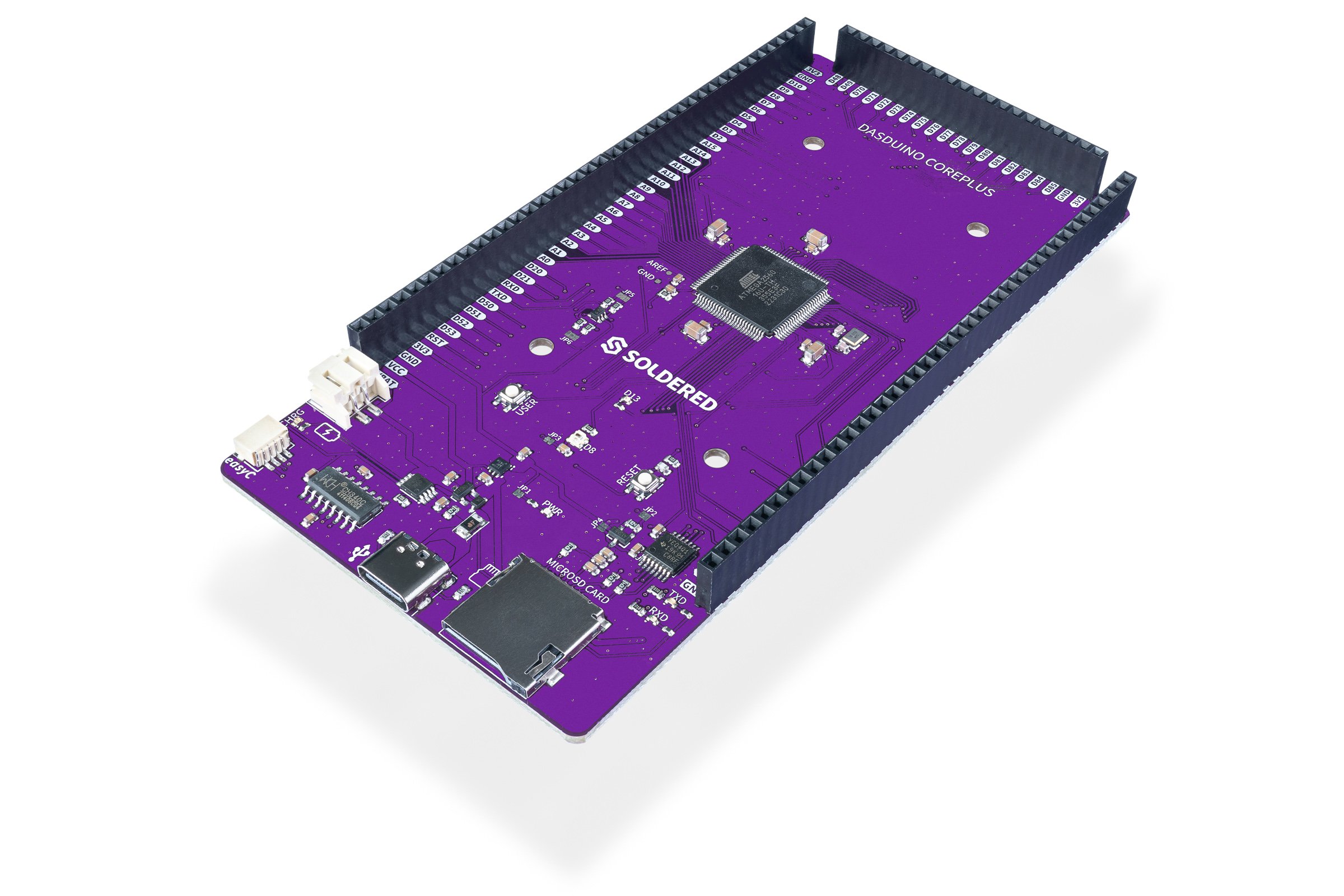
Dasduino COREPLUS (ATmega2560)
The soldered version of the ATmega2560 microcontroller board has arrived! It is designed for enthusiasts and professionals in the field of electronics and DIY projects. The heart of the board, the ATmega2560, is a powerful 8-bit microcontroller that offers enough processing power for demanding applications. The board comes with a large number of digital and analog inputs/outputs, allowing users to connect various sensors and actuators. The ATmega2560 contains a significant amount of Flash memory, SRAM, and EEPROM, which is sufficient for complex applications and data storage. The USB interface allows for easy programming and communication with a computer. It enables communication with various peripheral devices and modules using the easyC system for simple connectivity. The board is compatible with popular development environments, such as Arduino IDE, which facilitates the development and implementation of projects.
This board is ideal for creating complex and versatile electronic projects, such as automatic systems, smart devices, robotics, and many others.
Dasduino COREPLUS (ATmega2560) options:
Dasduino COREPLUS comes in 3 versions depending on the method of connection to the pins:
– without headers
– with male headers
– with female headers
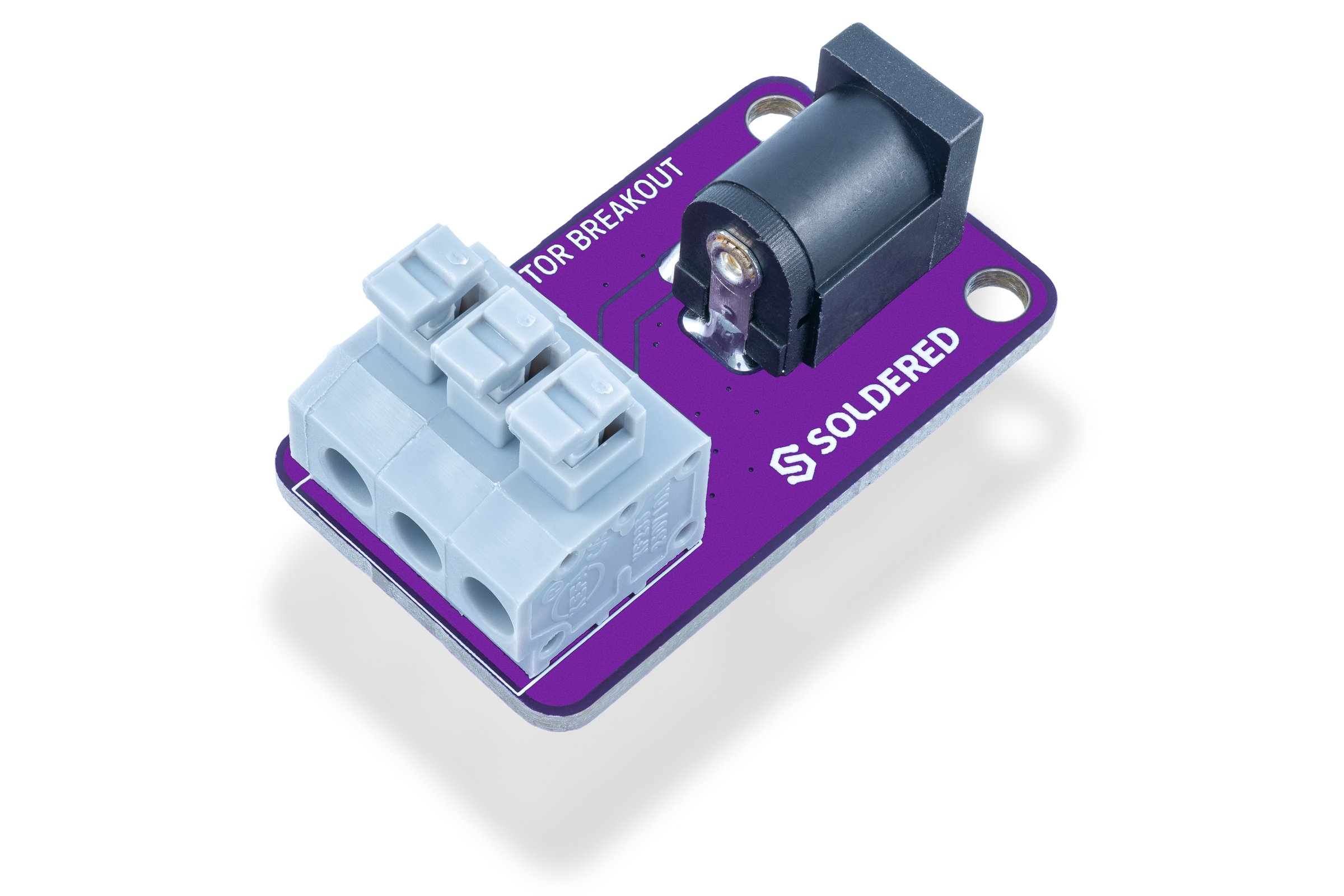
DC connector breakout
Simple breakout that allows access to standard 2.4 mm pins of a DC connector.
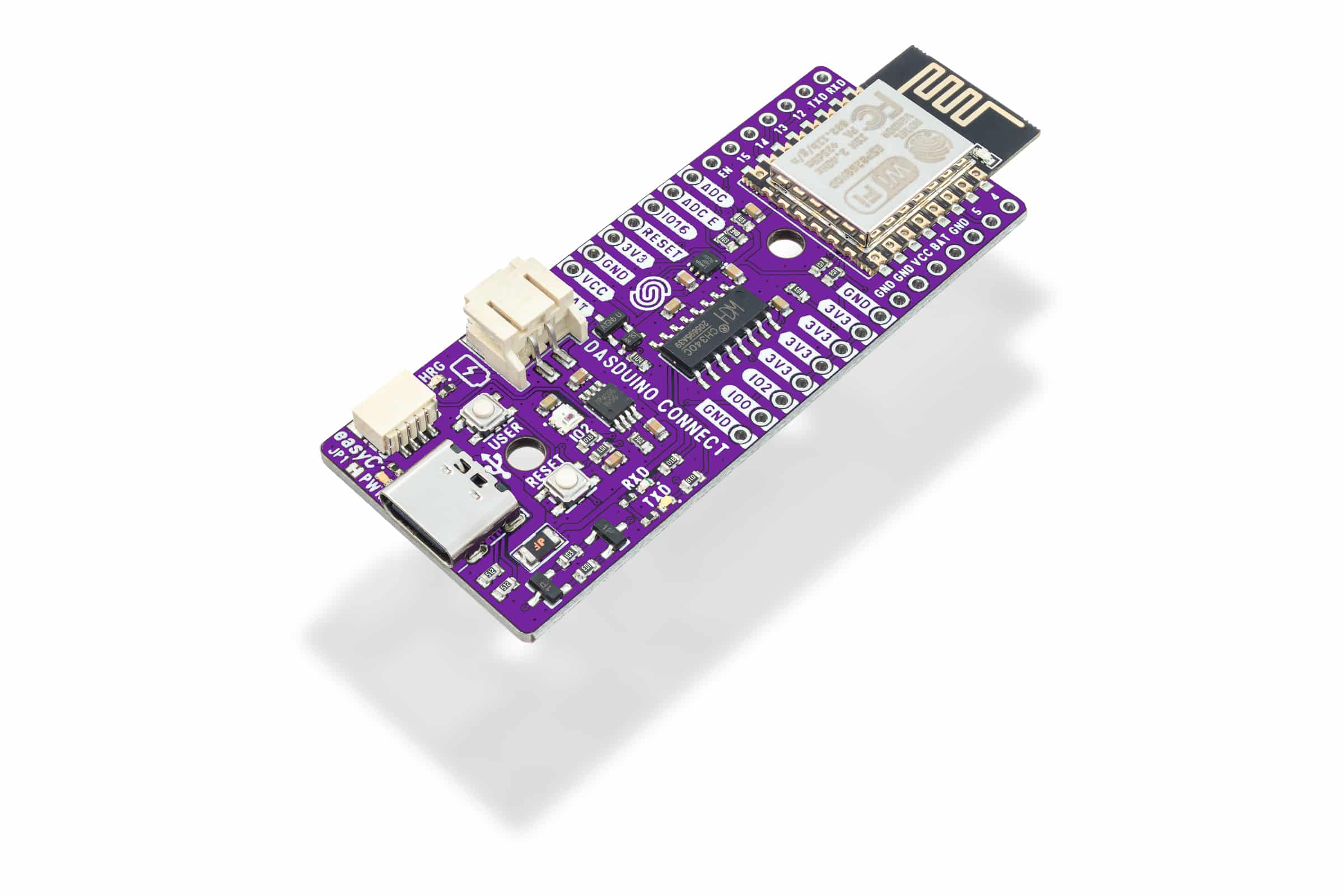
Dasduino CONNECT (ESP8266)
The biggest advantage of Dasduino Connect hides within its name. If you ever wanted to connect your development board directly to the Internet, look no further! This Dasduino comes with the ability to connect to Wi-Fi. It even comes with the TCP/IP protocol suite that supports DNS. Connecting the physical world with the Internet has never been easier! Dasduino Connect is based on the well-known ESP8266 microchip which can be a bit complicated to use on its own. Adding the fact that it works from the Arduino IDE, working this board is as simple as it gets.
Dasduino Connect is 71 mm wide and 26 mm high so you can fit it in most projects. It fits perfectly on a breadboard for faster prototyping. It has a total of 30 pins, most of which are digital and one of which is analog. You can simply connect it to your computer with a USB Type-C and program it in Arduino IDE. Connecting the Dasduino Connect with other boards is done with an easyC cable. The design is 3.3V ready with an onboard regulator for 5V. With the JST battery connector, you can make your projects truly wireless. It includes full RGB WS2812B LED as well. Comes without any headers although it comes with USB-C cable.
Dasduino CONNECT (ESP8266) options:
The Dasduino CONNECT comes in 3 versions depending on the method of establishing a connection to the pins:
– without headers
– with male headers
– with female headers
Coming soon
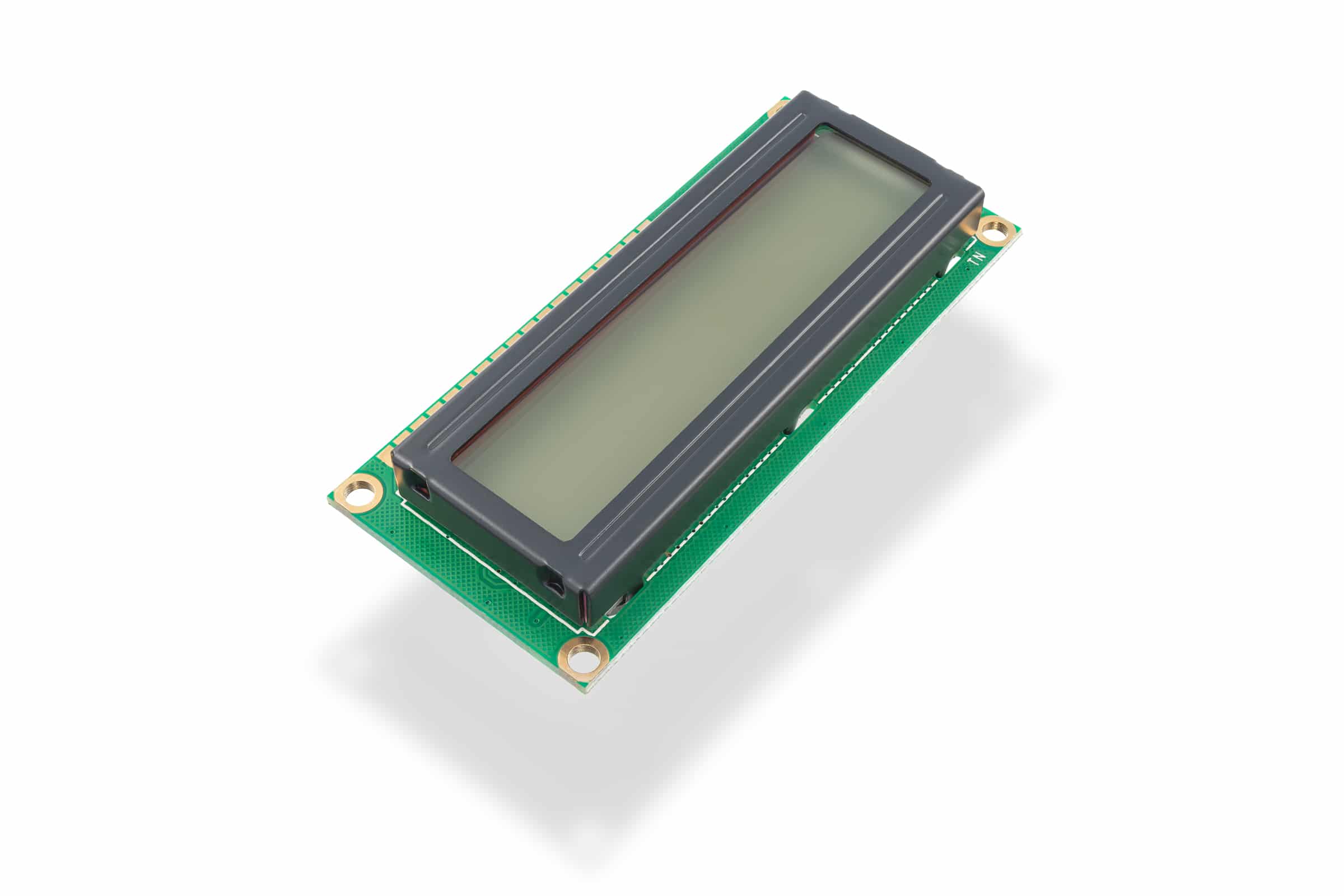
LCD display 16x2 RGB
LCD screen with HD44780 controller is able to display text, symbols, values or anything else coming from Dasduino/Arduino. It is capable of displaying 16 characters in 2 lines and is useful in many projects that need to send clearly visible and legible output information.
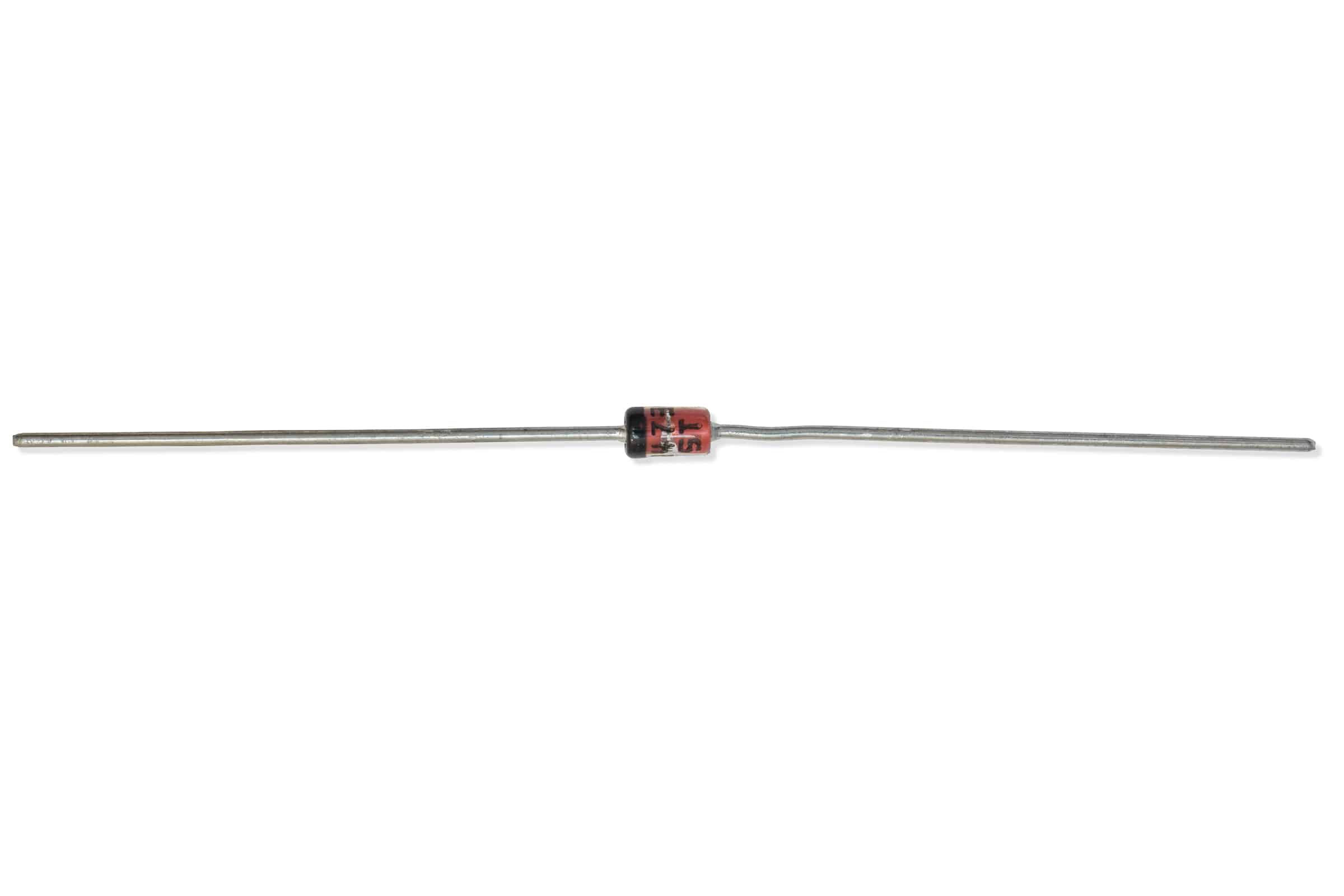
Zener diode 12V
Zener diodes are a special type of semiconductor diode– devices that allow current to flow in one direction only –that also allow current to flow in the opposite direction, but only when exposed to enough voltage.

Zener diode 9.1V
Zener diodes are a special type of semiconductor diode– devices that allow current to flow in one direction only –that also allow current to flow in the opposite direction, but only when exposed to enough voltage.
• Package: THT
• Zener voltage: 9.1V

Resistor 0603 100kohm 5%
0603 resistor 100k ohm with 5% tolerance.

Resistor 0603 330ohm 5%
0603 resistor 330 ohm with 5% tolerance.
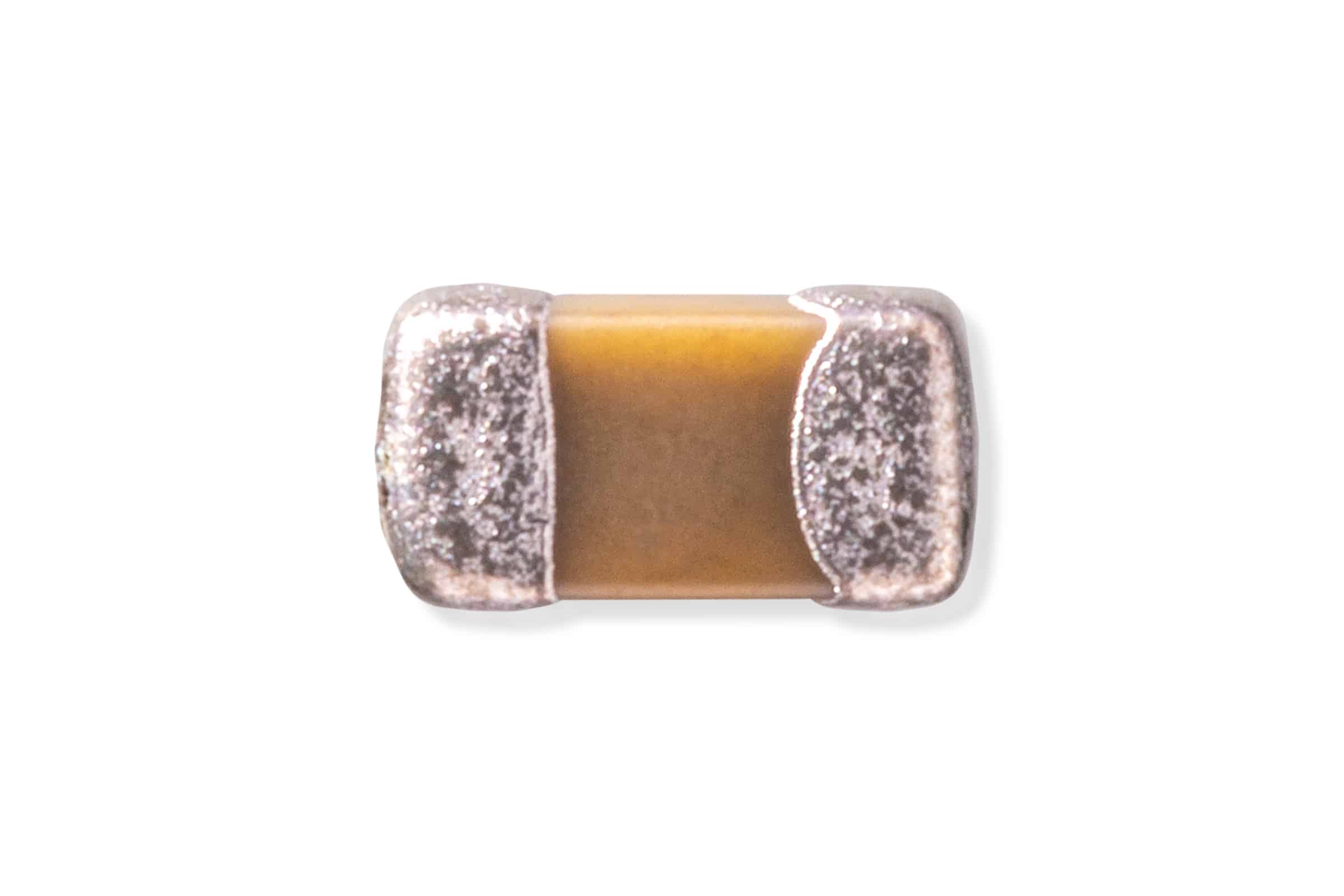
Capacitor 0603 1uF 16V
Classic capacitor 0603 1uF 16V, tolerance 10%.
It comes in a pack of 50 pieces.
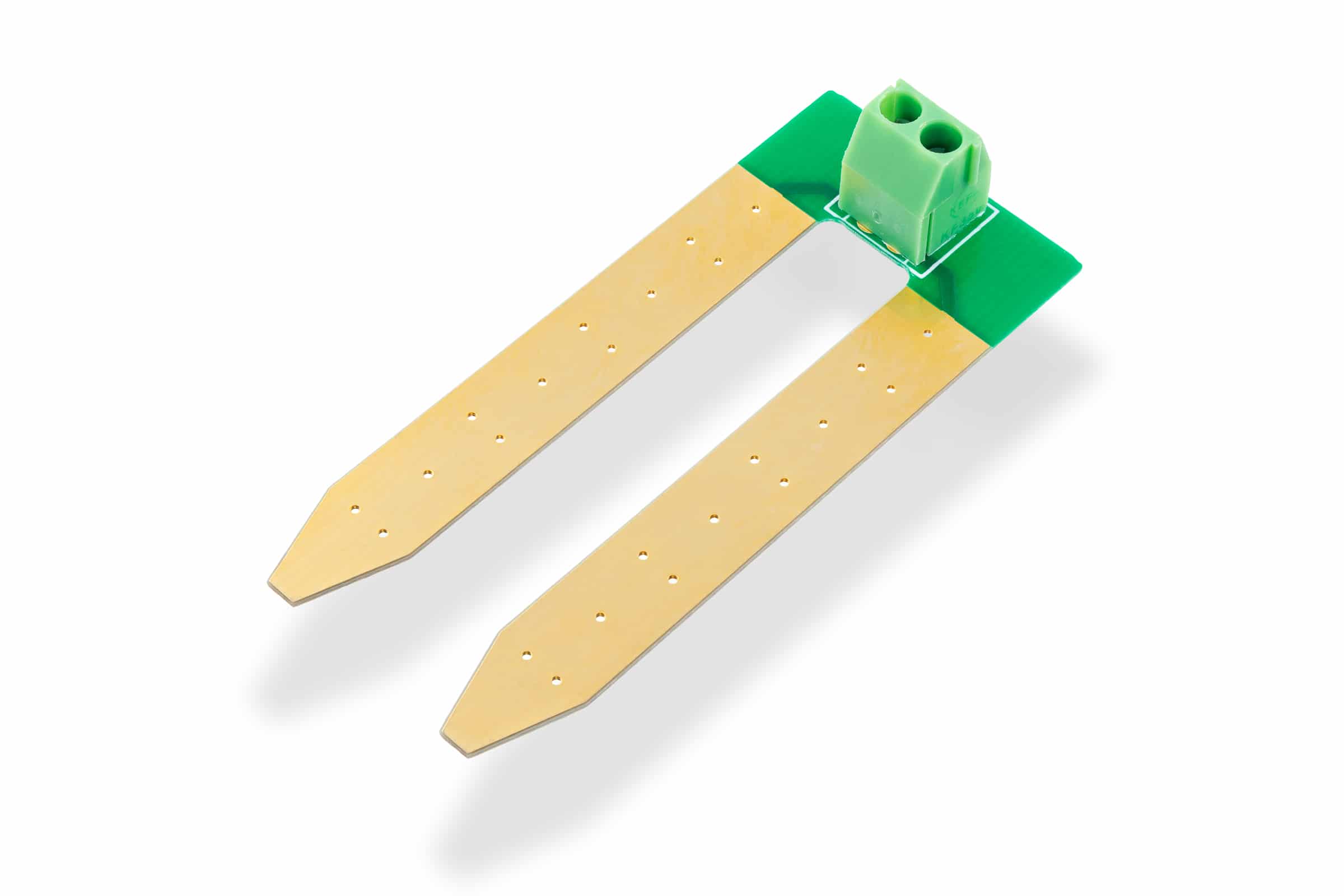
Gold-plated soil sensor
A fork-shaped soil humidity sensor with gold-plated contacts which prevent oxidation. It has a soldered terminal for easier wire connection.
Dimensions: 54mm x 22mm x 0.45mm
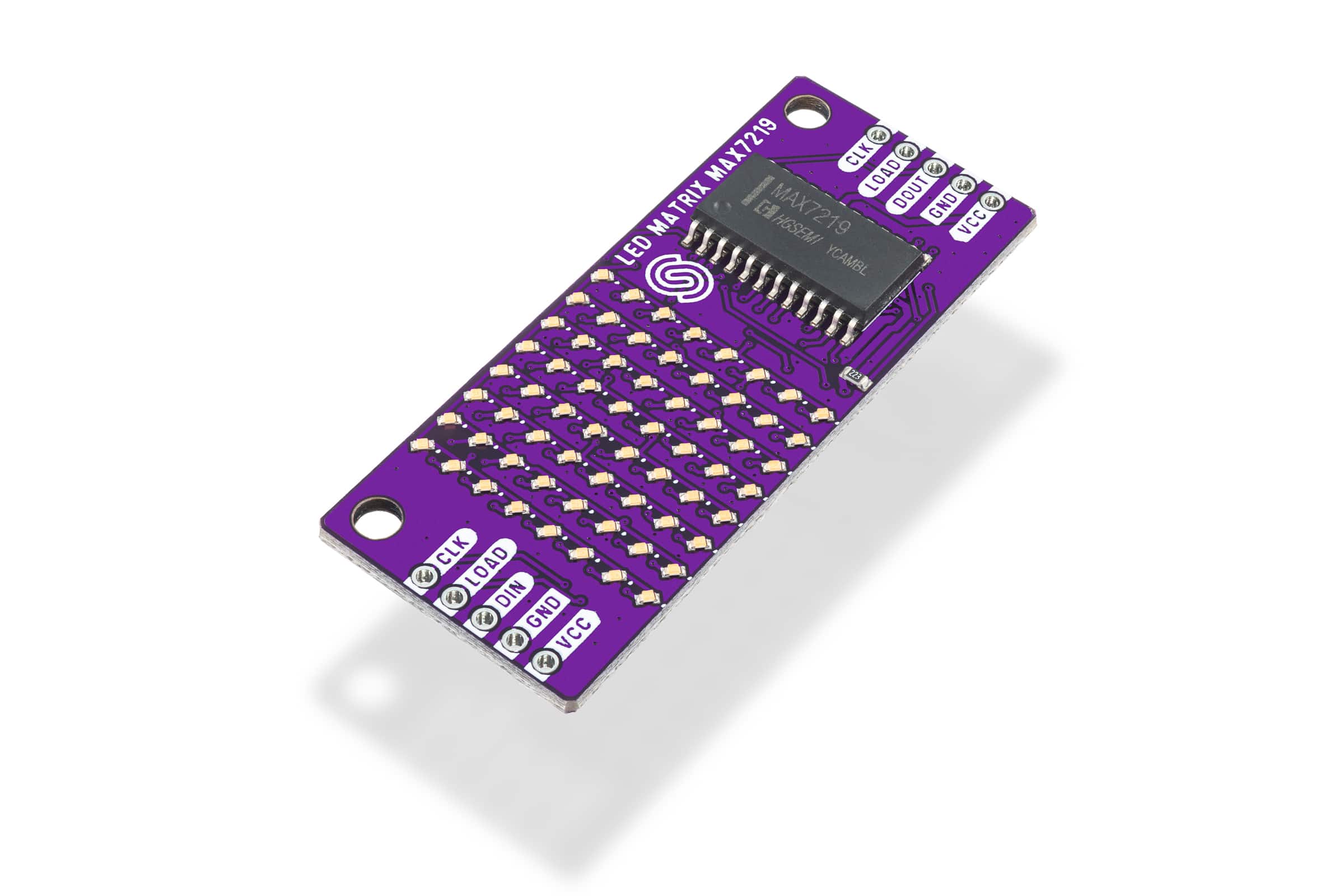
8x8 LED matrix MAX7219
The LED matrix 8×8 is a system of 64 interconnected LEDs that, with the help of the MAX7219 LED driver, light up as programmed, and all of this is located on one board and is truly easy to use. You can use them to show letters or symbols, display text, and the like. It is possible to connect several modules with just a few wires and control several matrices at once.
The design of the modules is such that they will look like they are from one piece, even if you stack several of them one after the other. The LEDs on the board are beautiful 0402 very small LEDs and give a very nice effect when lit.
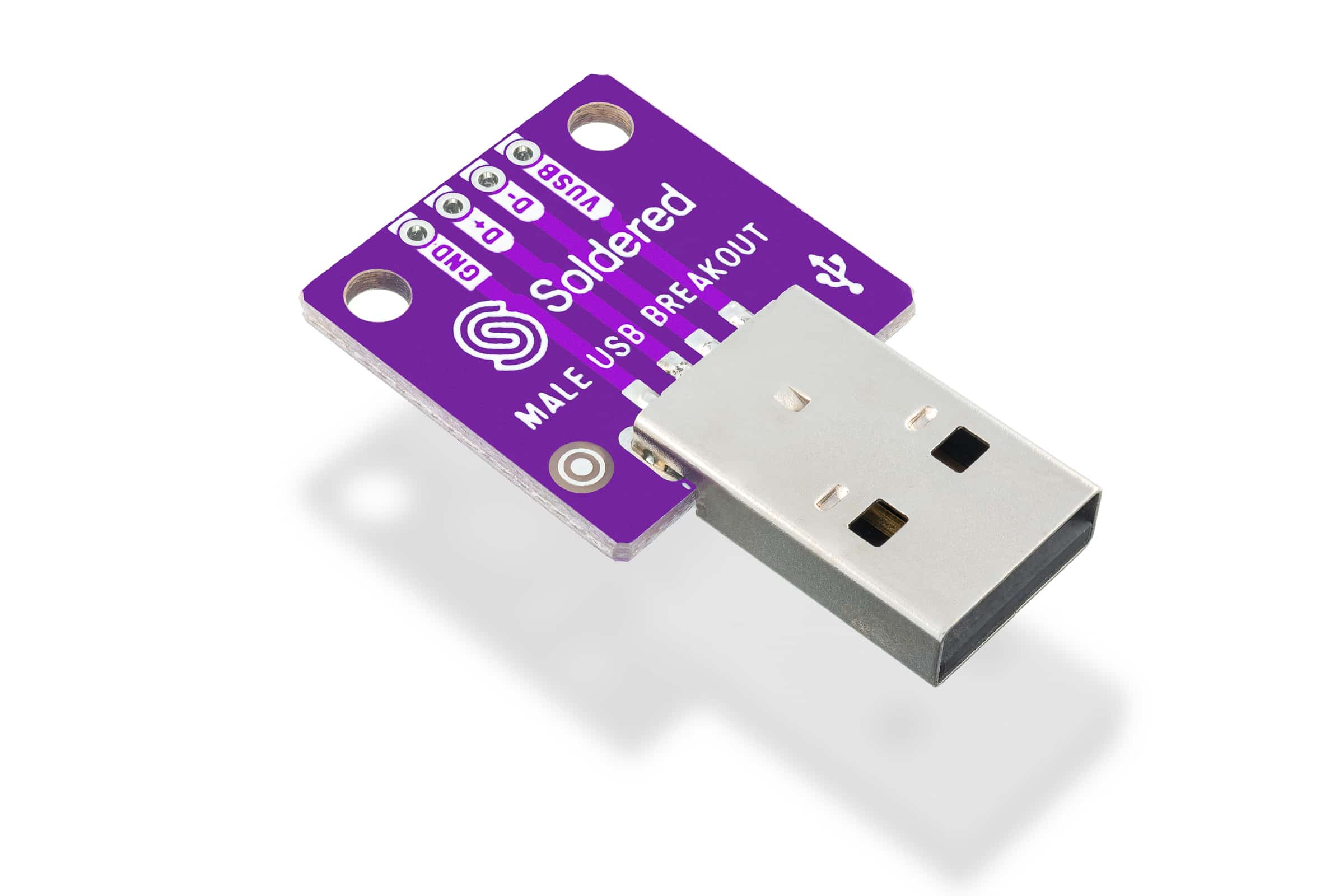
USB Type A male breakout
The USB Type-A connection is still prevalent. If it’s in the electronic devices everywhere around us, it is only natural that we’d want it in our electronic projects. Adding a USB Type-A connection to your circuit is as easy as pie with this breakout board.
The breakout board breaks the GND, D+, D-, and VUSB pins out to the plated through-holes.
Product usage tips:
Male headers for the pads are added and need to be soldered. The breakout board has two mounting holes for placing it on different surfaces.
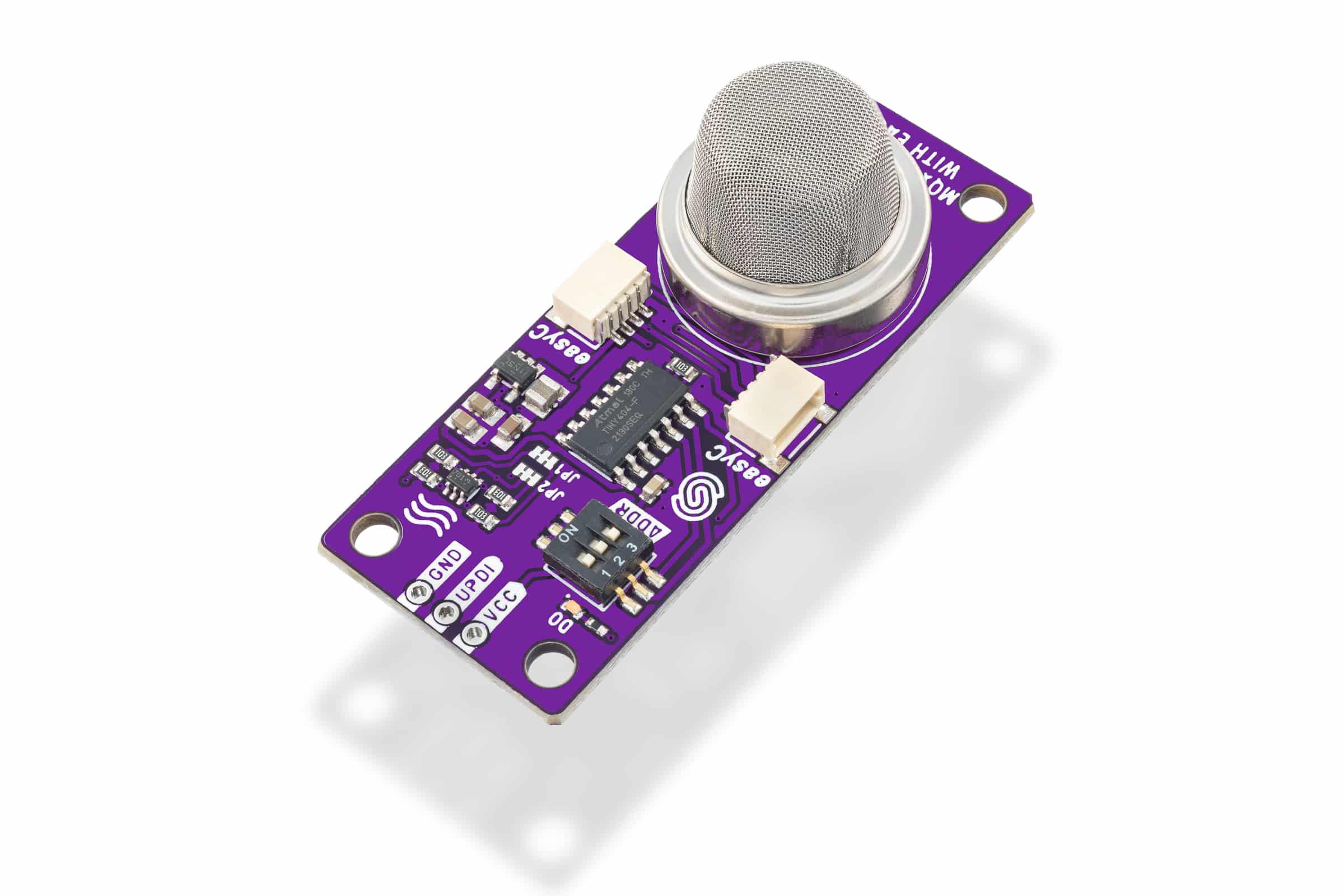
CO, flammable gasses sensor MQ9 breakout with easyC
We are surrounded by invisible gases everywhere. Although we generally don’t have to worry about them, in certain circumstances they can be very flammable and dangerous. The MQ9 breakout detects carbon monoxide, methane, propane and other flammable gases so that the right measures can be taken in time. The sensor detects carbon monoxide at 10-1000 ppm and other flammable gases at 100-10000 ppm.
The breakout board provides digital and analog information via the easyC system. Sensor readings are obtained via easyC.
Product usage tips:
When gas is detected, the LED will start glowing. It will remain off if it doesn’t detect anything. Four mounting holes enable easy mounting to surfaces. The board comes with three male headers.
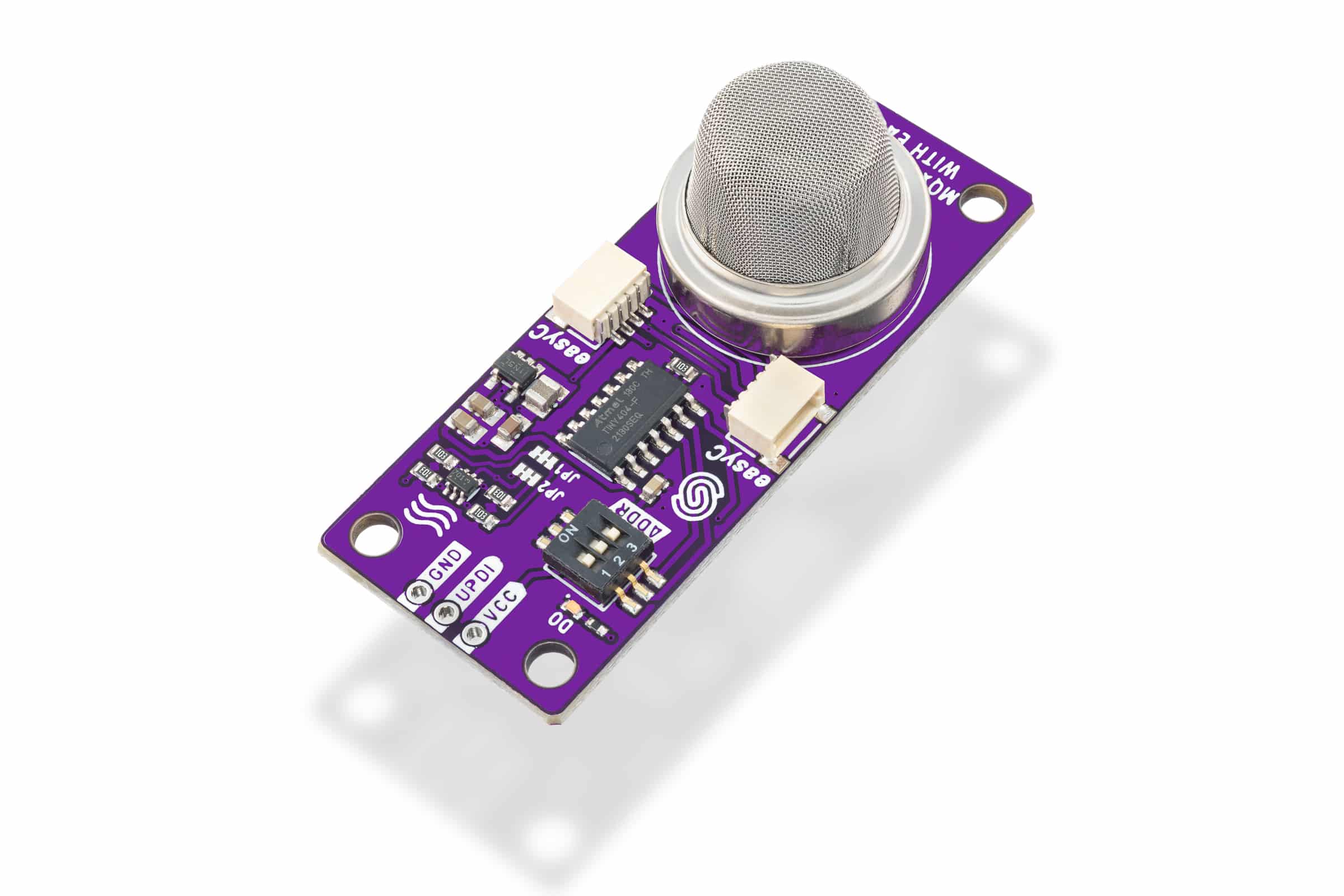
Hydrogen sensor MQ8 breakout with easyC
Hydrogen is all around us, and it is dangerous because it is highly flammable. Its leakage can be very dangerous for both life and property. That is why it is important to detect any leakage to prevent such losses in the industry. To do this, hydrogen sensors such as the MQ8 breakout board are used. The sensor detects hydrogen in the range of 100-1000 ppm.
The breakout board provides digital and analog information via the easyC system. Sensor readings are obtained via easyC.
Product usage tips:
When gas is detected, the LED will start glowing. It will remain off if it doesn’t detect anything. Four mounting holes enable easy mounting to surfaces. The board comes with three male headers.
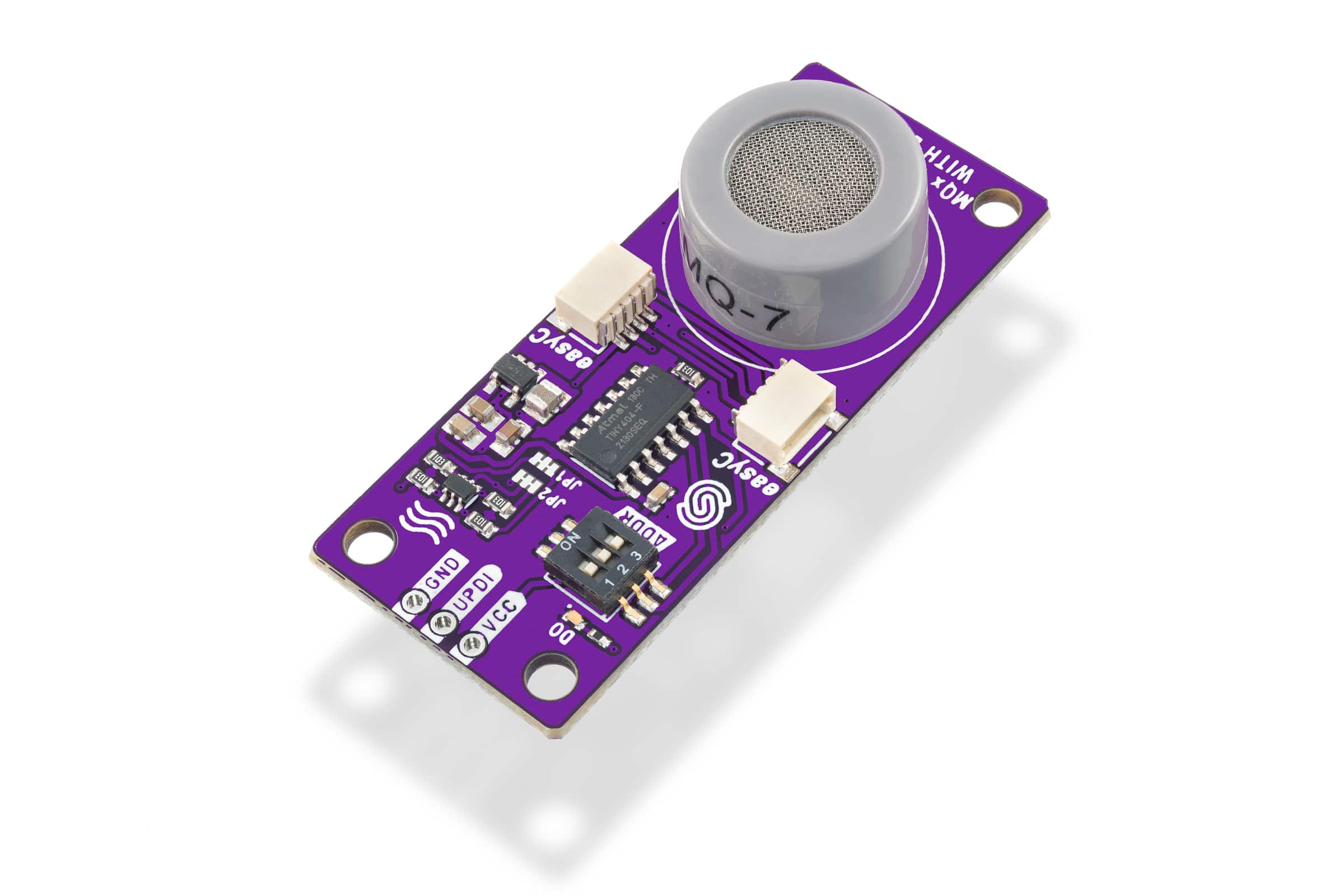
CO sensor MQ7 breakout with easyC
The sensitivity and selectivity of the MQ7 sensor enable it to effectively detect and measure carbon monoxide levels, making it a crucial tool for applications such as gas leakage detection, security systems, and environmental monitoring. By integrating the MQ7 sensor with appropriate electronic circuits and microcontrollers like Dasduino, you can create systems that enable real-time monitoring and prompt alerts in the presence of hazardous CO concentrations. It requires a short time to warm up in order to work correctly.
The breakout board provides digital and analog information through the easyC system. Sensor readings are obtained through easyC.
Product usage tips:
When gas is detected, the LED will start glowing. It will remain off if it doesn’t detect anything. Four mounting holes enable easy mounting to surfaces. The board comes with three male headers.
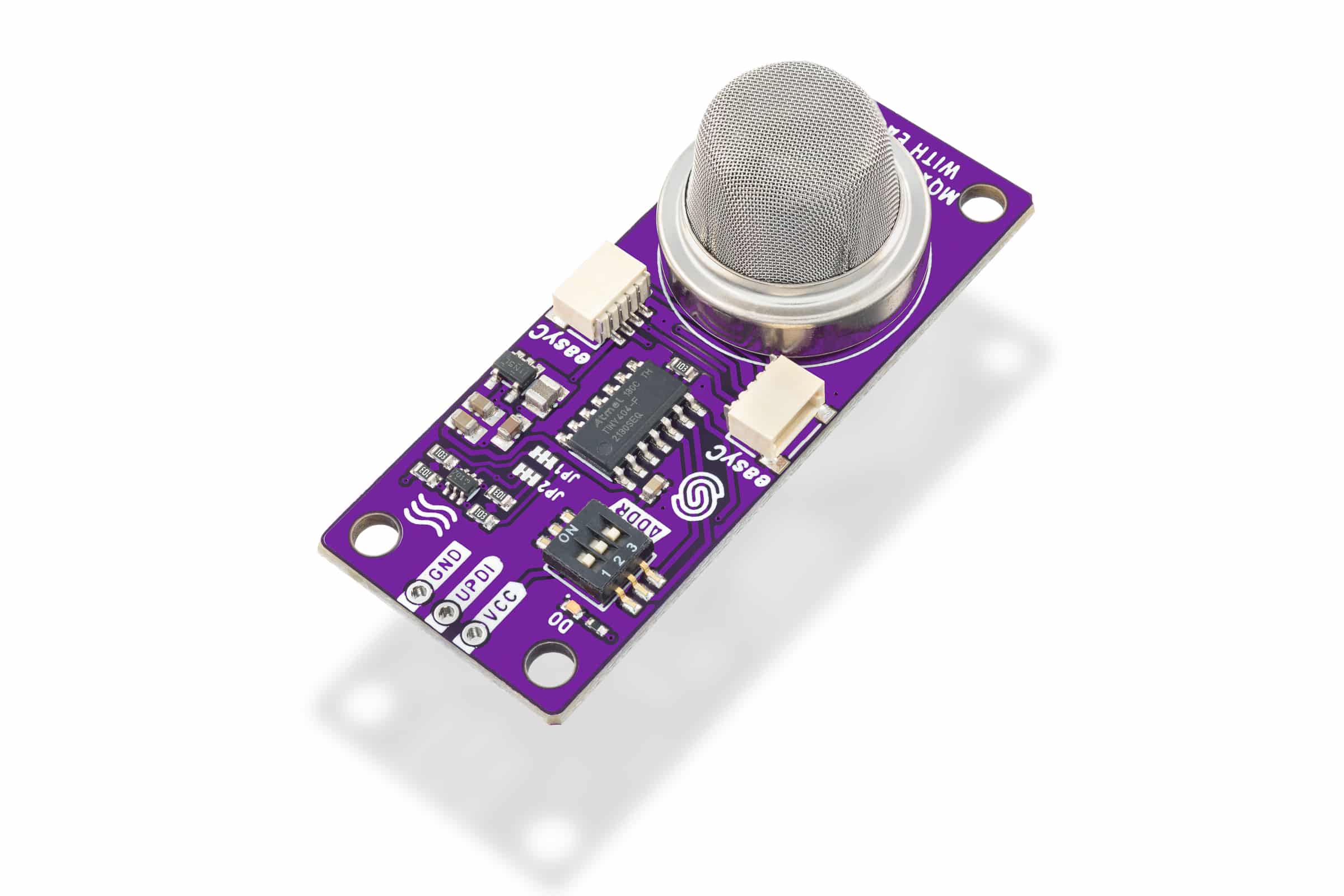
LPG, Butane sensor MQ6 breakout with easyC
Humans can detect many smells, but may have difficulty distinguishing gases. That’s why we use sensors like the MQ6 that detects LPG and butane in the air. When heated to the optimal operating temperature, it very quickly detects changes in air concentration between 200 and 10,000 ppm.
The breakout board provides digital and analog information via the easyC system. Sensor readings are obtained via easyC.
Product usage tips:
When gas is detected, the LED will start glowing. It will remain off if it doesn’t detect anything. Four mounting holes enable easy mounting to surfaces. The board comes with three male headers.
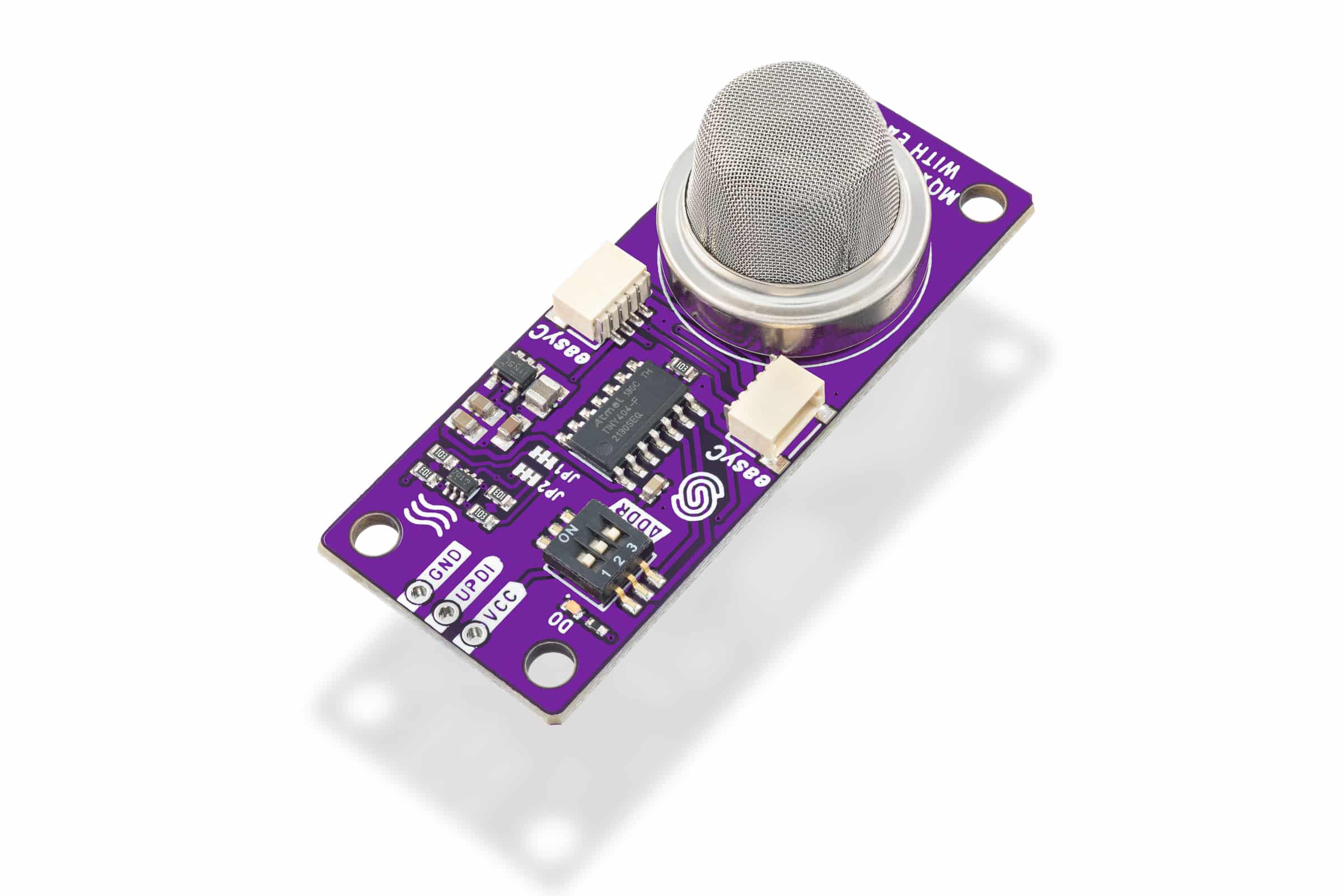
Natural gas, LPG sensor MQ5 breakout with easyC
Is your office located near a high traffic area? Are you concerned about the presence of natural and liquefied petroleum gases in your work environment? The MQ series sensors can help detect various gases, and the MQ5 sensor is an easy-to-use sensor that provides information about the levels of natural gases and LPG (liquefied petroleum gas) in your surroundings. It quickly detects gas particles in the range of 200 to 10,000 ppm.
The breakout board provides digital and analog information through the easyC system. Sensor readings are obtained through easyC.
Product usage tips:
When gas is detected, the LED will start glowing. It will remain off if it doesn’t detect anything. Four mounting holes enable easy mounting to surfaces. The board comes with three male headers.

Methane, CNG sensor MQ4 breakout with easyC
The Methane/CNG Sensor MQ4 Breakout with Qwiic offers a reliable, compact solution for detecting combustible gases like Methane (CH4) and Compressed Natural Gas (CNG). Built around the sensitive MQ-4 sensor, the board includes an ATTiny404 MCU that converts the analog signal to a digital I²C output, simplifying integration and eliminating the need for external ADCs or complex calibration. This ready-to-use module is ideal for environmental monitoring and safety applications.
Designed for easy integration, the breakout features a 4-pin Qwiic (formerly easyC) connector, allowing solder-free connection to Qwiic-enabled development boards. The I²C interface supports multiple sensors on a single bus and works with a range of microcontrollers, from Arduino to Raspberry Pi. Low power consumption makes it suitable for battery-powered or remote monitoring systems, while the robust design ensures long-term stability in demanding environments.
Perfect for portable gas leak detectors, automated ventilation systems, or air quality monitoring stations, the MQ4 breakout provides accurate, digital gas sensing for both educational and professional projects. Simply connect via the Qwiic port to your microcontroller and start monitoring Methane and CNG immediately.

Butane, LPG & Smoke sensor MQ2 breakout with easyC
MQ sensors, including the MQ2 sensor, have the capability to detect various gases. The MQ2 sensor is specifically designed to detect combustible gases such as LPG (liquefied petroleum gas), butane, propane, methane, alcohol, hydrogen, and smoke. These gases are commonly found in residential, industrial, and automotive environments. The sensor’s sensitivity and responsiveness enable it to detect even trace amounts of these gases, making it a valuable tool for gas leakage detection, fire detection, and air quality monitoring. It takes a short time to heat up in order to work correctly.
The breakout board provides digital and analog information through the easyC system. Sensor readings are obtained through easyC.
Product usage tips:
When gas is detected, the LED will start glowing. It will remain off if it doesn’t detect anything. Four mounting holes enable easy mounting to surfaces. The board comes with three male headers.
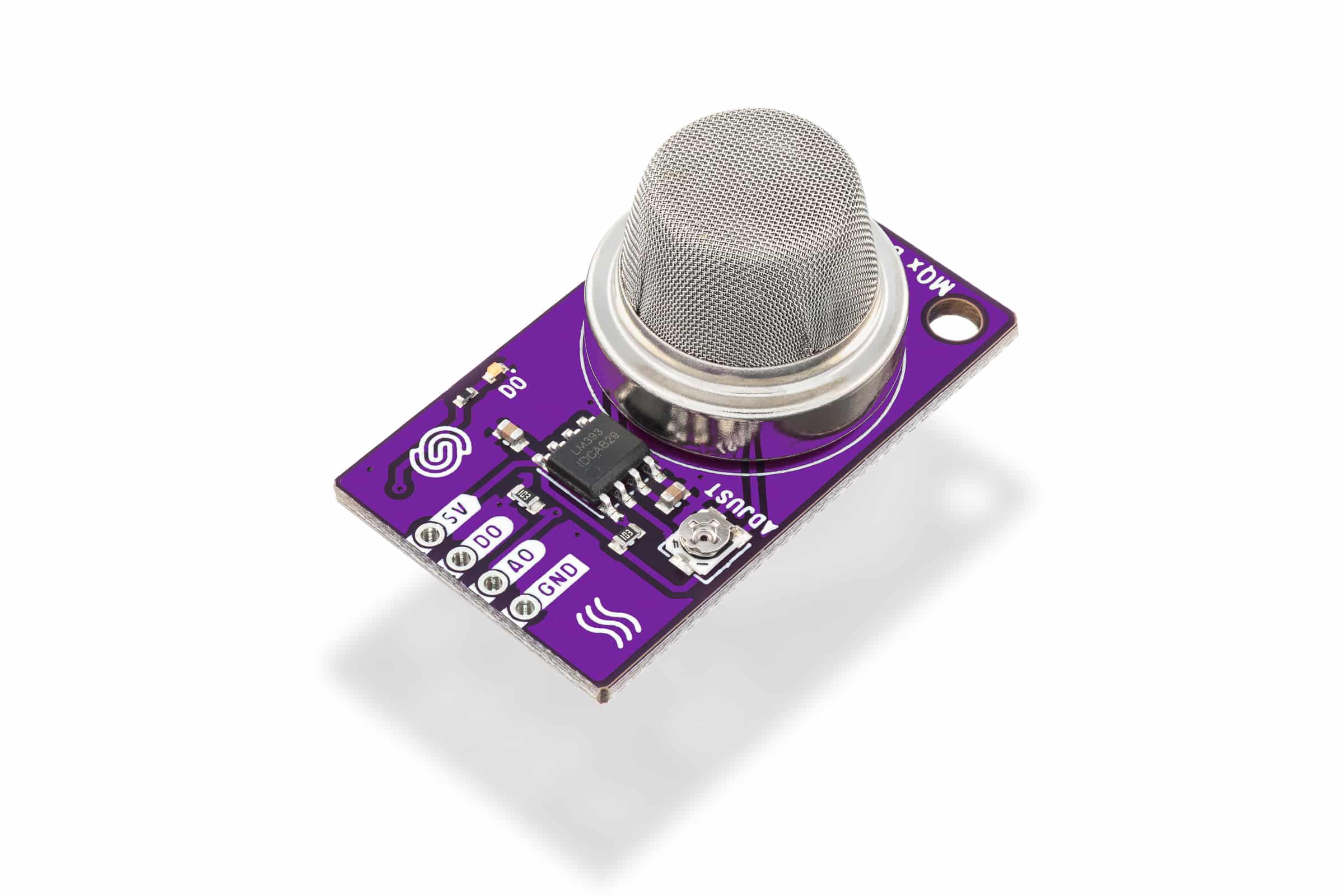
CO, flammable gasses sensor MQ9 breakout
We are surrounded by invisible gases everywhere. While we generally don’t have to worry about them, under the right circumstances, they can be very combustible and dangerous. The MQ9 breakout board detects carbon monoxide, methane, propane, and other flammable gases so the right measures can be taken in time. The sensor detects carbon monoxide at 10-1000 ppm and other combustible gasses at 100-10000 ppm.
The digital and analog outs can be found on the through-holes. They are marked as DO and AO respectively. The digital output can be obtained by setting a threshold value with a potentiometer. The analog output will depend on the intensity of the gases.
Product usage tips:
The sensor needs 48 hours to preheat to optimal working temperature. If it detects some gas, the LED will glow. If there are no gases, it will remain off. The board can be attached to the project thanks to the two mounting holes. It comes with four pins that need to be soldered.
Due to its long life, the breakout board can be used for quite some time without a second thought. To prevent damage to the sensor, avoid dipping it in water or freezing it. Highly corrosive gases will weaken the sensor significantly.
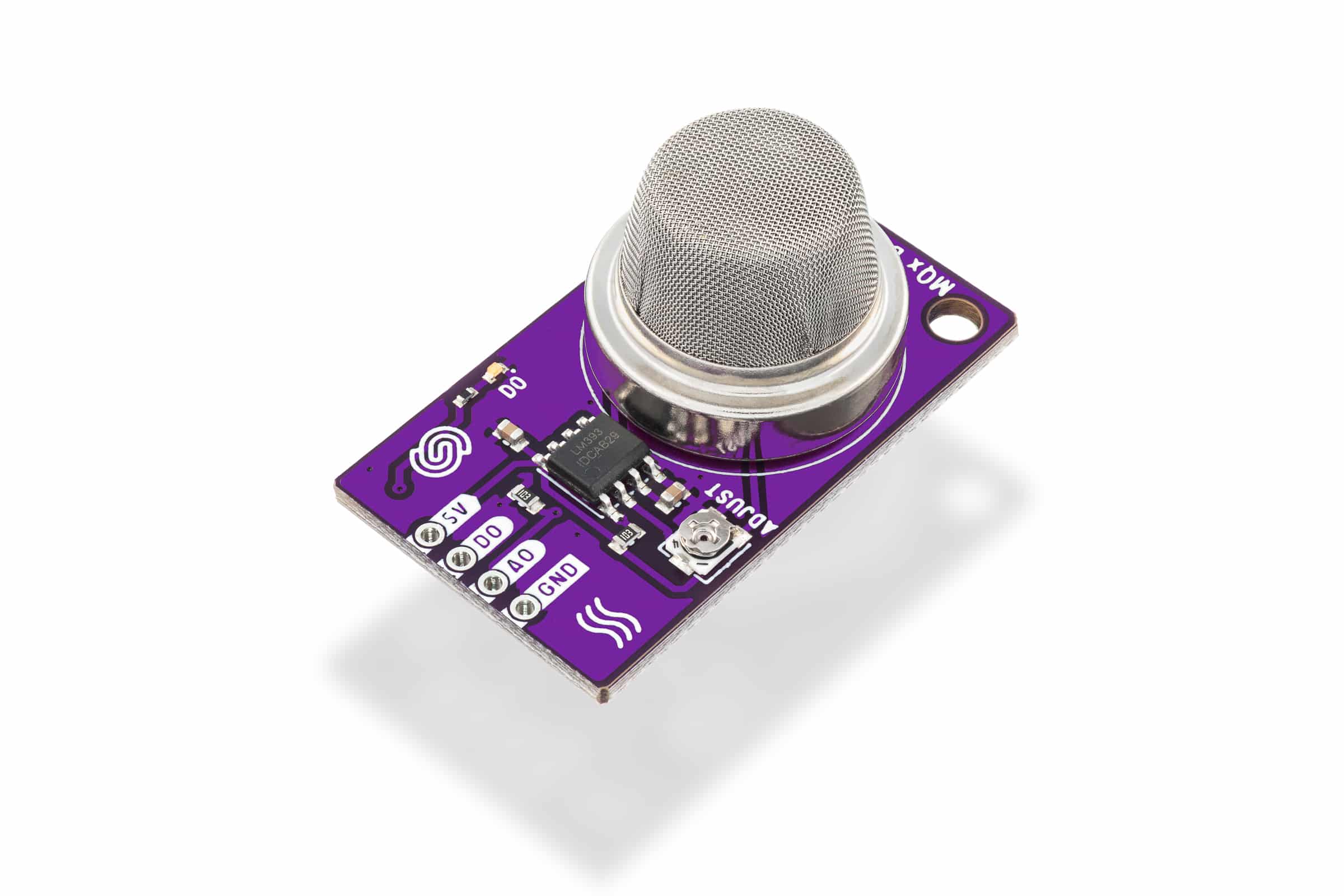
LPG, Butane sensor MQ6 breakout
Humans can detect many scents, but can have difficulties when it comes to differentiating gases. That’s why we use sensors like MQ6. It detects LPG and butane in the air. When heated to the optimum working temperature, it detects changes in air concentrations very quickly between 200 and 10000 ppm.
The DO pin stands for digital out. AO stands for analog out. The digital output is obtained by setting a threshold value using the potentiometer. The analog output will depend on the intensity of the gas around the sensor.
Product usage tips:
Preheating the sensor to the optimal working temperature takes 24 hours. The LED on the board will glow when gas is detected. It will remain off when it’s not. The board has two mounting holes for easy attachment to the project. It comes with four pins that need to be soldered.
You can use the board for years due to its long life. To prevent damage to the sensor, it should not be dipped in water or frozen. Highly corrosive gases will render the sensor useless. Cooking fumes and cigarette smoke will interfere with the sensor.
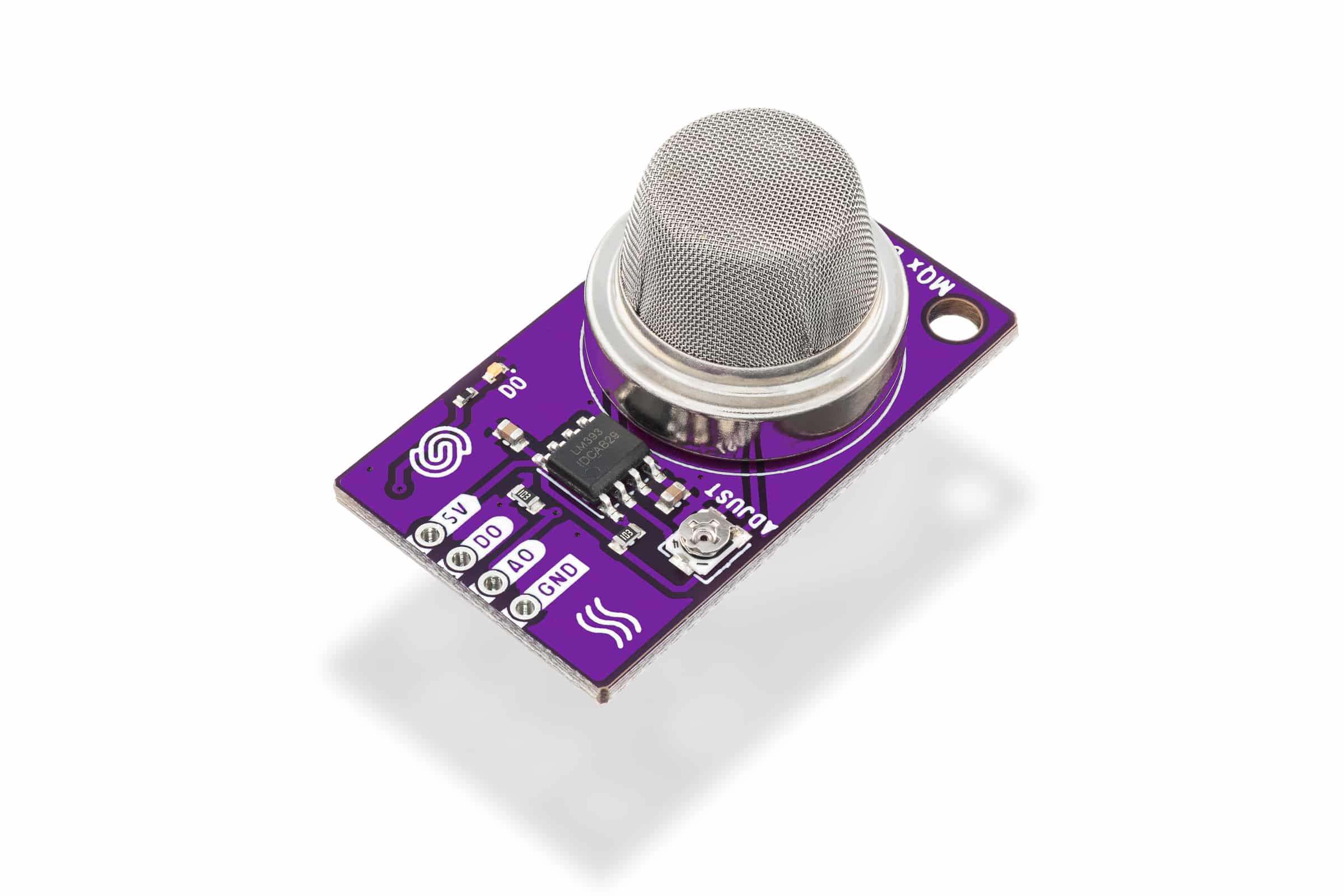
Natural gas, LPG sensor MQ5 breakout
Is your office near a high-traffic area? Are you concerned about the amount of natural and liquefied petroleum gases in your work environment? The MQ5 is a simple-to-use sensor to put your mind at ease. It detects gas particles very quickly between 200 and 10000 ppm.
The breakout board works with both digital (DO) and analog signals (AO). The digital output is obtained by setting a threshold value with a potentiometer. The analog output will differ depending on the intensity of the gas.
Product usage tips:
The sensor takes 24 hours to preheat to optimal working temperature. When gas is detected, the LED will start glowing. It will remain off if it doesn’t detect anything. Two mounting holes enable easy mounting to surfaces. The board comes with four pins that need to be soldered.
The breakout board boasts a long life so you don’t have to worry about it suddenly breaking. Submerging the sensor underwater and freezing it will damage it beyond repair. Highly corrosive gases will also damage the sensor.
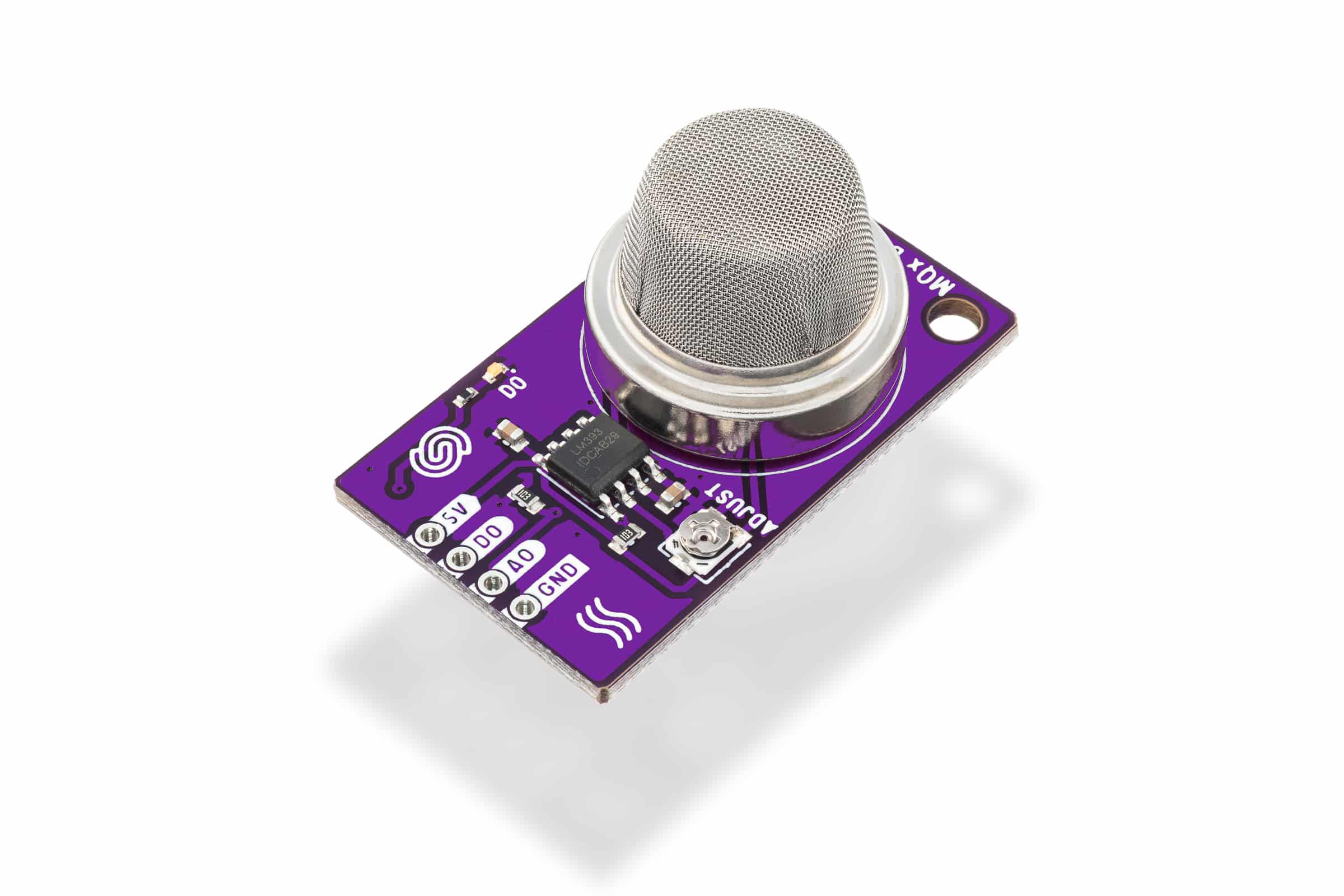
Methane, CNG sensor MQ4 breakout
Have you ever wondered how much natural gas and methane are in your living room? You can easily measure that! The MQ4 breakout board is a simple-to-use sensor that detects the natural gas and methane (CH4) in the air. Once heated to working temperature, it detects changes in air concentrations very quickly between 200 and 10000 ppm.
On the through-holes, the DO stands for digital out and AO for analog out. The digital output is obtained by setting a threshold value using the potentiometer. The analog output will depend on the intensity of the gas around the sensor.
Product usage tips:
The sensor will take 24 hours to preheat to working temperature. The LED on the board will glow when gas is detected, and remain off when it’s not. The board can easily be secured in place using the two mounting holes. It comes with four pins that need to be soldered.
Due to its long life, you can use this board for years without much of a thought. Dipping the sensor in water and freezing it will damage it, so avoid doing that. Highly corrosive gases will weaken it significantly, making it useless.

11 years in the industry

Customers in 80+ countries

20,000+ satisfied customers
