






- Dasduino (Arduino-compatible)

- Inkplate

- easyC ecosystem

- Raspberry Pi & Micro:bit

- Breadboards & Cables

- Batteries & Power supplies

- Kids

- Sensors

- Actuators

- Communication

- Tools & Lab equipment

- Soldering kits

- Components

- Sale

Shop

24/7 free customer and technical support

Comprehensive documentation

Open-source hardware and software

2-year Warranty - no questions asked
Showing 289–312 of 699 resultsSorted by average rating

Simple rain sensor
Water is essential for life on Earth. Using water efficiently is very important. With the easy-to-use simple rain sensor, farmers can save water while irrigating their crops. The sensor will alert them to shut down the water supply when it senses rain. It can even act as an automatic on and off switch, like turning on wipers on a car when it senses rain.
This sensor has two pieces – the rain sensor and the simple sensor. The rain sensor has nickel-coated lines on both sides. It measures moisture and outputs the data to the simple sensor that reads it. The simple sensor uses the LM393 differential comparator. The main benefit of this board is ability to give analog and digital output. By setting the potentiometer on the board, you are able to get digital signal at the DO pin when signal crosses certain value, while analog values will be present on the AO pin at all times.

Smart LED WS2812B Ring12
WS2812B is an extremely interesting LED that can emit light in red, green or blue – or any combination of these three colors, able to show a total of approximately 16 million different colors. On this board diodes are arranged in a circle. They are controlled by a single pin with only few lines of code from Arduino IDE. That’s possible thanks to the integrated controller inside the LED itself!
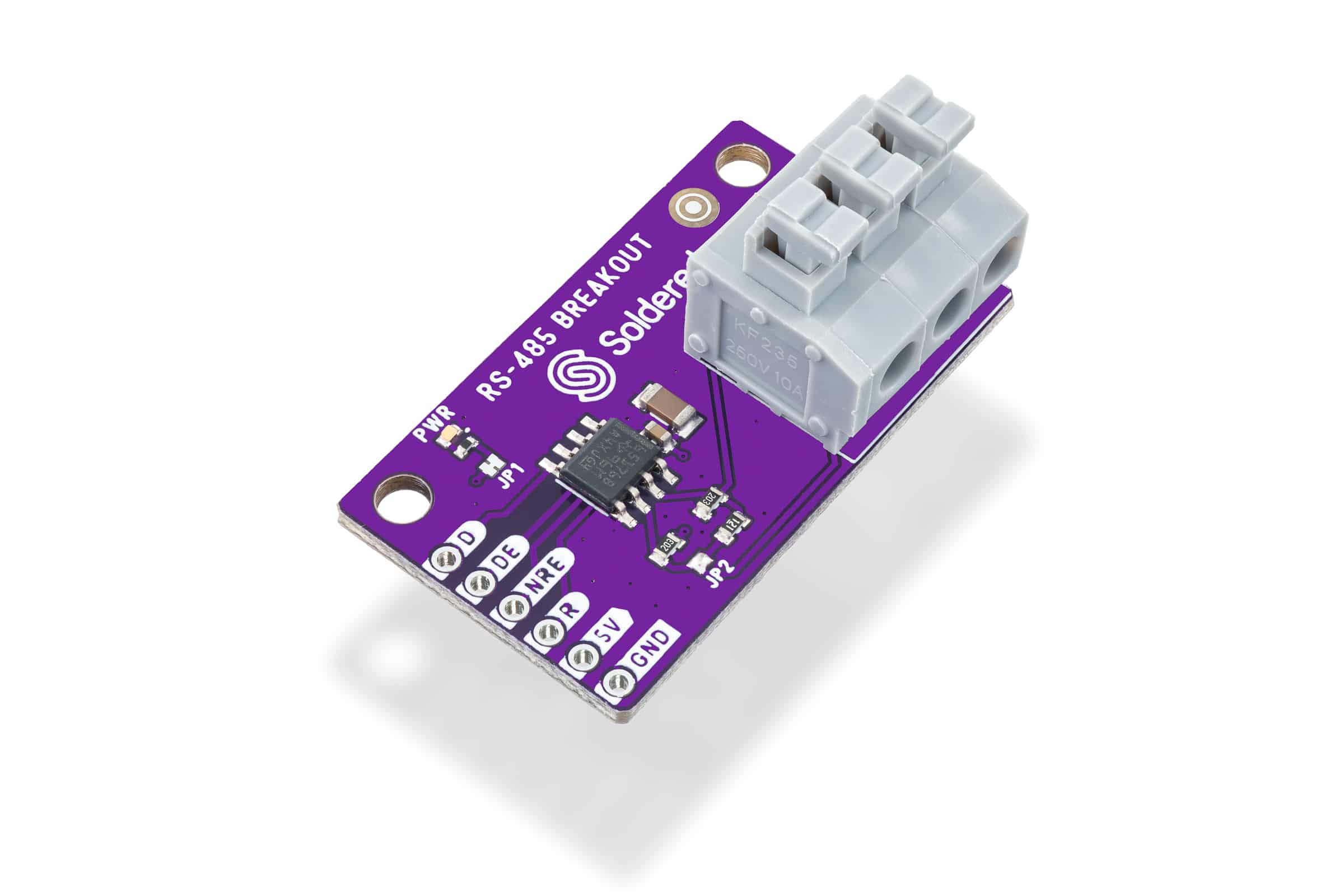
RS-485 transciever breakout
This module allows you to connect a Dasduino, or similar microcontroller, to a RS-485 communication protocol. The RS-485 is used to send data over long distances (up to 1200m) at 20Mbps and in high-noise environments, such as industrial. The module works on 5V and requires between 120μA and 500μA of current.
• Voltage: 5V
• Based on: SN65176BDR
• Dimensions: 38 x 2mm
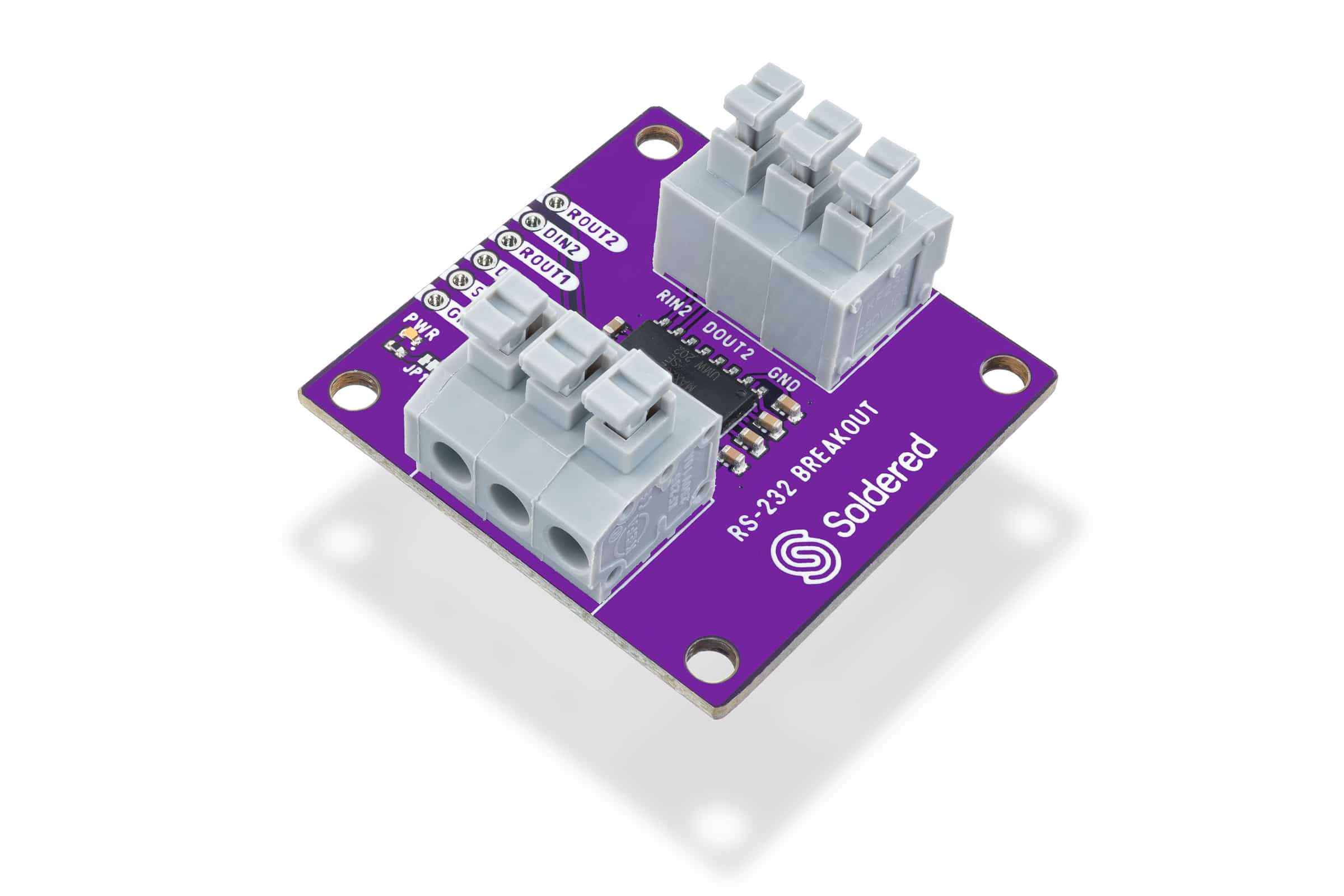
RS-232 transciever breakout
The RS-232 is a standard and very popular protocol for communication between two devices. It is a full-duplex protocol which means it can receive and send data at the same time, and data is sent at voltages from + 3V to + 15V for a digital “one” and from -3V to -15V for digital “zero”. This provides a more secure environment for data transmission which is resistant to noise or interference, which is why the RS-232 is often used in industry. This module converts serial communication to RS232.
• Communication lines: TX, RX
• IC:232 MAX
• Voltage: 3.3V – 5.5V
• Dimensions: 22 x 22 mm
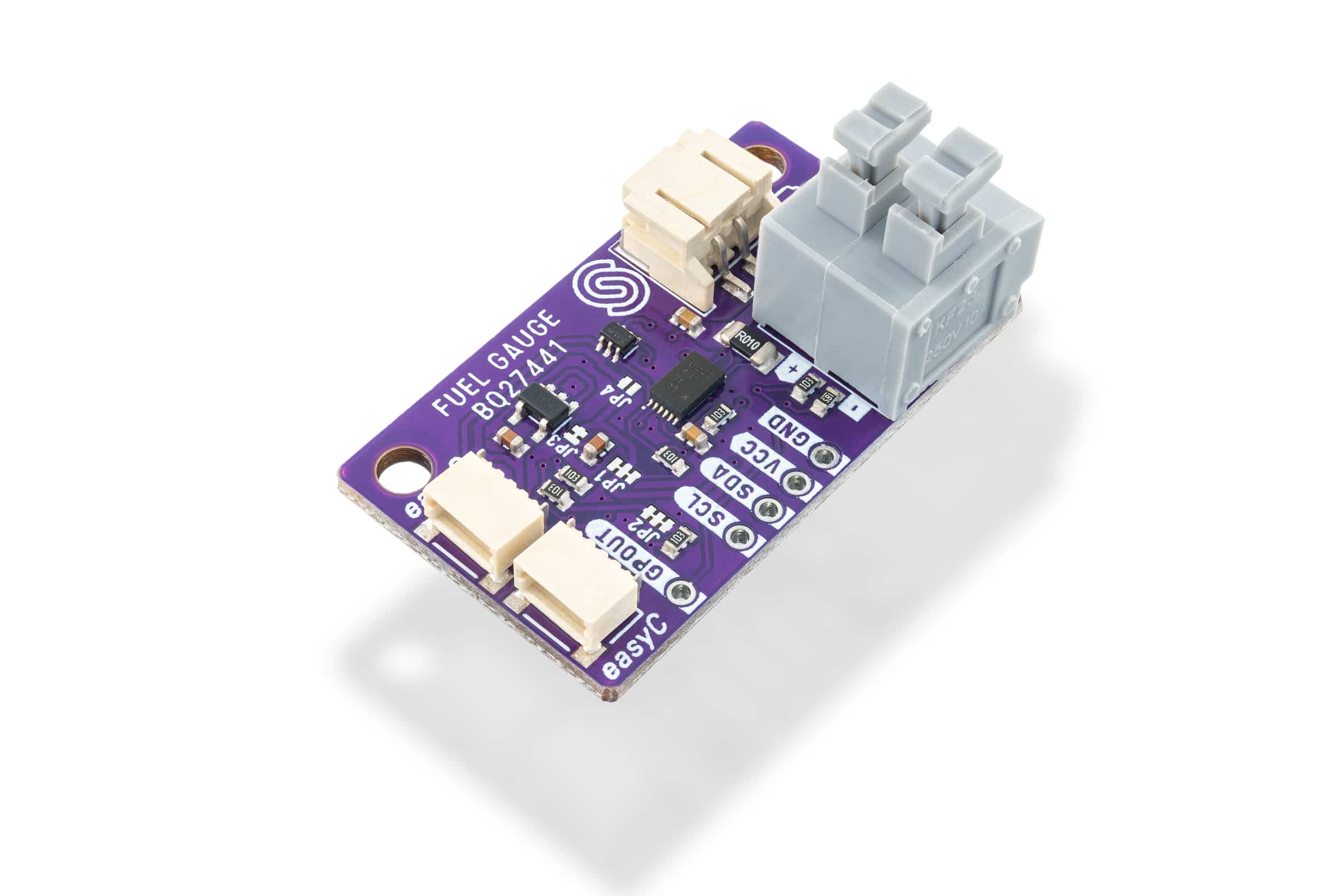
Fuel gauge BQ27441 breakout
Fuel gauge is a special type of accessory for lithium batteries that very precisely measures the state of the battery. This includes current voltage [mV], state of charge [%] and probably most interestingly: remaining capacity in the battery [mAh]. It is used with 1S batteries, and provides all this information via the I2C interface.
On our board you can find easyC connectors which allow I2C communication with microcontroller. Also, there is a JST input for any pouch battery you can find in our offer, as well as quick connect terminal connector for input if your source doesn’t have JST connector.

Digital light & proximity sensor LTR-507 breakout
For very precise measurements of the amount of light, take this digital light sensor into account (ALS – Ambient Light Sensor). In addition, the LTR-507ALS also measures the proximity (PS – Proximity Sensor) of the object to the sensor. It sends all this data via I2C communication, which is easy to read via our Arduino library.
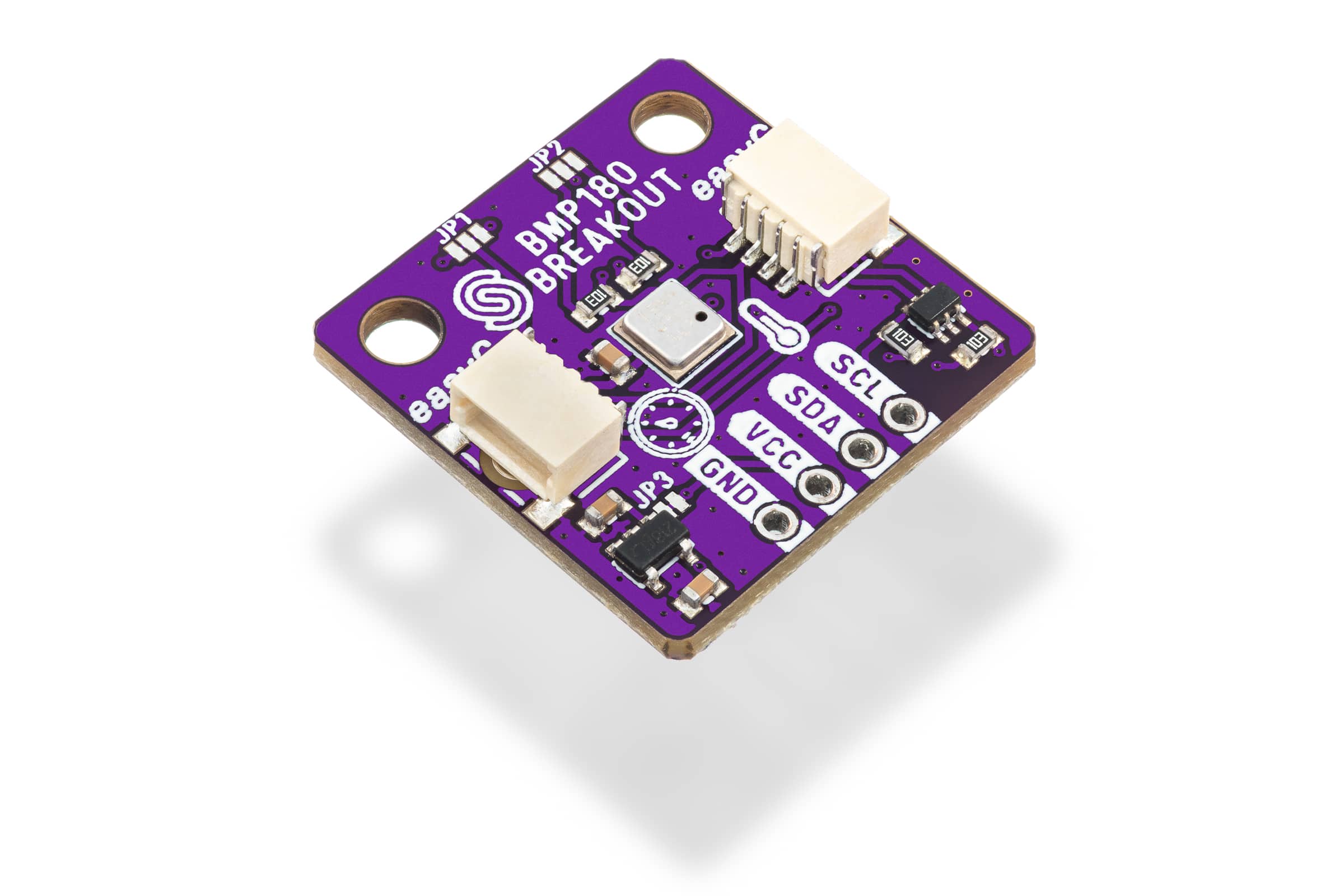
Pressure & temperature sensor BMP180 breakout
Ever wanted to build your own weather station using Arduino? Then the BMP180 breakout board with precision sensor from Bosch might interest you. The digital sensor on the board precisely measures the changes in barometric pressure and temperature. It uses the piezoresistive effect to gather the information. Since the pressure varies depending on height, the sensor can measure altitude too. Very low current consumption and voltage allow this type of sensor to be used in many modern devices.
The design is 5V ready with an onboard regulator for 3.3V. The breakout board’s standard current consumption is very low, only 5 µA. It uses an I2C interface, and the I2C address is 0x77. No soldering, nor need for distinguishing between SDA and SCL is required due to easyC. The sensor has integrated EEPROM memory with data for calibration. The pressure is measured in steps of 1hPa (=0.01hPa =0,01mbar), and 0.1°C for temperature.
Product usage tips:
If there is an error while using the breakout board, see if it’s connected properly. Take a look at the pinout. If everything is properly connected, check if the I2C address of the breakout board is correct prior to programming it. The I2C 7-bit address should be 0x77. If everything is correctly connected and the I2C address is right, look through your code once again. There might be some bugs in the code that are stopping the sensor from working as it should.
BMP180 breakout board works very well in combination with any Dasduino board and OLED I2C 0.96” display breakout board. All of them use easyC so they can be connected in a matter of seconds. The BMP180 sensor can measure the barometric pressure and temperature, while the OLED display can show them. The breakout board also comes with two mounting holes so you can attach it onto something and it won’t budge.
To keep the sensor working for a long while, we would advise you not to use it in extreme conditions. Going over or below the temperature range will surely damage the sensor. Same with the pressure. Keep track of the current going through it. Allowing too high of a current through the breakout board will burn the sensor and render it completely useless.
Coming soon
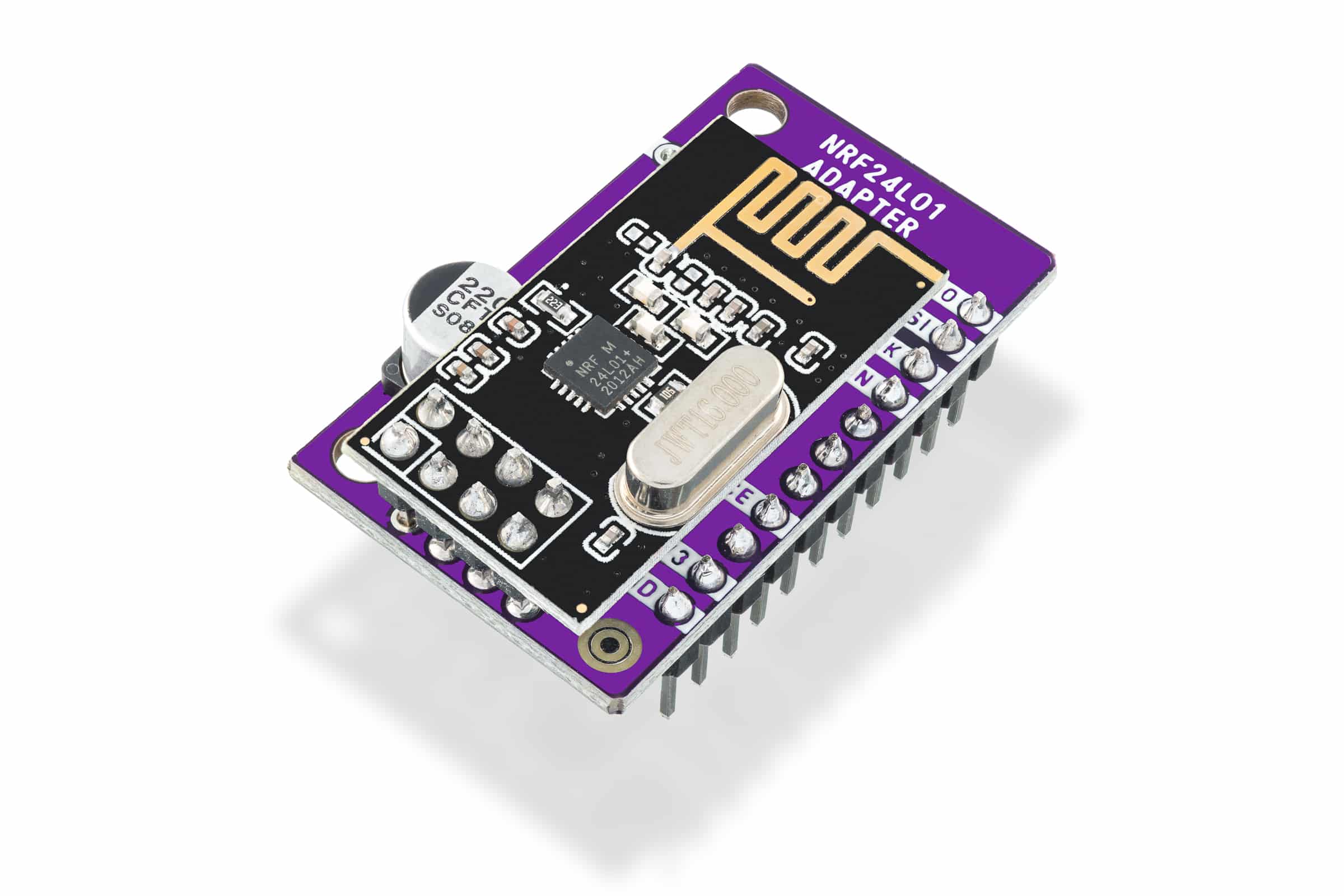
NRF24L01 adapter for Dasduino boards
Connecting the NRF24L01 can be tricky – you have to pay attention to the layout of the pins, adjust them to match those from the library and add a capacitor. This board solves all that, and it already comes with soldered headers, so just plug this board into your Dasduino and that’s it!
• Comes with NRF24L01+ module
• Dimensions: 38 x 22 mm

PMS7003 sensor adapter
To connect to our PMS7003 air quality sensor easily, we designed this adapter. It allows you to connect the PMS7003 sensor to breadboard or to connect with cables.
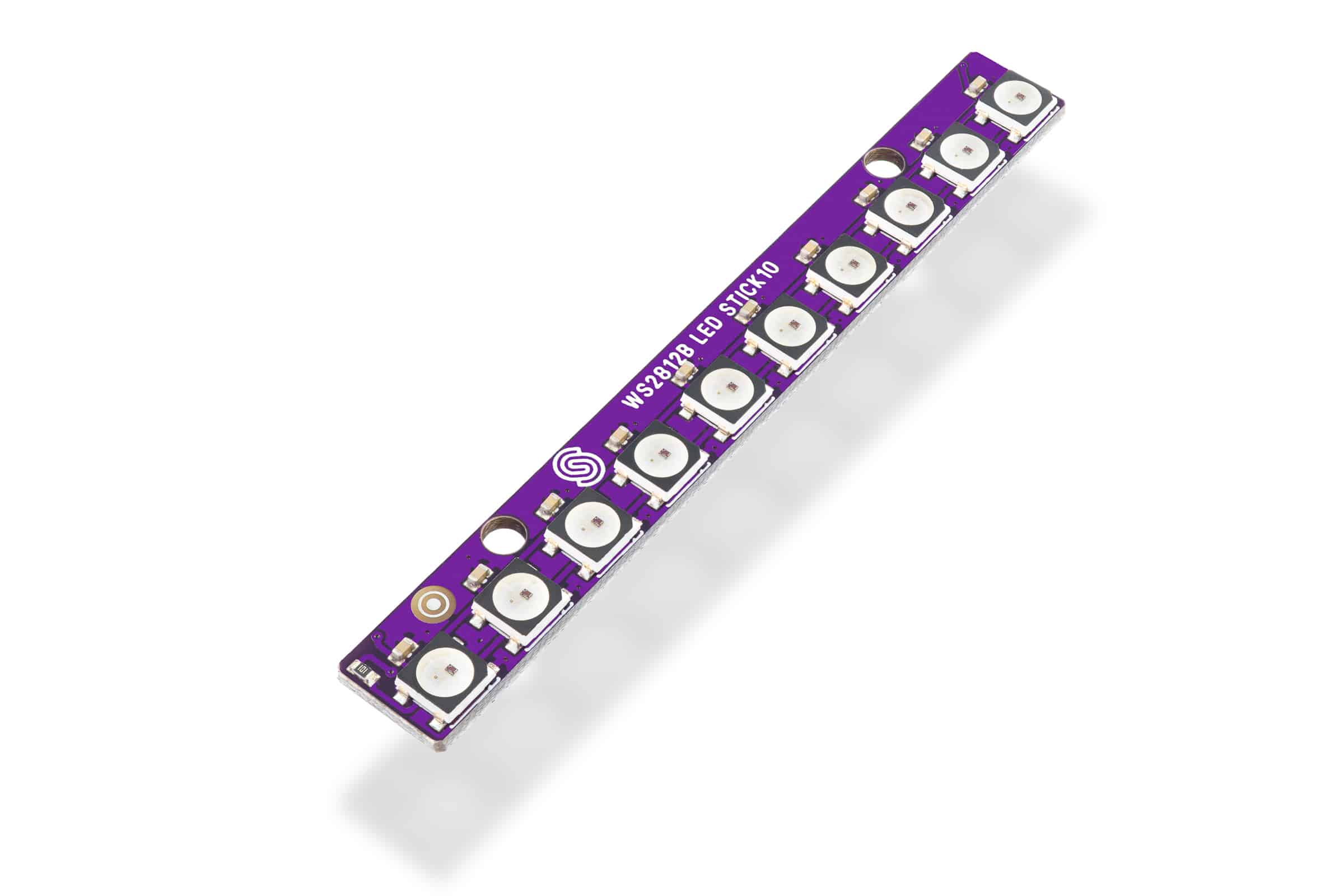
Smart LED WS2812B Stick10
WS2812B is an extremely interesting LED that can emit light in red, green or blue – or any combination of these three colors, able to show a total of approximately 16 million different colors. On this board, diodes are arranged in a line of 10. You can even connect these sticks in a line. They are controlled by a single pin with only a few lines of code from Arduino IDE. That’s possible thanks to the integrated controller inside the LED itself!
• Number of LEDs: 10
• Voltage: 5V
• LED type: WS2812B
• Current: max 60mA per LED
• Dimensions: 80 x 10 mm
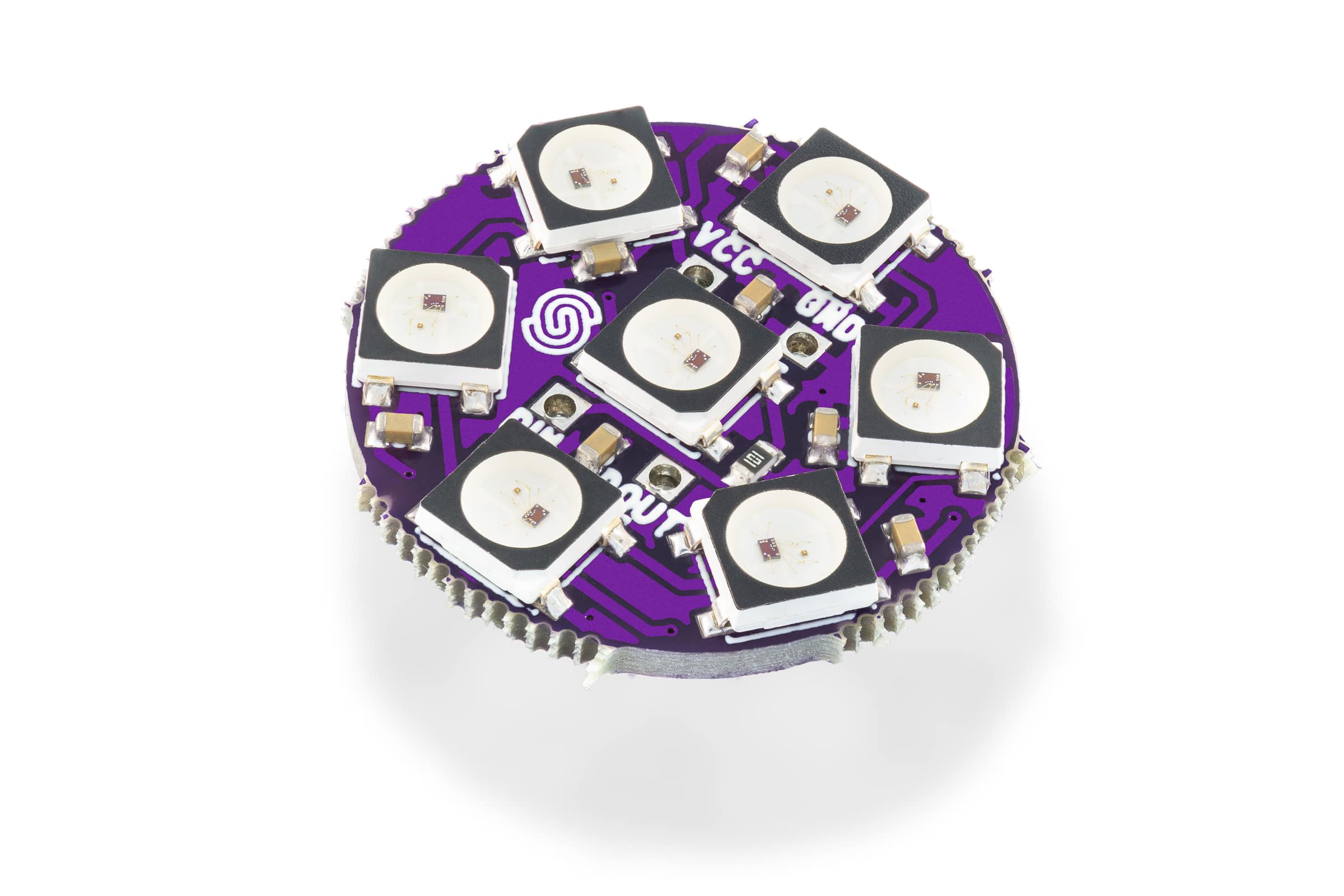
Smart LED WS2812B Ring7
The Smart LED WS2812B Ring7 is a compact 23 mm round PCB with seven individually addressable WS2812B RGB LEDs, ideal for dynamic, vibrant lighting in microcontroller projects like wearables, small displays, or visual indicators. Each LED has an integrated controller, allowing the entire ring to be driven by a single digital pin on Arduino, Raspberry Pi, or similar platforms, simplifying wiring and programming.
Operating at 5 V, each LED draws ~18 mA, with a maximum current of 126 mA. The 24-bit WS2812B protocol enables over 16 million colors per pixel. Its small size and daisy-chainable design allow multiple rings to be combined for larger arrays without extra control complexity.
Perfect for status indicators, miniature displays, or creative lighting effects, the Ring7 is compatible with popular LED libraries for chasing lights, fades, and reactive animations. Its compact, robust design makes it a versatile choice for hobbyists and professionals alike.
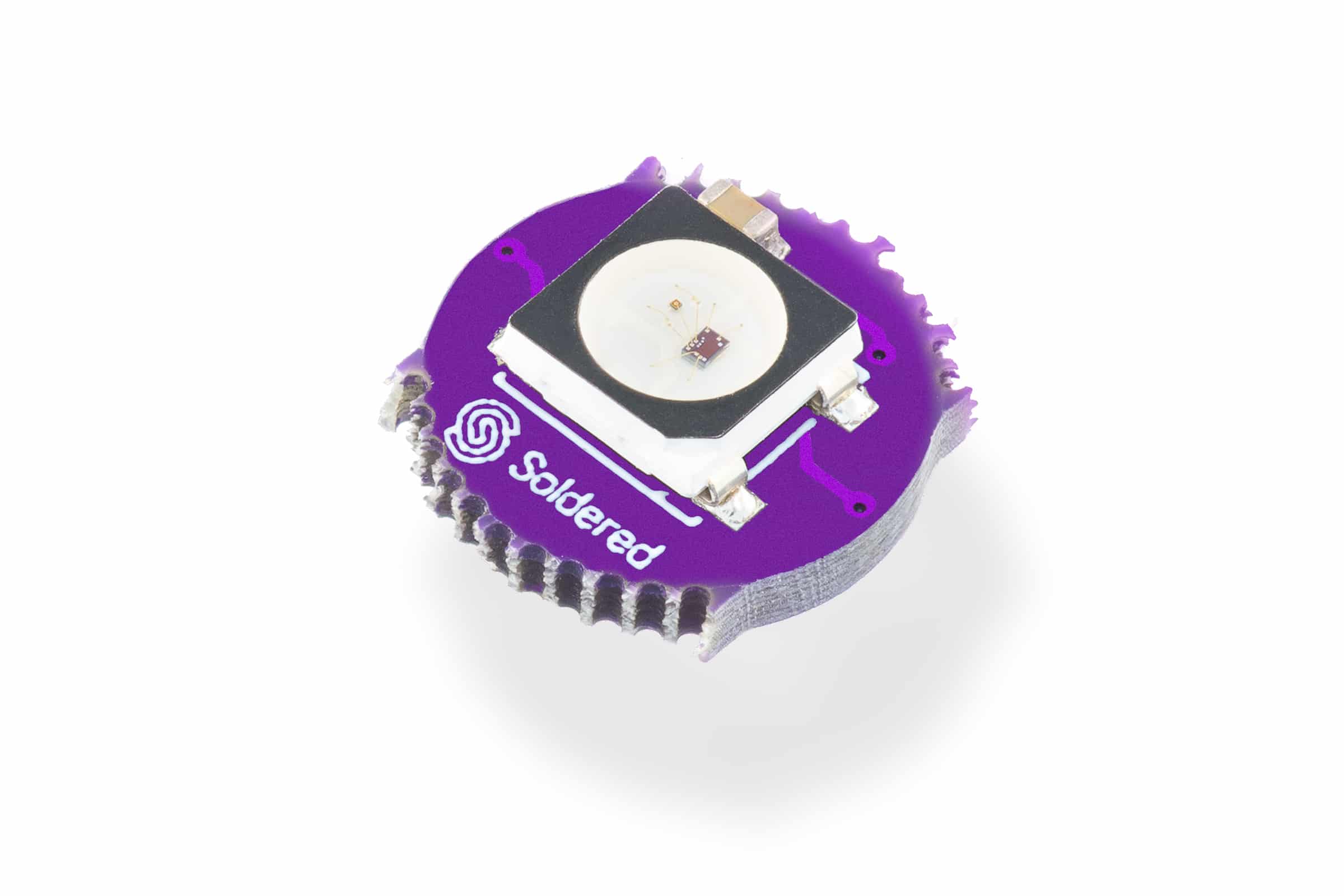
Smart LED WS2812B Pixel
These small LEDs are not just ordinary lights – each is unique because it has a built-in small integrated circuit (IC) that is able to turn on the LED light in 16 million different colors. IC is WS2812 and it uses a single wire that can control thousands of these LEDs. With a little imagination by putting these pixels, you get superior effects with a minimum effort. These lamps are easy to control with Dasduino.

Display OLED I2C 0.96" SSD1306
Looking to add visuals to your Arduino projects? The I2C OLED breakout board is perfect for that. Because of its high contrast, you will be in awe of its crispness! The display is made from hundreds of LEDs, each representing one pixel in a 128×64 grid. Thus, it doesn’t need any backlight, and it needs less power than the classic LCD screens. That’s 8192 pixels all individually lit at your fingertips!
The design is 5V ready with an onboard regulator, so is compatible with any 3.3V board. The breakout board uses only about 20 mA, depending on active pixels. It is easy to control over the I2C interface. It is even easier to connect with the easyC system – no soldering required!
Display OLED I2C 0.96″ SSD1306 options:
The color of the OLED screen on the product can be:
– White
– Blue
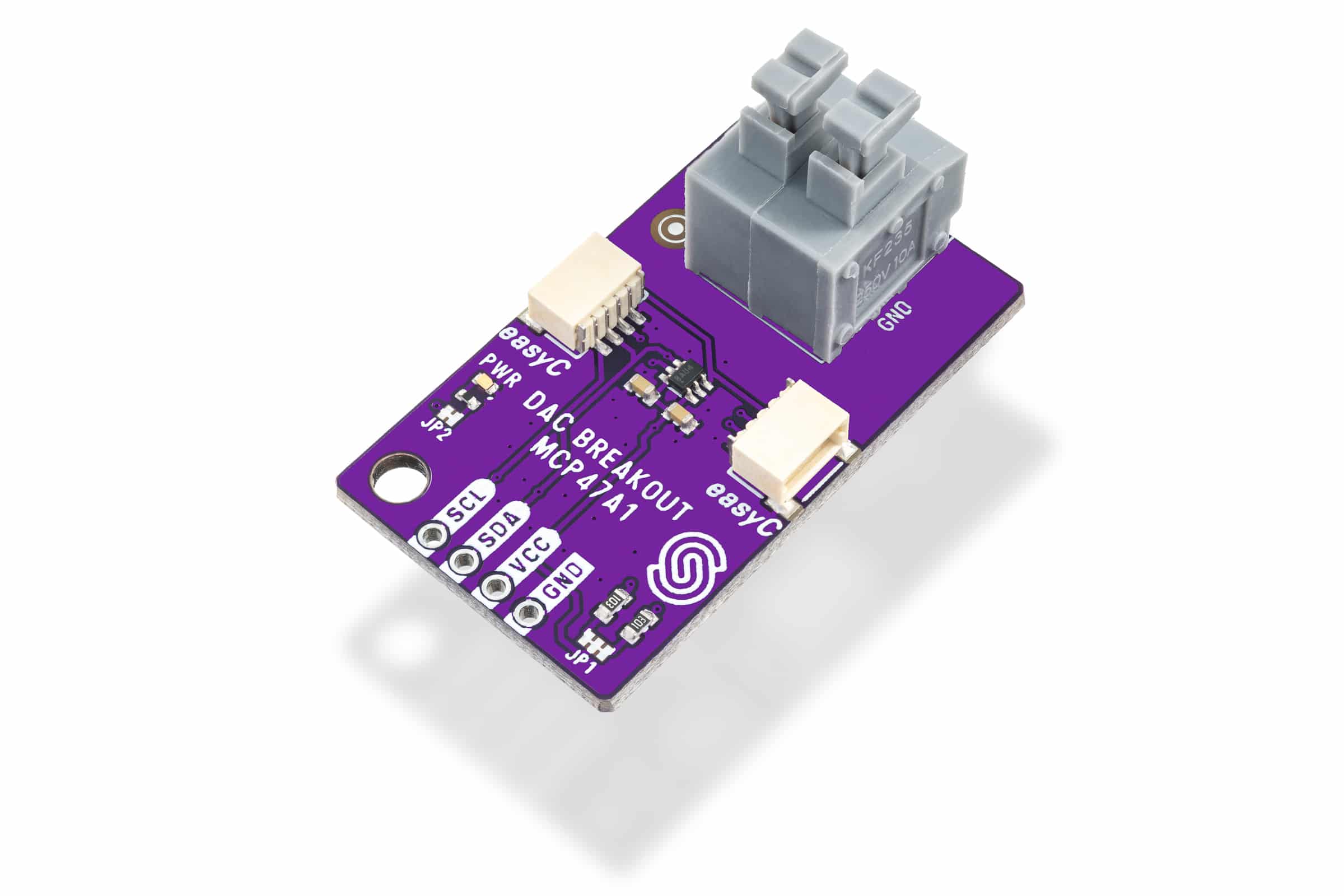
DAC 6-bit 1-channel MCP47A1 breakout
The DAC 6-bit 1-channel MCP47A1 breakout is a compact solution for adding precise analog output to microcontrollers and embedded systems. Featuring the Microchip MCP47A1, this single-channel DAC provides 6-bit resolution (64 steps) for accurate voltage generation, ideal for LED dimming, motor control, sensor calibration, and waveform generation.
Operating from 1.8V to 5.5V, it supports both 3.3V and 5V logic, and communicates via a simple I²C interface for easy two-wire control. Its small footprint and minimal external components make it perfect for space-constrained or battery-powered projects.
With a Qwiic (formerly easyC) connector, setup is quick and solder-free, ensuring reliable, tool-less integration. This breakout is ideal for hobbyists and engineers looking for precise, efficient analog control in compact designs.
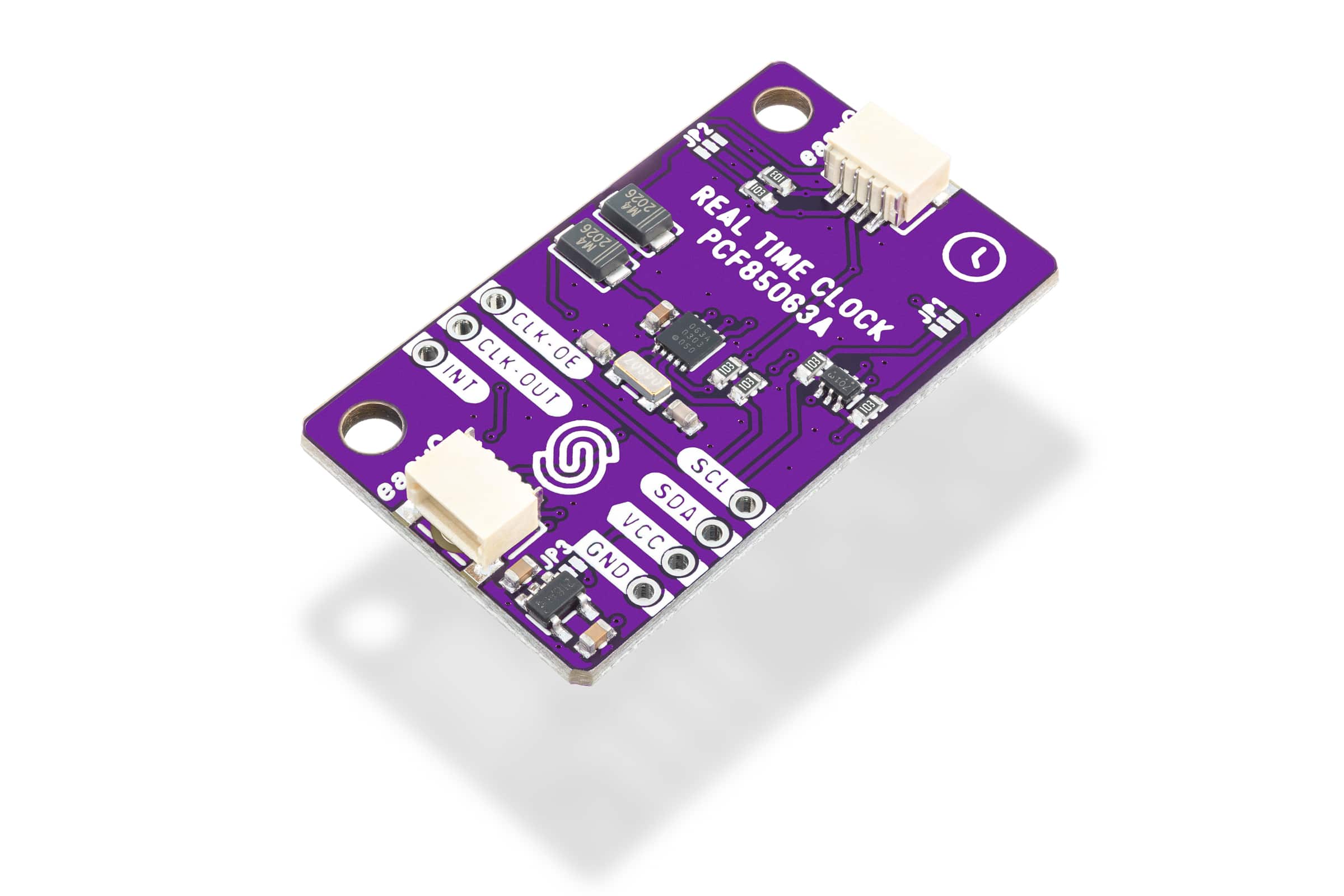
Real time clock RTC PCF85063A breakout
RTC (Real Time Clock) is a device that carefully and precisely tracks time and dates. It is extremely precise, so it is more suitable for long-term time tracking than clocks on microcontrollers. This breakout can work with an extremely low current and thanks to the alarm feature and interrupt pin, it will allow a microcontroller to enter sleep mode until its awaken by this RTC.
It has a built-in battery holder (battery not included) and even if power is lost, real-time tracking won’t be affected.
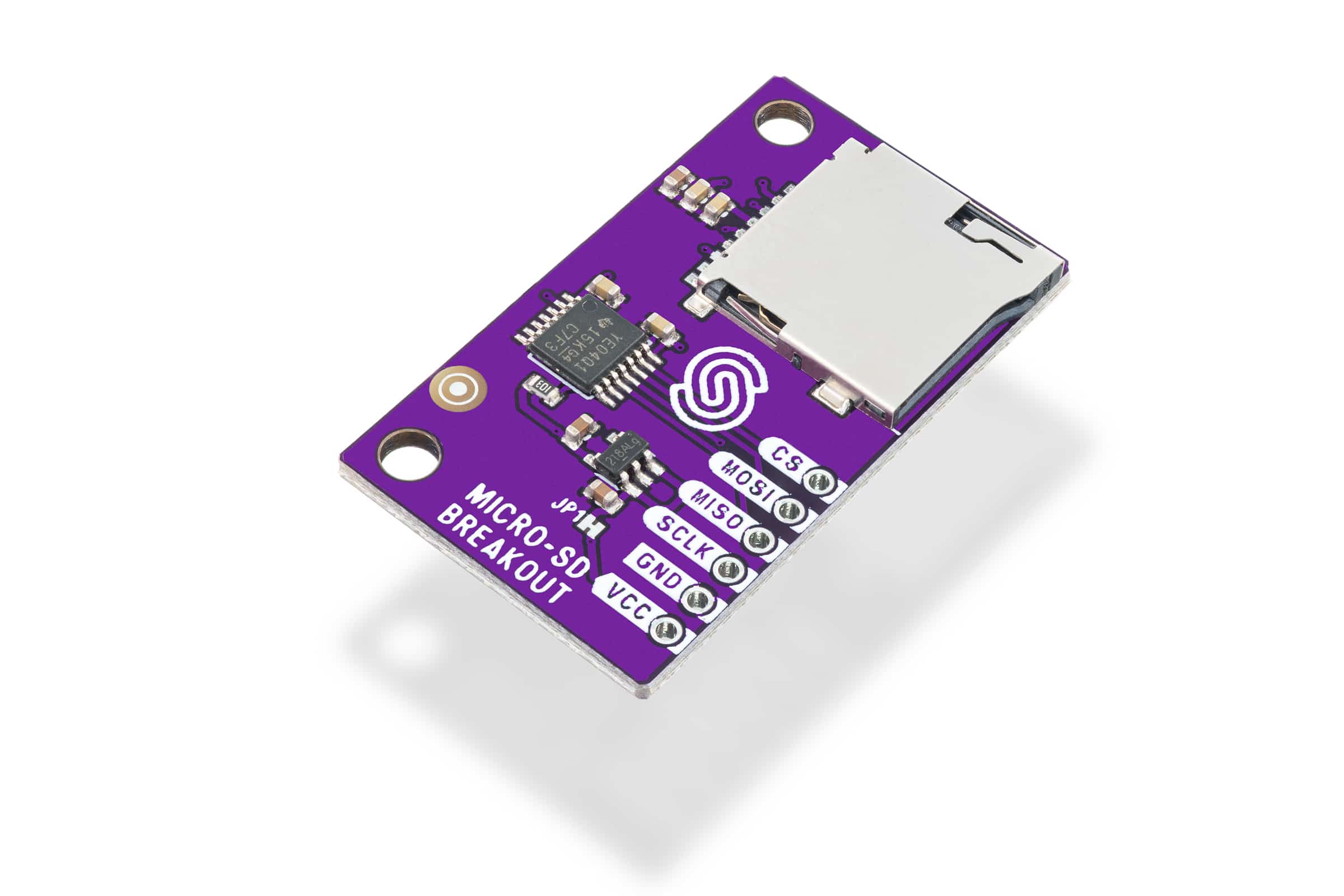
microSD card reader breakout
A module which enables the use of micro SD cards with Arduino via SPI communication. You can save various types of data on the SD card, create logs, read the information from it or perform various actions.
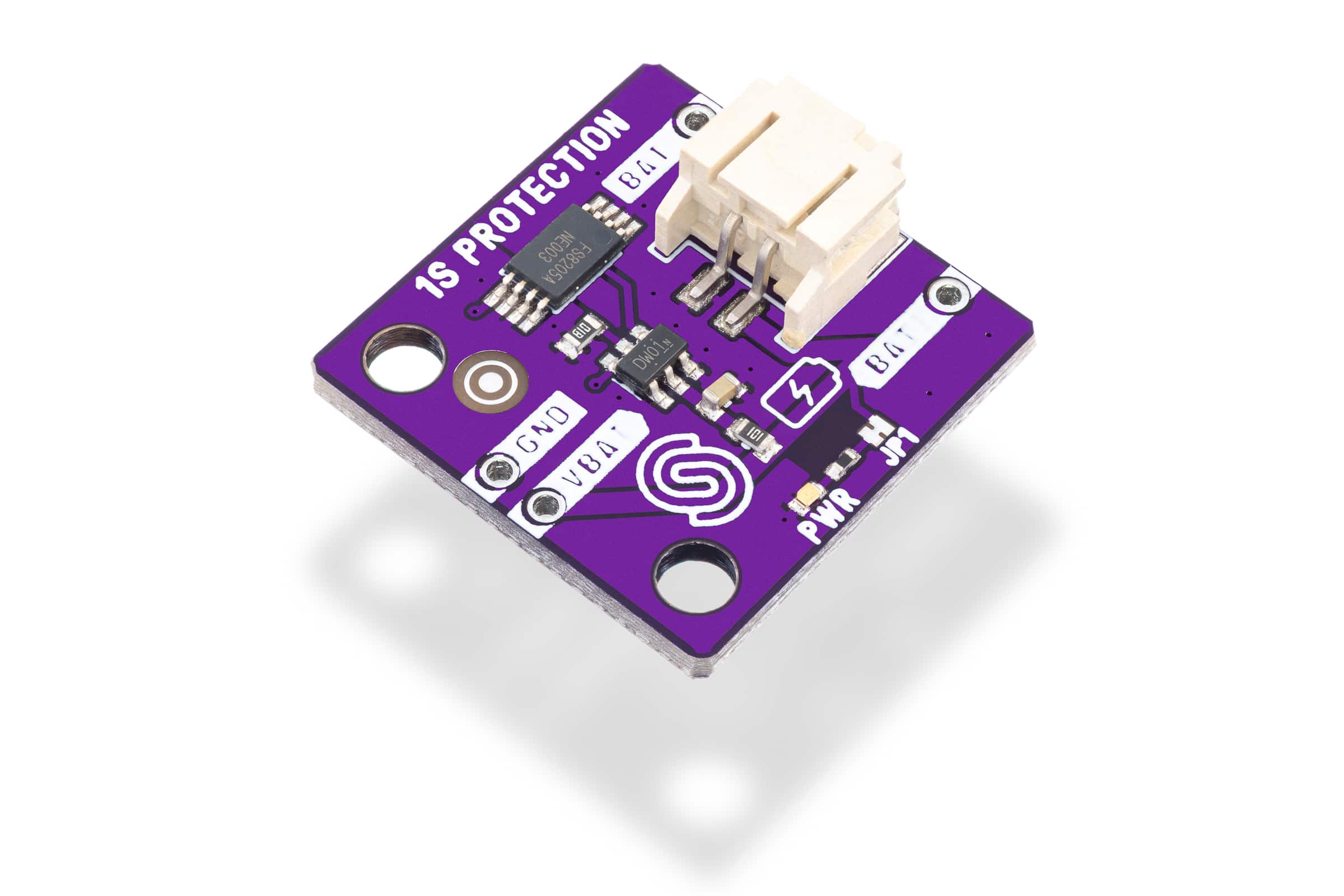
1S Li-Ion battery protection
A battery protector is, simply put, a device that makes sure that something bad doesn’t happen to the battery. This small circuit board protects your lithium battery (of any capacity) from overcharge, overdischarge, overcurrent and short circuit. It has a JST connector for connecting the battery, and the battery can be directly soldered.
• Protects from: undervoltage, overvoltage, overcurrent, short-circuit current
• Protection IC: DW01
• Battery configuration: 1S1P (1-serial, 1-parallel)
• Battery type: Li-ion, Li-poly
• Dimensions: 22 x 22mm
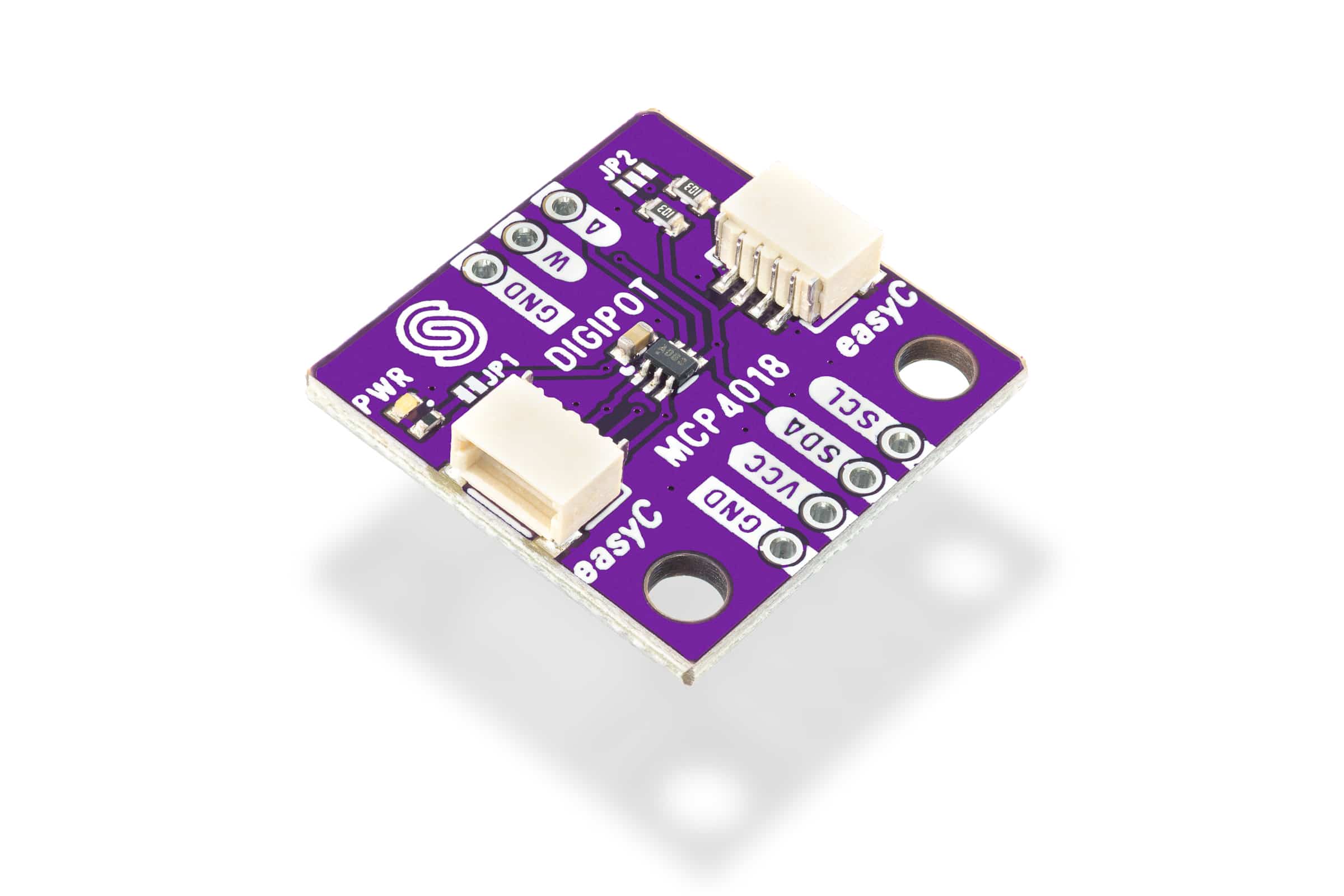
Digipot 5k MCP4018 breakout
A digital potentiometer is a device identical to a potentiometer, except that instead of a physical rotating part that adjusts the resistance, it uses digital communication. Namely, the resistance of the digital potentiometer is adjusted via I2C communication.
Our module is based on the MCP4018 IC which has a total of 128 steps between 0 and 5k resistance values. This would mean that it is capable of doing resistance steps of approximately 39ohms. It is controlled via I2C which makes it extremely easy to use.
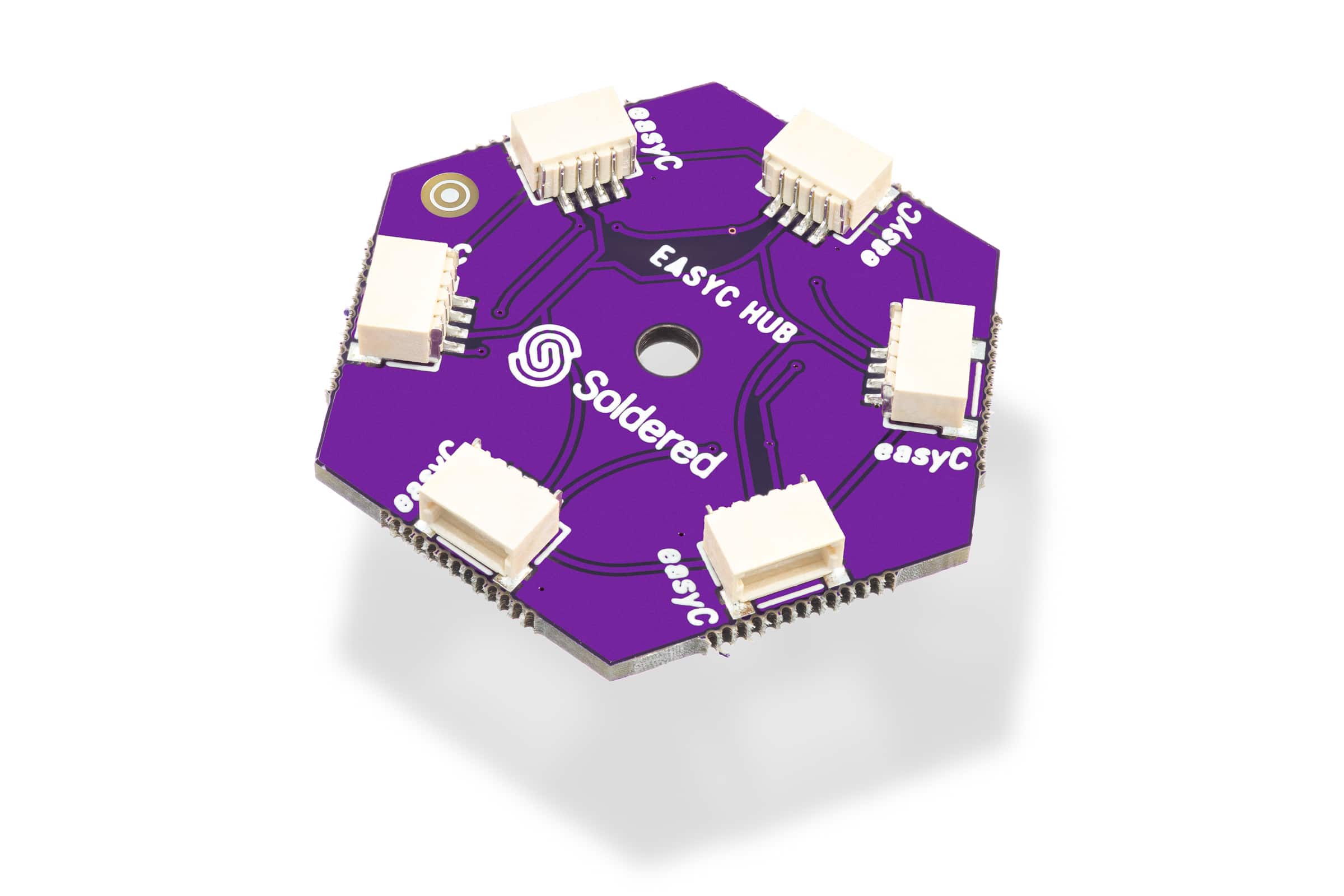
easyC Hub
We made the easyC system for faster prototyping and easy connection between the components. However, some of the components have only one easyC port or you just want your cable managmenet made better. What to do in those cases? The easyC hub comes to the rescue! It has six connectors so you can easily expand your circuit. It’s as simple of a device as it can get.
Product usage tips:
You can connect easyC devices to the hub like you would to any other easyC device. Just plug the preferred easyC cable into the hub and a device you’re working with. That’s all there is to it.
You should avoid working with the hub in wet environments to ensure it lasts a long time. Be sure to watch the operating voltage of your circuit. Since the hub works on 3.3V, higher voltages can burn it and render it useless. There is a hole in the middle of the board so it can be secured to any surface.
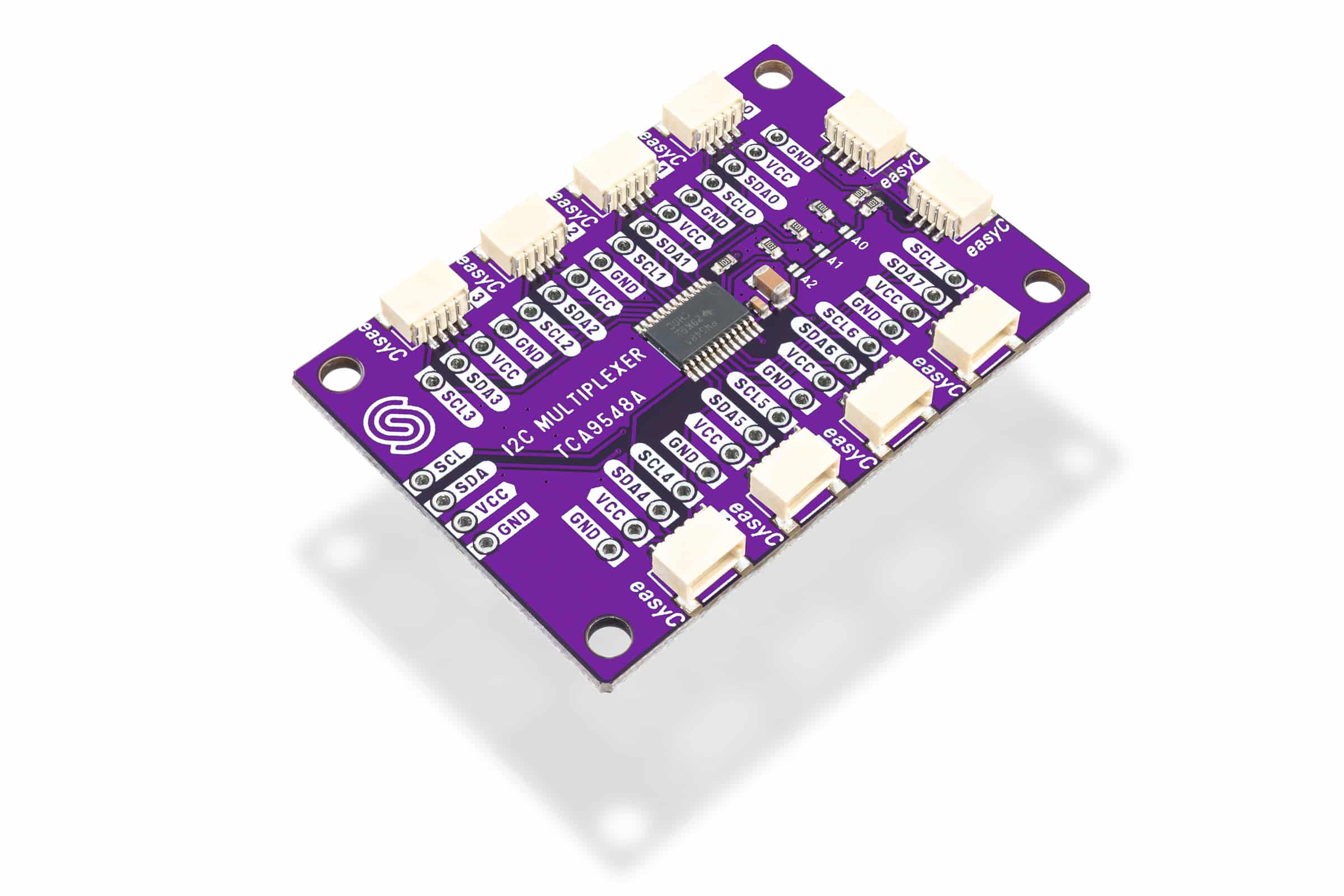
I2C multiplexer TCA9548A breakout
Ever needed to connect two peripherals with the same I2C address to the same microcontroller? This module allows you to seamlessly connect up to eight I2C devices with identical addresses.. Using the TCA9548A IC, our breakout board provides flexibility, enabling control of up to 64 devices on the same I2C bus. This means you can integrate numerous sensors, such as 64 BME680s (because why not?), all managed by just one microcontroller, simplifying complex setups and expanding your possibilities.
Beyond its core capabilities, the TCA9548A breakout is engineered for compatibility and ease of use, especially within the Qwiic ecosystem. This adapter is convenient for makers and engineers looking for rapid prototyping solutions without the intricate wiring. Its broad voltage compatibility (1.65V – 5.5V) ensures integration with a wide range of microcontrollers, including Arduino and NULA boards, making it an addition to any electronics workbench. With its compact dimensions and clear pinout, integrating this multiplexer into your existing or new projects is easy and efficient.
This I2C multiplexer is designed and manufactured in the EU, guaranteeing great performance and durability. We offer documentation, quick start guides and dedicated technical support to ensure your success, including our open-source community. Choose our TCA9548A breakout for a high-performance solution that empowers your innovative projects with I2C communication capabilities.
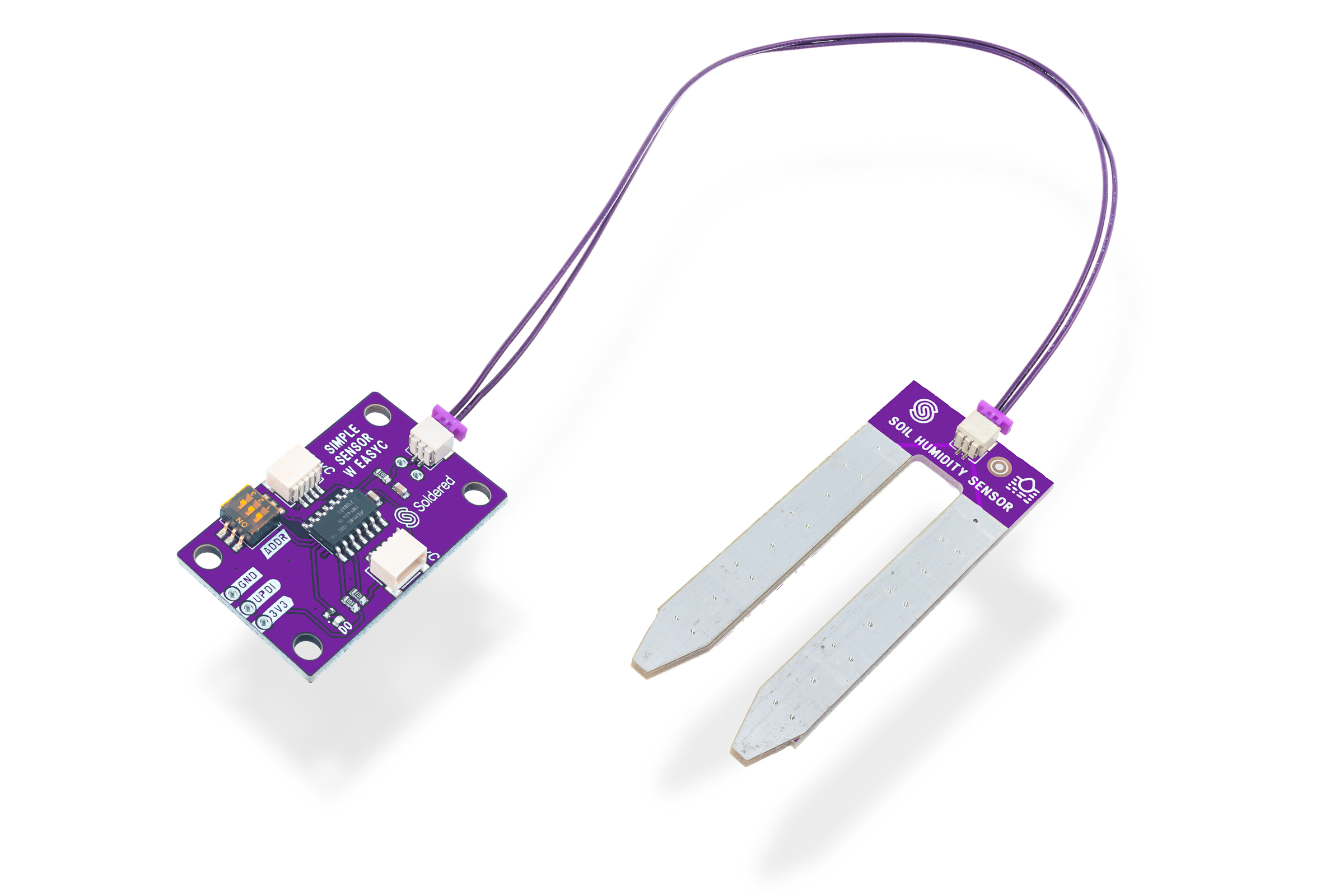
Simple soil humidity sensor board with easyC
How many times have you watered your plants and feared you overdid it? With a simple soil moisture sensor, these worries are a thing of the past! This two-part sensor is easy to use. Two exposed prongs go into the soil and send moisture information to the sensor via a connected wire. The more water there is in the ground, the better the results will be.
The two parts are connected with the included JST-SH 2-pin cable. The simple sensor has easyC connectors on it, which enables quick and easy connection with Dasduino microcontroller boards.
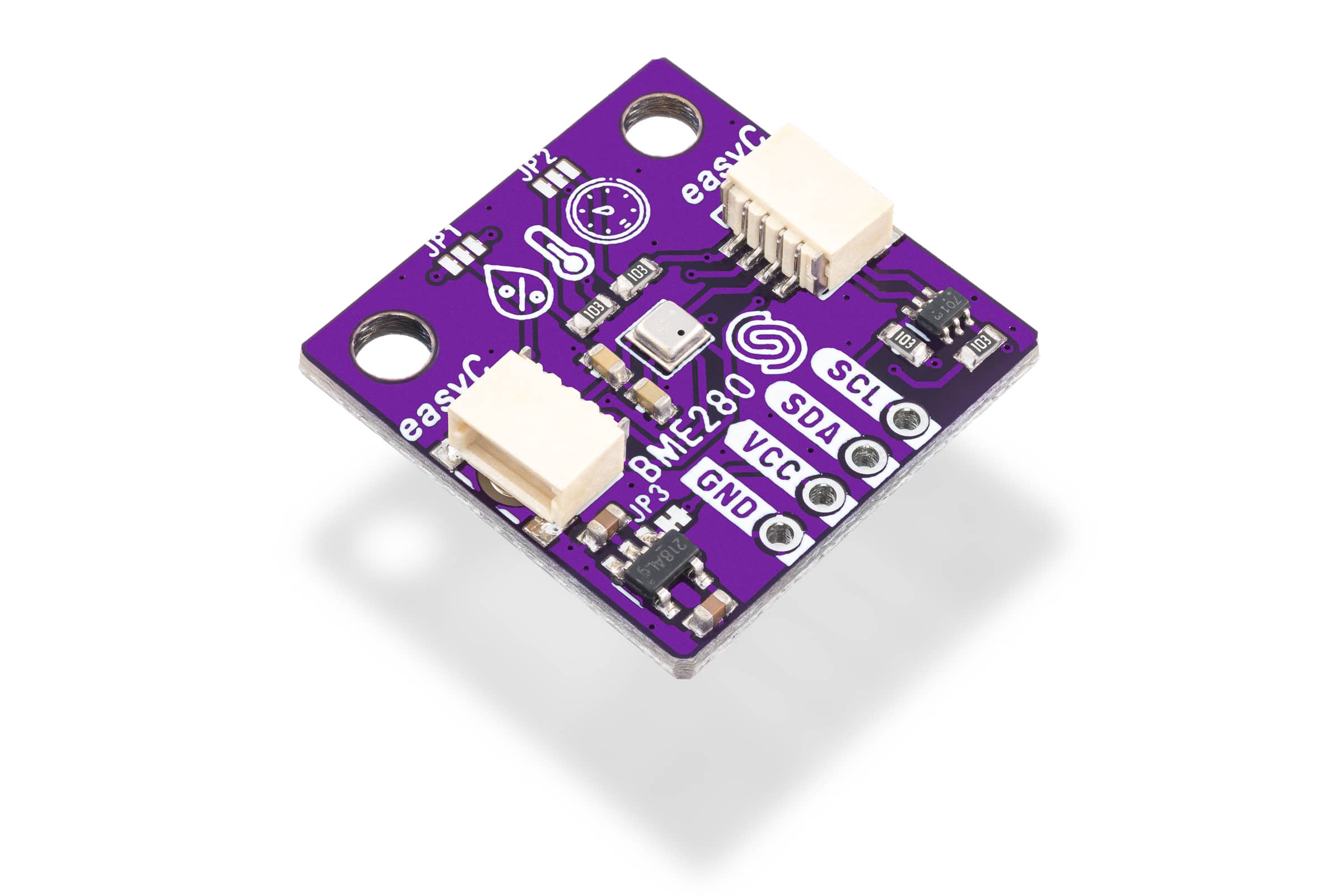
Enviromental sensor BME280 breakout
BME280 is an atmospheric sensor which measures 3 values: temperature, pressure, and humidity. Additionally, it is possible to calculate elevation. It is simple to use since it communicates via I2C and it is extra small sized so it can be put anywhere. Everything you need to know about the atmospheric condition – this sensor can measure for you; just ideal for meteorological station projects! This board comes with two easyC connectors, providing easy connections.
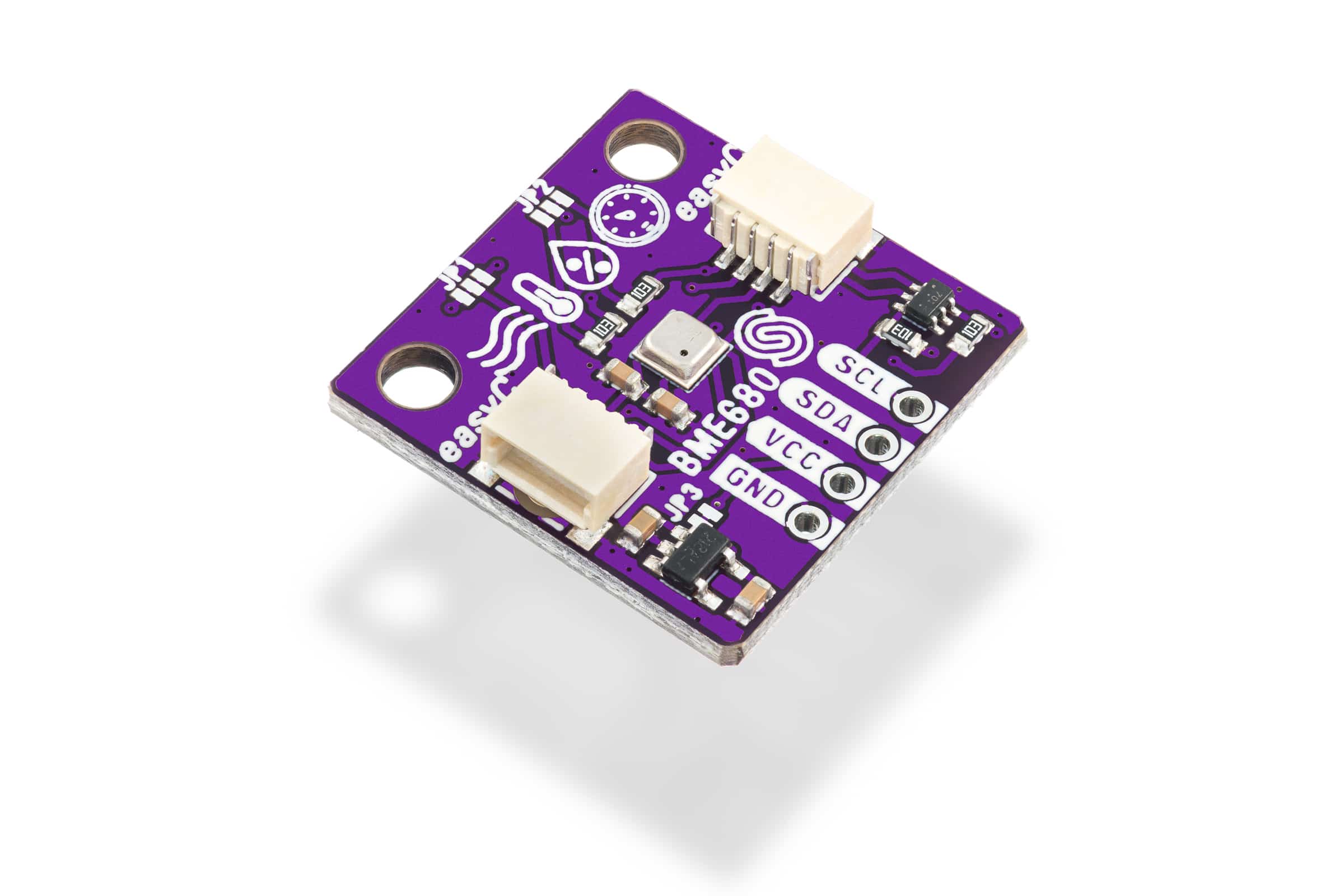
Enviromental & air quality sensor BME680 breakout
The BME680 is an atmospheric sensor that measures four values: temperature, pressure, humidity and air quality as an IAQ index. Using that data can calculate elevation. It is really simple to use considering that it’s using I2C communication protocol and its dimensions are really small so it can fit anywhere. Everything you need to know about the atmospheric conditions and the quality of the air – you can find out using this sensor (ideal for weather station projects!) This board comes with two easyC connectors, providing easy connection to other products.
11 years in the industry
Customers in 80+ countries
20,000+ satisfied customers